

Publisher's Section
The 2025 Responsible 100
New Yorkers who are making the world a better place.
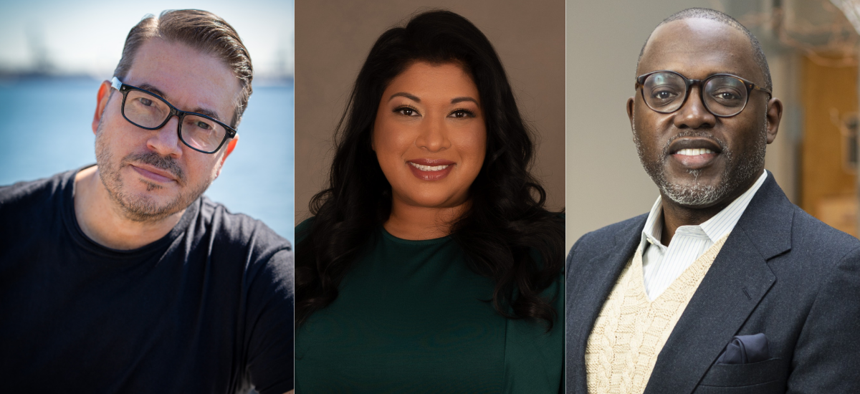
City & State presents the 2025 Responsible 100. Dam+West Media; Tina Burke Photography; Goddard Riverside



Affordable housing developers who provide shelter for the most vulnerable New Yorkers. Executives at world-famous companies – Google, Airbnb, T-Mobile – who are focused on matters other than maximizing profits. New York government staffers who are quietly keeping government running, holding public officials accountable or helping high school graduates pay for college.
What unites these leaders is a shared commitment to making the world a better place. Every December, City & State recognizes 100 such individuals who exemplify what it means to be socially responsible – through community engagement and volunteerism, ethics and transparency, philanthropy and charity as well as diversity, equity and inclusion. The list features entrepreneurs, mental health experts, advocates for working-class New Yorkers – and many more.
We asked each honoree a few questions: What is your job and why do you enjoy it? What does social responsibility mean and how do you achieve it? What’s the best advice you’ve ever heard? We’re sharing their edited responses in order to recognize each honoree in their own words.
Read through this year’s class, who will be honored at a midday reception in midtown Manhattan on Dec. 17, and you’ll discover they have plenty of wisdom to impart. We’re pleased to introduce The 2025 Responsible 100.

Amy Agars

Job description: I oversee strategic initiatives, manage client relationships and ensure smooth day-to-day operations. I coordinate fundraising initiatives, handle internal and external compliance, monitor legislative developments and support my team that is dedicated to influencing policy. Over the 11 years I have been with Cordo & Co., I have been grateful to be in this position because it combines my passion for strategic thinking, constant professional and social interactions, leadership and the opportunity to be a part of those that make a tangible difference. The dynamic environment and the ability to champion causes you believe in make my work both fulfilling and different every day.
Defining social responsibility: Social responsibility means being conscious of how my actions impact others. It involves acting with integrity and supporting initiatives that benefit my colleagues and company. In the workplace, I apply social responsibility every day by respecting and supporting my colleagues and creating a safe, productive, family-like environment. I also contribute to my organization’s community outreach efforts and encourage teamwork. Overall, I believe being socially responsible creates a healthier, more inclusive environment where everyone can thrive.
Best advice: You can’t control others, you can only control yourself.
Steven Alessio
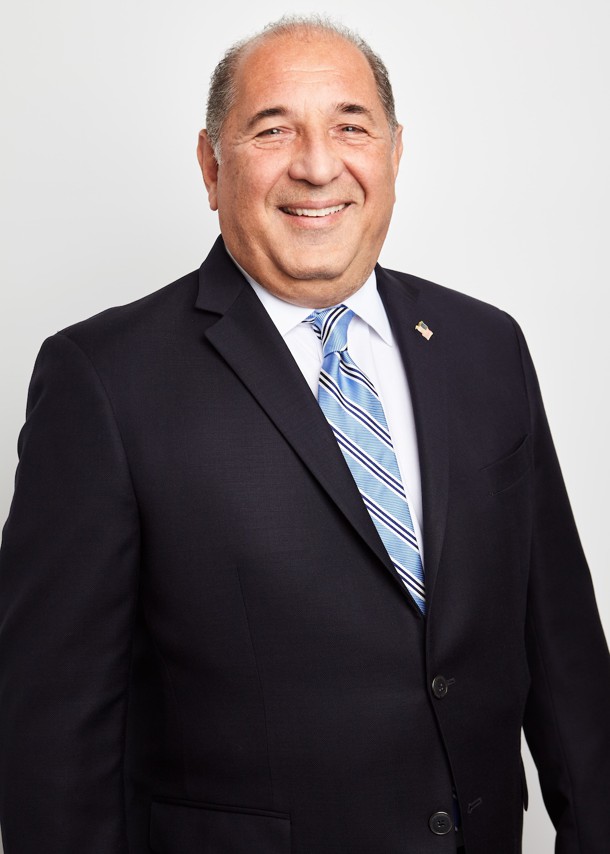
Job description: As president of Sweet Group, I oversee all aspects of our construction operations, from strategic planning and project execution to fostering strong client and community relationships. What I enjoy most is building more than just structures; we’re building opportunities for our teams, partners and neighborhoods. Seeing a project go from vision to reality, knowing it creates lasting impact, is what keeps me motivated every day.
Defining social responsibility: To me, social responsibility means using our platform to create positive change, for our people, our communities and the environment. At Sweet Group, we prioritize local hiring, support MWBE partnerships and focus on working with diverse, community-based subcontractors. We’re also deeply committed to safe, sustainable building practices that improve the neighborhoods we work in for generations to come.
Best advice: The best advice I ever received was to lead by example, never ask someone to do something you wouldn’t do yourself. That principle has shaped my approach to leadership and teamwork. In construction, integrity, respect and accountability are everything. By showing up, staying humble and keeping your word, you not only earn trust but also inspire others to do their best work.
Connie Sue Alexander
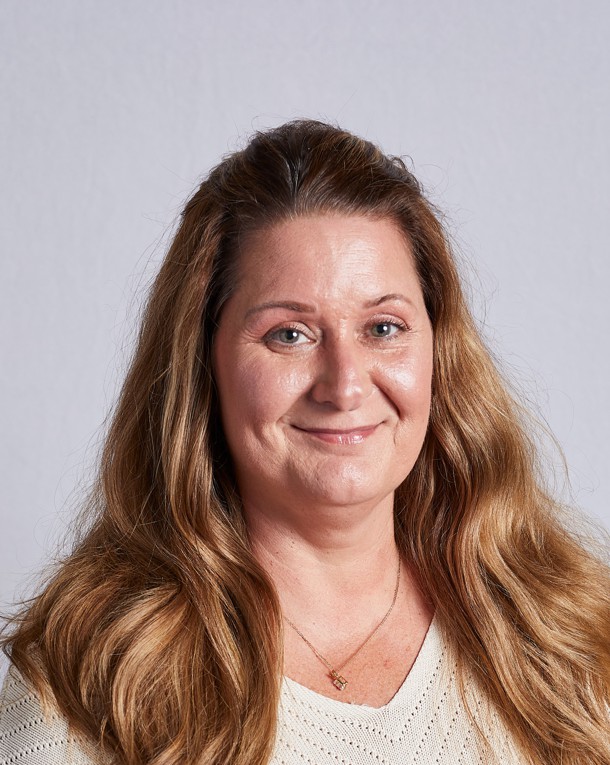
Job description: I oversee the Hospice Program for the Visiting Nurse (Service) & Hospice of Suffolk, where we provide compassionate care to both home-based hospice patients and those requiring a general inpatient level of hospice care. Our mission is to deliver the highest quality of care with empathy, dignity and kindness – for our patients and their families alike. Hospice care treats the family as a unit, supporting them as they navigate the end-of-life journey together. What I honor and appreciate most about my work is the profound trust families place in me and in my colleagues during this deeply personal time.
Defining social responsibility: Social responsibility to me means treating all of those we come in contact with with dignity and respect. It means understanding that each of us brings a unique perspective and understanding from past experiences to each situation. It means sending grace to those that we don’t understand and it means lending a helping hand without having to be asked. Social responsibility means to refrain from judgment. Social responsibility simply means to act in kindness even where there is lack of understanding.
Best advice: The best advice I have ever received was from my maternal grandmother. She told me to never judge a book by its cover. She was also a nurse and experienced all kinds of situations and people. She learned to care for everyone equally regardless of their differences.
Na’ilah Amaru
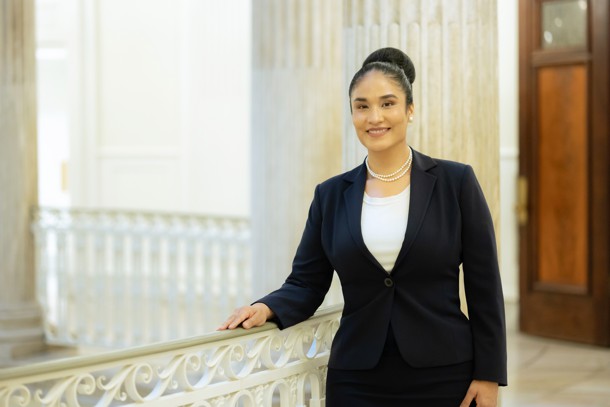
Job description: My work centers on building collective power among organizers, advocates and everyday people driving systemic social change. Through coalition-building, campaign strategy and policy advocacy, I drive alignment across people and organizations to move agendas, share resources and influence decisions that shape policy and practice. The work is deeply rewarding because it turns lived experience into leadership and impact, creating space for communities to build grassroots governing power.
Defining social responsibility: Social responsibility means using power and position to close the gap between intention and impact. It’s the daily work of aligning values with action and ensuring that strategies, partnerships and policies improve the material conditions of people’s lives, not just rhetoric. In my work, that means holding systems accountable and creating spaces where impacted communities shape solutions. True social responsibility isn’t charity or optics; it’s a commitment to justice, accountability and collective action that makes governing systems more responsive, equitable and rooted in the public good.
Best advice: I hold a few truths that guide how I move through the world and do the work. Don’t confuse visibility with impact; let the work speak louder than the spotlight. Never mistake access for influence. Think in decades, act in days. Don’t just win campaigns, change the conditions that make them necessary. The military taught me that leadership isn’t rank, it’s responsibility.
Antoinette Anderson
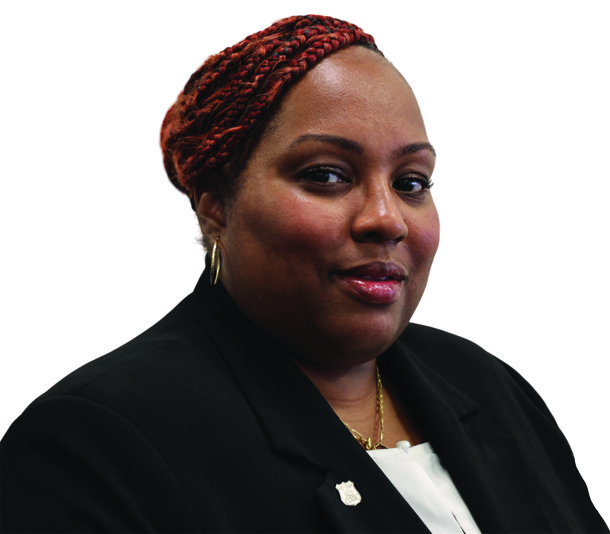
Job description: My role involves supporting members through advocacy, communication and coordination of union initiatives. I assist in organizing programs that protect officers’ rights, enhance workplace safety and strengthen community engagement. I also help represent members’ concerns during meetings with leadership and ensure transparency within our association. I enjoy this work because it allows me to make a meaningful difference in the lives of correction officers and their families. Being a voice for those who serve daily with courage and integrity gives me pride and purpose in my leadership role.
Defining social responsibility: To me, social responsibility means doing what’s right for others, not just what benefits me. It’s about caring for the people I represent and making decisions that create a positive impact. In my work as third vice president of the Correction Officers’ Benevolent Association, I show social responsibility by standing up for fairness, improving workplace safety and supporting the well-being of our officers and their families. I also believe in giving back and building trust between our members and the community. By leading with honesty, empathy and respect, I make sure my actions reflect responsibility and integrity every day.
Best advice: The best advice I ever received was to never forget where I came from and to always stay true to who I am, no matter how far I go in life. It reminded me that titles and positions don’t define character – actions do. That advice keeps me grounded and humble, especially in leadership. It taught me to listen more than I speak, treat people with respect and lead with heart instead of ego. Every time I face a tough situation, I think back to those words and remind myself that integrity and kindness will always take me the furthest.
Nina Bahazhevska
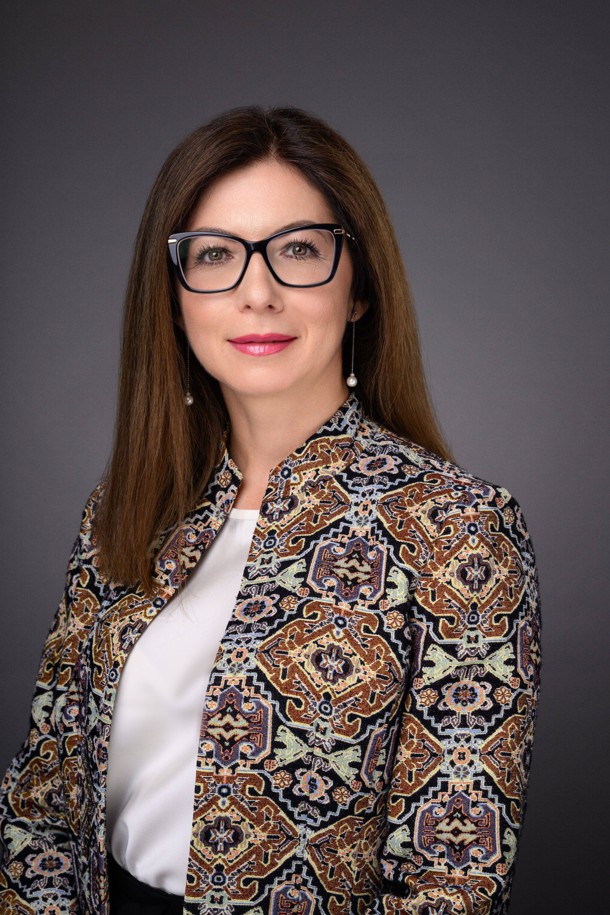
Job description: As an audit partner, I guide organizations through complex financial and compliance requirements, with a special focus on not-for-profits. My work involves advising leadership teams, supporting finance staff, ensuring the accuracy and transparency of financial reporting and helping organizations strengthen their internal processes. I also mentor and develop our team to make sure each engagement is approached with care, expertise and collaboration. What I enjoy most is knowing that my work helps mission-driven organizations operate confidently and sustainably. Many of my clients provide essential services to their communities – whether through youth programs, social services or neighborhood support. Being able to contribute to their stability and success is deeply fulfilling.
Defining social responsibility: To me, social responsibility means using my expertise to strengthen the organizations that strengthen our communities. It’s about understanding the real-life impact behind the numbers and making sure that the systems supporting those missions are sound, transparent and accountable. I achieve this by working side by side with clients to help them navigate government funding, manage restricted contributions, enhance internal controls and improve financial reporting. I take care to explain complex requirements in a clear and practical way, so clients can make informed decisions and fulfill their missions more effectively. I also see social responsibility internally – developing staff, encouraging a supportive team culture and modeling integrity and empathy in every engagement.
Best advice: The best advice I ever received was: “Lead with empathy, and the results will follow.” In our field, it’s easy to focus solely on deadlines and technical standards, but I’ve learned that understanding people – their challenges, pressures and perspectives – leads to better solutions, stronger relationships and higher-quality work. When you meet people where they are, you create trust, and everything else becomes easier: the collaboration, the problem-solving and the shared success.
Linson Bailey
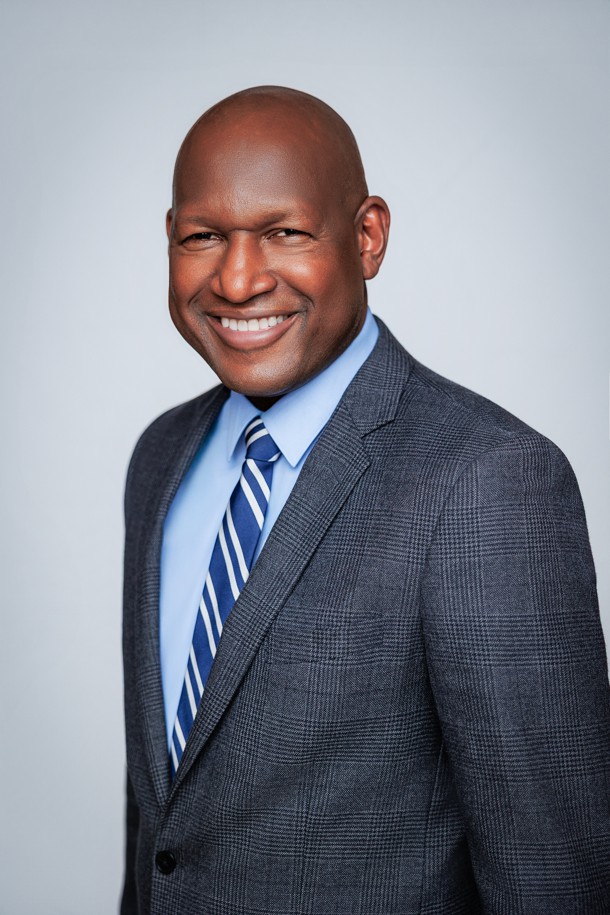
Job description: I lead a portfolio of innovative initiatives that bring Breaking Ground’s approach to street outreach into privately managed spaces and discrete geographic areas. In addition, my portfolio includes programs that provide intensive case management services to homeless individuals and that seek to remove barriers to speed up the move into permanent housing. Through contracts with state and corporate partners and consortiums, my teams work to discover people experiencing homelessness who have fallen through cracks in the system and get them connected to vital services and housing opportunities.
Defining social responsibility: Social responsibility means recognizing how the choices I make and the related actions impact others and then choosing to contribute positively to my community. I treat people with respect, communicate honestly and make decisions that consider fairness and long-term impact. In my work, I support collaboration, hold myself accountable and strive to create a positive environment where others feel valued and supported. I pride myself on the integrity that I bring to every interaction.
Best advice: The best advice I ever received is that life is about managing relationships. Over time, I’ve learned that success isn’t just determined by hard work or talent, but by how well you understand, communicate with and connect to the people around you. Whether it’s family, friends, colleagues or partners, every meaningful part of life requires care, empathy, patience and intention. When you manage relationships well, doors open, conflicts shrink and life becomes easier to navigate. That advice has shaped how I move through the world and continues to guide the way I show up for the people in my life.
Taisha Benjamin
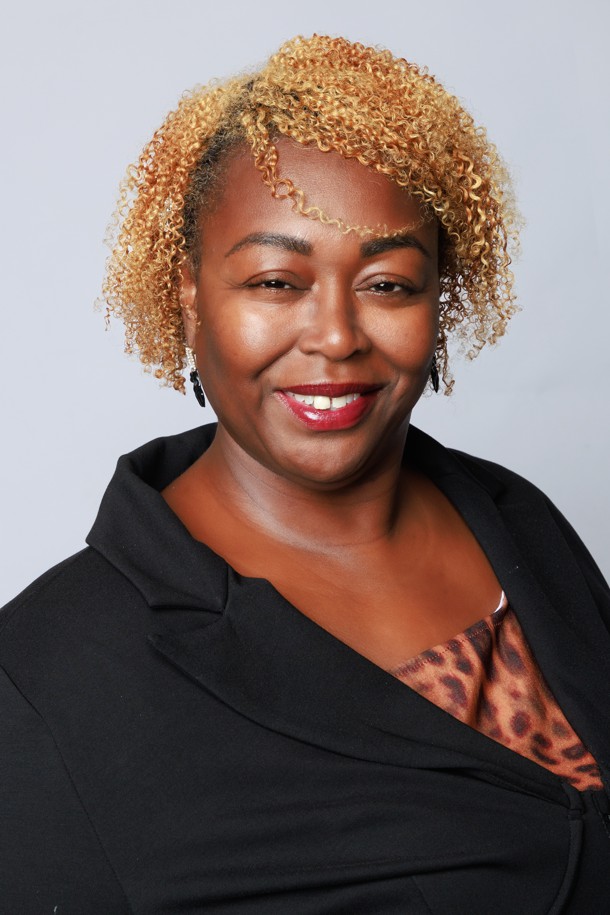
Job description: As chief medical officer and vice president of medical affairs at Community Healthcare Network, I provide strategic leadership and oversight for all clinical operations across our organization. With responsibility for over 200 direct reports, I lead our providers, nursing team, health education specialists and administrative staff to ensure high-quality, patient-centered care. I develop and implement clinical policies, drive quality improvement initiatives, ensure regulatory compliance and serve as the physician voice in executive decision-making. My role focuses on integrating clinical excellence with operational efficiency while fostering a culture of continuous learning and compassionate care delivery throughout our network.
Defining social responsibility: To me, social responsibility means actively addressing health inequities while delivering exceptional care to all community members regardless of socioeconomic status. In my role, I achieve this by embedding social determinants of health into our clinical pathways, expanding telehealth access for underserved populations and leading our health education team in culturally competent outreach programs. I ensure our 200-plus staff prioritize community wellness through mandatory implicit bias training, sliding scale fee structures and partnerships with local organizations addressing food insecurity and housing needs. By measuring outcomes through equity-focused quality metrics rather than just clinical indicators, we hold ourselves accountable to the communities we serve while advancing our mission of health for all.
Best advice: The best advice I ever received was from my mother: “Treat people with the dignity and respect you would want to receive.” This simple yet profound principle guides my leadership at Community Healthcare Network. I translate this value into action through empathetic leadership practices, equity-focused care models and a culture that prioritizes both patient and staff well-being. By embedding respect into our hiring standards, performance metrics and daily interactions, we've created an environment where clinical excellence grows naturally from human connection – proving that when we honor each person’s inherent worth, better health outcomes follow.
Lloyd C. Bishop
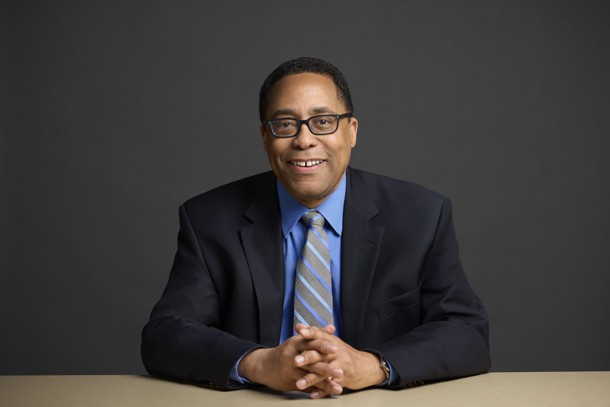
Job description: Greater New York Hospital Association is a trade association comprising nearly 280 not-for-profit hospitals, health systems and continuing care facilities in metropolitan New York, throughout New York state, and in New Jersey, Connecticut and Rhode Island. GNYHA provides advocacy, policy analysis and technical assistance to help member facilities serve their patients and communities. As executive director of GNYHA’s Center on Community Health Policy and Services, I lead best practice support to GNYHA members on community health improvement; the provision of access to care for all patients, including language and disability access; community violence prevention; and related program development.
Defining social responsibility: I believe social responsibility is a matter of ethics. Individuals and institutions should undertake activities to benefit society by helping communities and individuals to achieve optimal levels of success, including the opportunity to attain the highest levels of health. Working at GNYHA and serving mission-driven not-for-profit institutions provides me with the opportunity to contribute to this work.
Best advice: I’ll answer this question by drawing on a compilation of advice I received from my parents and grandparents, as well as long-term professional mentors I still have to this day: work hard, have grit, always tell the truth, give back and have some fun.
Shawn Blumberg
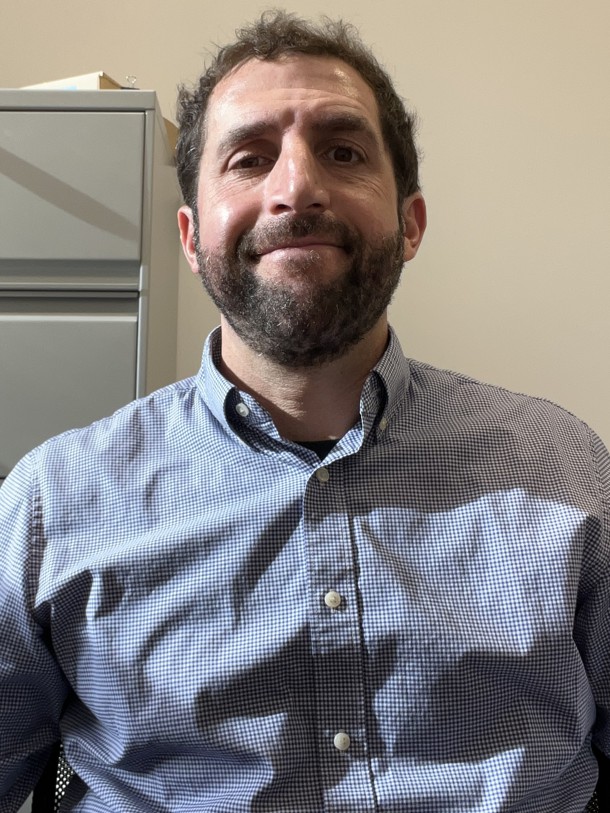
Job description: I represent immigrants in nondetained removal proceedings and applications for immigration benefits. The gravity of the situation for immigrants in New York City is almost beyond comprehension. As a result of this hyper immigration enforcement, this work has never been more complicated and the stakes at every phase of representation have never been higher. BDS is committed to giving our clients the highest-quality representation, which they deserve. There is still not enough funding to represent all the clients who need us. But I am grateful to be a part of the work of protecting immigrant New Yorkers in this moment.
Defining social responsibility: Social responsibility means defending our clients’ rights to dignity. They deserve to pursue a better life for themselves and their families as immigrant New Yorkers have throughout history. We achieve this by maintaining our commitment to defend our clients in the face of vast government resources. We also achieve this by advocating for funding necessary to meet the present dire need for legal representation. I am also proud of being part of a team that has worked hard to get information out to immigrant communities, including wehaverights.us, our free immigrant empowerment video campaign that is available online in eight languages.
Best advice: It’s what you do when no one is watching that makes you who you are.
Jeffrey Brenner
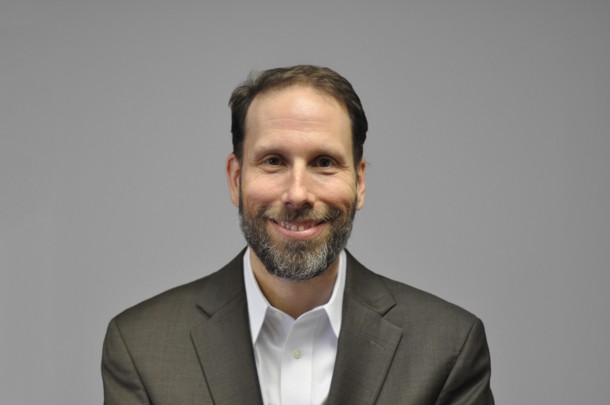
Job description: I run one of the largest mental health and social services agencies in New York state. I love the work because it impacts New Yorkers when they most need help.
Defining social responsibility: Social responsibility means we’re working to change the world one person at a time by delivering amazing behavioral health services to New Yorkers. We want to make sure that every client, every day, with every staff member in every location gets cutting-edge, high-quality, evidence-based care. That kind of consistency and discipline is very hard to achieve. It requires well-trained staff, data tracking systems, clear workflows and clinical pathways.
Best advice: Slow and steady wins the race.
Lorraine Breuer
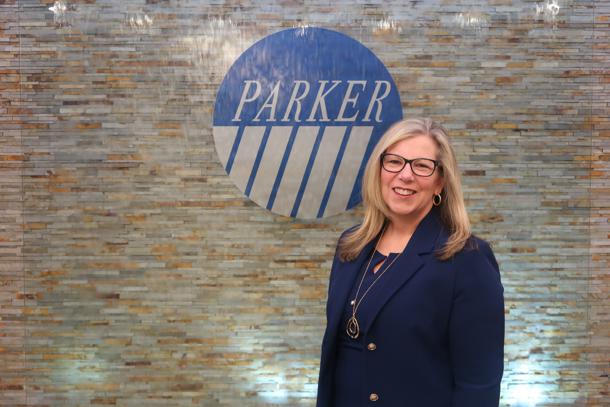
Job description: As senior vice president of the Nerken Center for Research and Grants, I oversee institutional research, grant development and direct community health programs, such as Hospice, Home Health Care, Parker at Your Door and the Willing Hearts, Helpful Hands caregiver initiative. I enjoy translating evidence into practice, securing resources that expand services and mentoring multidisciplinary teams to deliver compassionate, measurable improvements in care and quality of life for older adults.
Defining social responsibility: Social responsibility means using organizational expertise to ensure equitable access, dignity and high-quality care for vulnerable populations. I pursue this by designing evidence-based programs, securing public and private funding for workforce training and caregiver supports and implementing home-based innovations – telehealth and medical house calls – to reach homebound elders. I prioritize community partnerships and scalable solutions that reduce unnecessary hospitalizations, strengthen caregiver capacity and build sustained local health infrastructure.
Best advice: The best advice I ever received was to let mission guide every decision and to lead through service – always doing the right thing, even when it’s not the easiest path. This philosophy has shaped my approach to leadership, program development and grant stewardship throughout my career. I prioritize initiatives that meaningfully benefit patients and families, engage front-line staff in creating effective solutions and ensure transparency and accountability in every outcome. Leading with integrity and purpose ensures that each effort contributes to compassionate, ethical and measurable improvements in the quality of life for older adults and their caregivers.
Andrew Brunsden
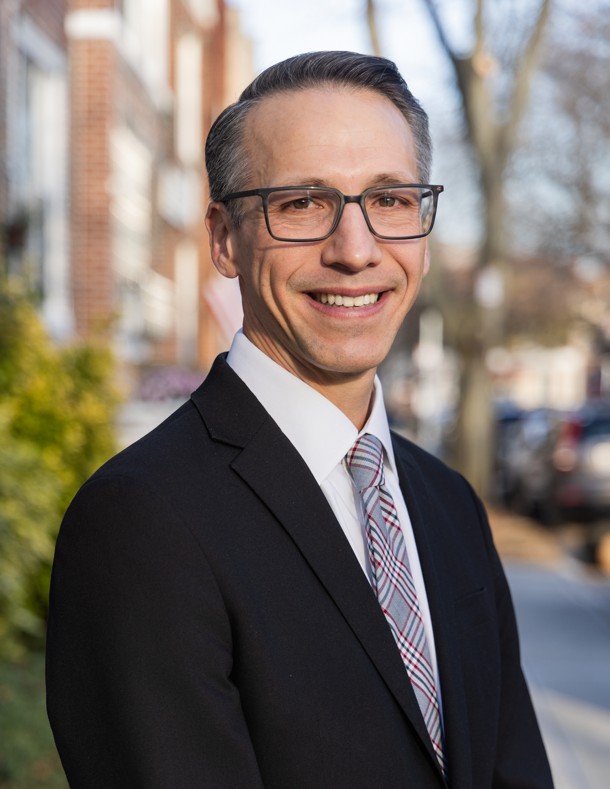
Job description: I am the chief legal officer for New York City government’s inspector general, responsible for advising on investigations, litigation, ethics, risk and operations, and navigating complex challenges essential to DOI’s promotion of honest and effective government. Working together with DOI’s extraordinary leadership team and staff, we share a passion and commitment to protect the city against corruption, fraud, waste and abuse. At a historic time when critical values of public trust are being threatened, I am proud of how DOI upholds the rule of law and makes government work better for all New Yorkers.
Defining social responsibility: Social responsibility requires institutions and individuals to promote the public interest. At DOI, I have pursued social responsibility by supervising a wide range of investigations, overseeing the agency’s legal work and providing guidance and leadership to advance our efforts to ensure integrity, transparency and accountability in government. Social responsibility also involves mentoring the next generation of public service leaders, which I have the privilege of doing at DOI and as an adjunct professor at New York Law School.
Best advice: Choose what you do based on where you determine that you can have the greatest positive impact on society.
Hewett Chiu
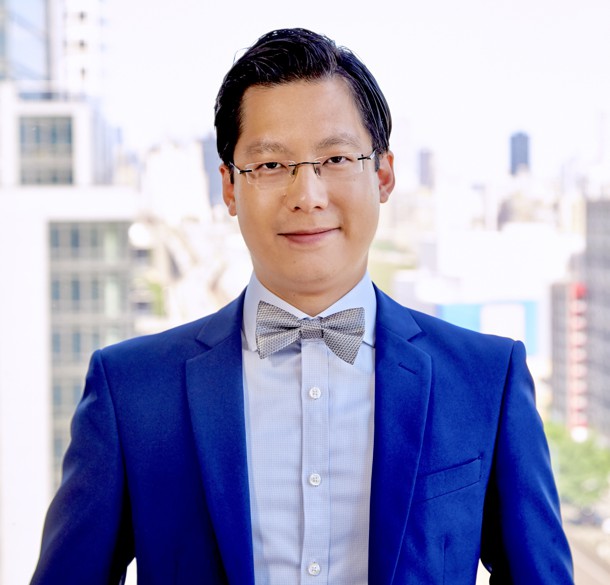
Job description: I focus every day on designing and implementing better health and social care for vulnerable and underserved communities through a multidisciplinary approach, and support a wide range of teams and organizations in doing so. From losing my mother suddenly to cancer at a young age and experiencing firsthand the fragmentation of health care for our immigrant communities, I knew we had to find a better way to bring clinical and social wellness together by creating a public health system where everyone can be treated just like how we would treat our own family and loved ones.
Defining social responsibility: Social responsibility is about advancing community centrism – the idea that our priorities, our decisions, our resources and our focuses are directed by and toward the needs of our community. At RaisingHealth, and across the public health system, we lead by those we serve. We listen to the members of our community who are receiving our care, who are affected by our policies, who are impacted by our actions. And we ask them to co-lead and co-design solutions with us, to make sure that what we’re putting in place addresses the very real needs of each pocket of society we serve.
Best advice: As much as we plan things out in advance, life never goes exactly according to plan. Sometimes, it’s about embracing the serendipity that we find ourselves in and the discomfort that comes along with it, while being true and uncompromising to our values. This ensures that as we adjust and adapt to meet the needs of the moment, we hold ourselves accountable to what matters, which for me is upholding the trust and integrity within our community.
Jaime Ciffone
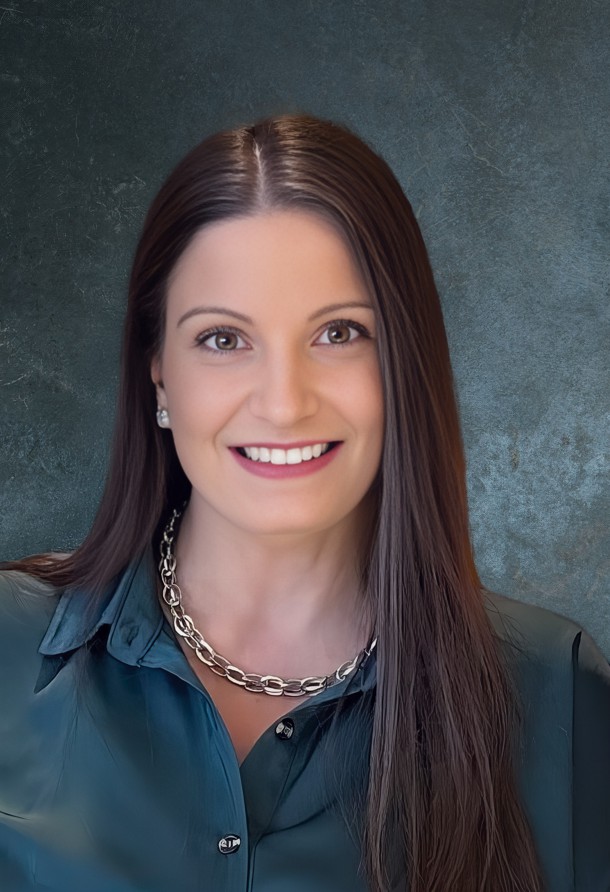
Job description: As executive vice president of NYSUT, I advocate for our members and for every student in New York state. My work focuses on ensuring educators have the resources, respect and professional learning opportunities they need to help students thrive. I collaborate with key partners to strengthen public education and create equitable, supportive schools. I love this work because every victory for educators is a victory for students. When we invest in professional growth, fair conditions and strong public schools, we empower teachers to change lives – and that’s what drives me every single day.
Defining social responsibility: For me, social responsibility means ensuring the union’s collective efforts truly impact people’s lives while leading with integrity, empathy and a commitment to the common good. Our actions – both individual and collective – help shape the communities we serve. At NYSUT, I strive to ensure our advocacy extends beyond the classroom by collaborating with community partners, supporting initiatives that strengthen public education and protecting working people. As educators, we have a duty to champion better working conditions and address broader issues affecting students and families. Ultimately, social responsibility is rooted in listening, understanding and standing in solidarity with those we serve.
Best advice: The best advice I’ve ever received is to keep my eye on the goal and not let obstacles or outside noise distract me. Success starts with a clear vision, supported by strategic planning and consistent focus. I’ve learned that challenges and differing opinions are inevitable, but staying grounded in my objectives while remaining flexible in my approach is key. This mindset helps me prioritize effectively, adapt when needed and maintain momentum even when things get difficult. It’s a reminder that persistence and clarity of purpose ultimately drive the best results.
Michael J. Clain
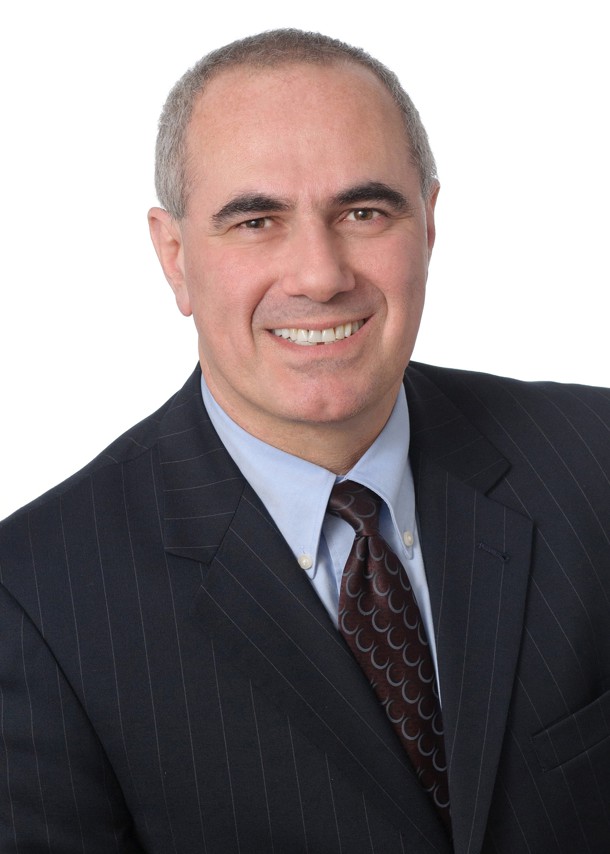
Job description: I enjoy structuring transactions, advising clients on the best way to accomplish their goals and drafting documents that describe complex transactions in terms that are clear and succinct.
Defining social responsibility: Social responsibility means doing things that have meaning beyond the economic interests of the transacting parties. I achieve it in my work by representing a number of financial institutions that finance renewable energy and energy efficiency projects.
Best advice: Make sure you listen to your clients and understand what they need and what they expect from you. When you’re engaged to work on a transaction, make sure you understand the business aspects of the deal and the parties’ expectations before you put pen to paper.
Caroline Coburn
Job description: As a site program manager for Google New York – our largest site outside the Bay Area – I ensure Google NYC is an amazing workplace, and that our 14,000-plus Googlers are connected to Google’s culture and to the community around us. I love helping Googlers get what they need to be happy and successful at work. I’m proud that Google has such a large presence in our city, and I particularly enjoy working with our government affairs and Google.org teams to support local organizations and match them with Google volunteers.
Defining social responsibility: I grew up in an Irish Catholic family with an emphasis on Jesuit education, and while I’m not religious, the Jesuit ethos of “men and women for others” defines social responsibility for me. This can be something as small as thanking the Hudson Square crossing guards at rush hour, or more significant, like connecting Google to the myriad of incredible nonprofits operating in our backyard. It’s a privilege to contribute to the city where I live and work; Google New York is only as strong as the community around us!
Best advice: “Work hard and the next thing will come.” I’ve never had a five-year plan or seen my job as a stepping stone to something else. I’ve always worked hard, invested in relationships and stayed curious, and I’ve had an incredibly varied and fulfilling career.
David Collins
Job description: I am responsible for making sure all of CV’s programs operate smoothly and in accordance with our obligations to children, families, communities, funders, government partners and other stakeholders. We work with many different populations, but our mission is always the same: to ensure that each child has unconditional love and belonging, and that families have what they need to thrive. I love my work because we are constantly thinking about how to give people what they want and need, not just what the system has, and not just the bare minimum that they have frequently been asked to accept.
Defining social responsibility: Historically, people touched by child welfare, juvenile justice and related systems don’t get much of a say in what those institutions look like. To me, social responsibility means respecting the inherent dignity of each person and their right to self-determination. We must help people create the future they want for themselves, not the one we want for them. Social responsibility also means that we pay the people who do this work a living wage, treat them fairly and make sure that all levels of our organization reflect and align with the communities where we work.
Best advice: In every situation involving one of our programs, ask, what would I do if this was my child, or my parent, or my family member or loved one? Would this be good enough for them? It’s a very simple test that provides tremendous moral clarity on any decision we make.
Alia Crawford
Job description: As vice president at USI Insurance Services in Manhattan, I advise nonprofit organizations on designing employee benefits strategies that strengthen workforce well-being and financial sustainability. I enjoy helping mission-driven employers redirect valuable resources back into their programs and people. My work allows me to combine analytical strategy with human impact, which ensures organizations that serve our communities can also take care of their own teams.
Defining social responsibility: To me, social responsibility means using my expertise to create positive ripple effects beyond profit. In my role, that means helping nonprofits strengthen their employee benefits so they can reinvest savings into their missions; whether that’s expanding community programs or supporting staff wellness. I see social responsibility as both a personal and professional commitment: aligning business strategy with human impact and ensuring the organizations I serve can thrive while serving others.
Best advice: The best advice I’ve ever received is to lead with purpose, not position. Titles change, but impact endures. That mindset keeps me grounded in service and reminds me that true leadership is measured not by authority, but by how many people rise because you chose to help them.
Rebecca Gillman Crimmins
Job description: At the Institute for Community Living, a nonprofit providing housing, health care and recovery services to 13,000 New Yorkers annually, I help grow our affordable and supportive housing development portfolio. I lead our asset management and leasing teams as we build housing that promotes long-term stability. ICL provides homes to more than 2,500 people, including 183 new units opened this year for formerly homeless households. I love this work because housing is the foundation for stability, dignity and health. Creating high-quality, affordable housing as a solo developer and with partners delivers lasting, community-centered solutions for New Yorkers who need them most.
Defining social responsibility: To me, social responsibility means recognizing our shared humanity and understanding that we are part of a community, so it is important to act intentionally to make the world better than we found it. I believe we can eradicate homelessness and hunger in our lifetimes, and we have a collective obligation and social responsibility to do so. At ICL, we put these values into action by developing housing for people who have experienced profound challenges, including homelessness, by providing a safe, permanent place to live. By meeting this basic human need, we promote health, equity and access to opportunity.
Best advice: The best advice I’ve received is to learn from your mistakes, so you don’t repeat them, and to follow your heart when making decisions.
Phillip Culver
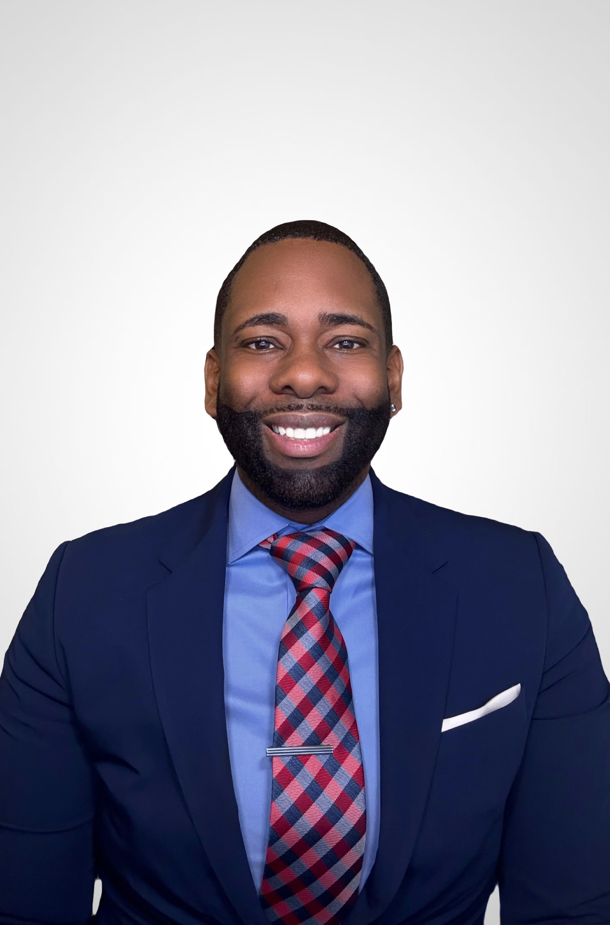
Job description: As senior director of the Office of Civil Rights and Belonging at Nassau Community College, the largest single-campus institution in the State University of New York system, I am dedicated to advancing the college’s mission of fostering a fair, nondiscriminatory and inclusive environment for all. My role includes ensuring compliance with federal and state civil rights laws, leading investigations involving Title VI, Title IX and cases of discrimination or harassment, and promoting equal employment opportunity. I take great pride in advancing initiatives that celebrate diversity, strengthen a sense of belonging and civility and reinforce our collective commitment to equity and respect throughout the NCC community.
Defining social responsibility: To me, social responsibility means using one’s position and influence to advance equity, integrity and the common good. It involves intentional actions that create lasting, positive impact for individuals and communities. At Nassau Community College, I achieve this by upholding civil rights principles, ensuring fair and inclusive practices, and fostering a culture of respect and belonging. Every policy implemented, investigation conducted and initiative led is guided by a commitment to fairness, accountability and the empowerment of others.
Best advice: The best advice I ever received is to lead with purpose and integrity. This aligns closely with my philosophy of servant leadership, which emphasizes prioritizing the needs of others, empowering those around me and fostering their growth and success. In my work, this principle guides every decision I make – ensuring that I lead with empathy, accountability and a commitment to creating environments where individuals feel supported, valued and able to thrive. Servant leadership reminds me that impact is measured by the positive difference made in others’ lives.
Danna DeBlasio
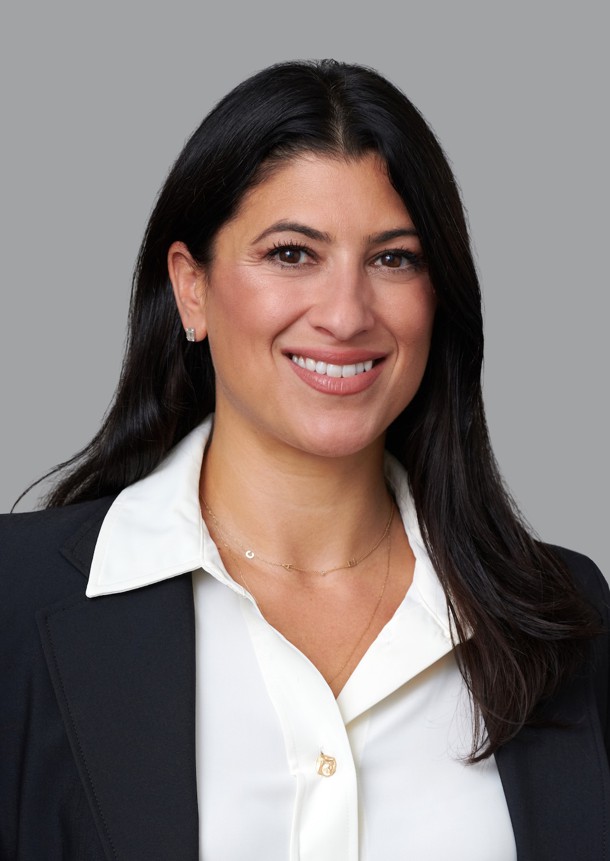
Job description: My job involves fully understanding the issues I advocate for and serving as the strongest possible voice for my clients. I work to understand how these issues impact government, identify and connect with key decision-makers and strategically present the most effective case to drive meaningful change. I enjoy my work because it allows me to make a tangible impact on the city I love. My clients, which range from arts and culture organizations to small minority-owned businesses and nonprofits providing legal services, reflect the diverse and dynamic fabric of New York City, and I take pride in helping them thrive.
Defining social responsibility: To me, social responsibility means being an engaged community member who prioritizes the collective good over individual interests. As a parent raising children in New York City, I feel a deep responsibility to help make this city fair and equitable for them and for future generations. I strive to achieve this by staying grounded in my work, actively listening to those most affected by policies made at higher levels, and ensuring their voices shape the decisions that impact our communities. I also give back by serving on two boards dedicated to addressing inequities faced by young Latinos and Latinas in New York City, Latinas on the Verge of Excellence and Nino de la Caridad Foundation.
Best advice: Never burn a bridge, don’t let perfection be the enemy of good, always keep learning and be prepared!
Vivienne DeStefano
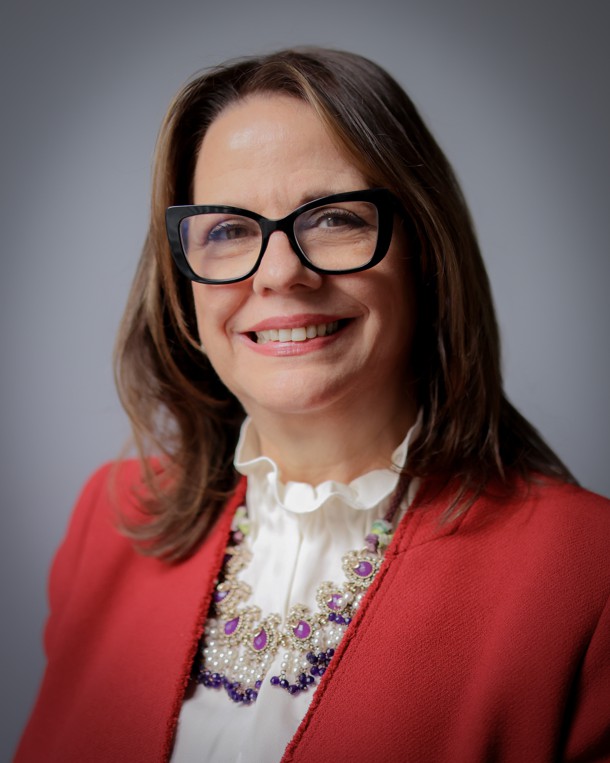
Job description: As senior vice president of corporate communications at Healthix, I lead strategic communications that connect our mission, data and impact to the health care community we serve. I’ve worked in the health information exchange space since 2008, building trusted relationships across New York’s health care ecosystem as the field has evolved. I love this work because it blends strategy with storytelling – translating complex health data into clear, meaningful narratives that support better care for millions of New Yorkers and strengthen collaboration across the community. Each day offers a new opportunity to make that impact visible and meaningful.
Defining social responsibility: To me, social responsibility – both personally and professionally – means recognizing our role in contributing to the well-being of others and acting with integrity, empathy and accountability. At Healthix, I achieve this by listening first, seeking to understand and building a fabric of trust across the health care ecosystem. I focus on sharing accurate, accessible information while ensuring the privacy and dignity of patients. By advancing health information exchange, we support better care, reinforce our commitment to health equity, accountability and transparency, and demonstrate how socially responsible it is to promote and strengthen public health for all New Yorkers.
Best advice: The best advice I ever received was to “meet your audience where they are and keep communication simple, clear and thoughtful.” This guidance has shaped how I approach every aspect of my work – focusing on clarity, empathy and impact. By communicating in ways that resonate with different audiences, I can build trust, foster understanding and make complex information more accessible. In my role at Healthix, this mindset helps ensure our messaging connects meaningfully with stakeholders and supports better care across the health care community.
Andrew Diskin
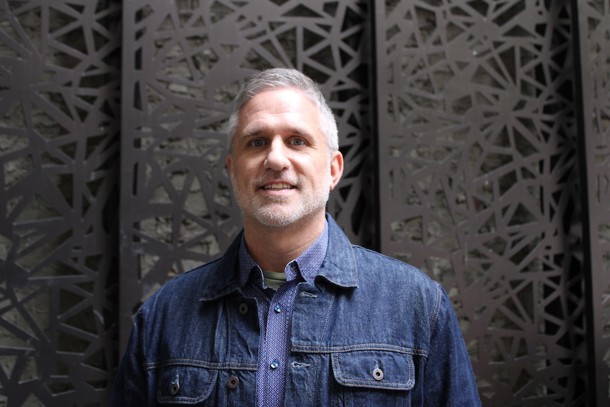
Job description: In my role, I oversee the clinical and case management functions of Urban Pathways’ Apartment Treatment Program, ensuring services are delivered in accordance with best practices and regulatory standards. I exhibit patience, empathy and compassion in the field of social work, consistently building trust and rapport with even the most vulnerable and challenging clients. I am also very deeply committed to staff development and mentorship. I willingly teach, support and guide my team, equipping them with the skills and confidence necessary to handle complex client situations effectively.
Defining social responsibility: Social responsibility is when I can take action to address the urgent social issues my clients deal with every day and to advocate hard for social justice on their behalf. This involves understanding and addressing the social injustices faced by my clients and all vulnerable populations in the community that I work in here in New York City. As a social worker, my goal each day is to challenge social injustice, promote equality and to ensure that everyone I work with in the community has the necessary access to resources and opportunities.
Best advice: My very first boss told me that “the squeaky wheel gets the grease.” He pushed me to be aggressive and assertive in a professional and productive way and to always remember that my voice matters.
Mark Dixon
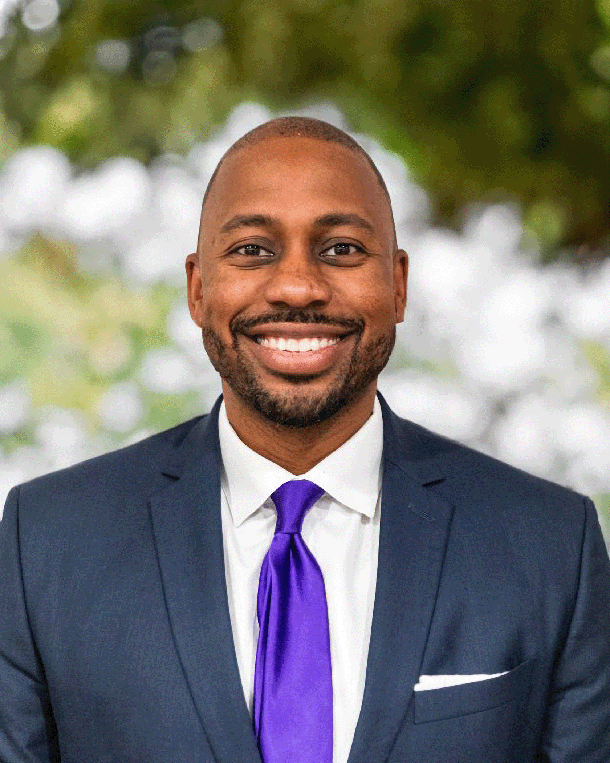
Job description: As a senior manager in education, I lead initiatives that support equitable learning opportunities and drive innovation in school systems. I enjoy collaborating with educators and stakeholders to create impactful solutions that empower students and teachers. The work is deeply rewarding because it directly contributes to shaping future generations.
Defining social responsibility: Social responsibility means using my role to positively impact students, educators and communities. I achieve this by promoting inclusive education initiatives, supporting equitable access to resources and collaborating with stakeholders to address systemic challenges. It’s fulfilling to know my work helps create opportunities for lifelong learning and success.
Best advice: Teamwork makes the dream work.
Alexa Donnelly
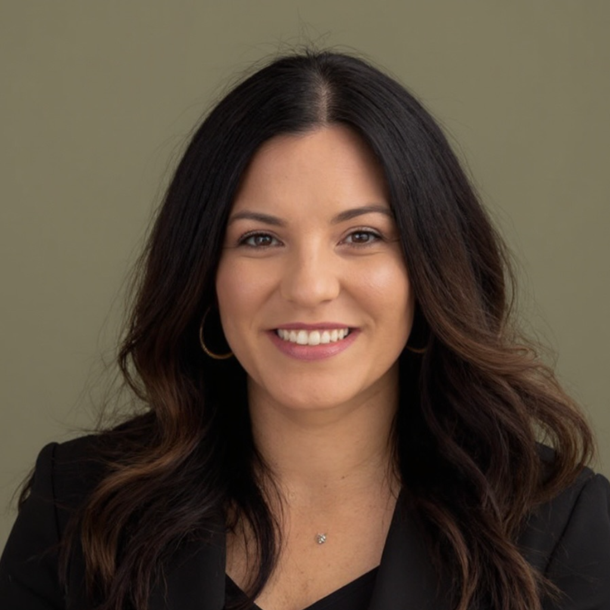
Job description: As the deputy executive director at Person Centered Care Services and a licensed clinical social worker, I lead with a focus on equity, inclusion and human connection. I oversee programs that empower individuals with disabilities to live meaningful, self-directed lives. I love this work because it allows me to cultivate growth – in people, systems and communities – while staying rooted in compassion and purpose.
Defining social responsibility: To me, social responsibility means ensuring that every voice is valued and every person has access to opportunity. I achieve this by embedding equity and dignity into every decision we make – from staff development to community partnerships. It’s about leading with empathy, holding systems accountable and creating spaces where all people can thrive.
Best advice: The best advice I’ve ever received is to “lead from the inside out” and “stay close to your why.” Real leadership begins with self-awareness – understanding your values, triggers and biases – and staying rooted in the purpose that drives you. This guidance reminds me to lead with empathy, authenticity and intention. It keeps me grounded in my commitment to advancing equity and creating systems of care built on respect, humanity and connection.
Garry Douglas
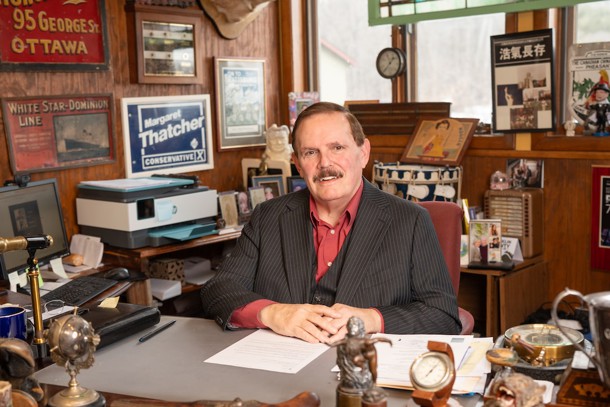
Job description: I’ve had the distinct pleasure of leading the creation and evolution of northern New York's largest economic development and business organization since 1992. Built upon a remarkable team which I have assembled, we have provided long-term strategic vision for a unique regional economy, developing an entity with the capacity, credibility and connections to make both small and large differences. Most satisfying are constant opportunities to help the North Country deal as effectively as possible with the unexpected, be it the closure of our Air Force Base, the COVID-19 pandemic or the current challenges to U.S.-Canada economic and social relations, as well as successes in sustaining and enhancing employment opportunities for our people, from assisting a small business with an issue to attracting major manufacturing investments.
Defining social responsibility: The work of major chambers like ours goes to the heart of social progress, committed to sustaining, enhancing and growing employment; engaging directly in life-changing activities like workforce training; providing leadership in response to regional challenges; and helping to build quality communities which are crucial to a quality economy.
Best advice: Embrace the power of positivity, not as a calculation to determine if you should be positive but as an intellectual commitment, recognizing positivity as a force multiplier and as an attraction of support and collaboration.
Lois Durant
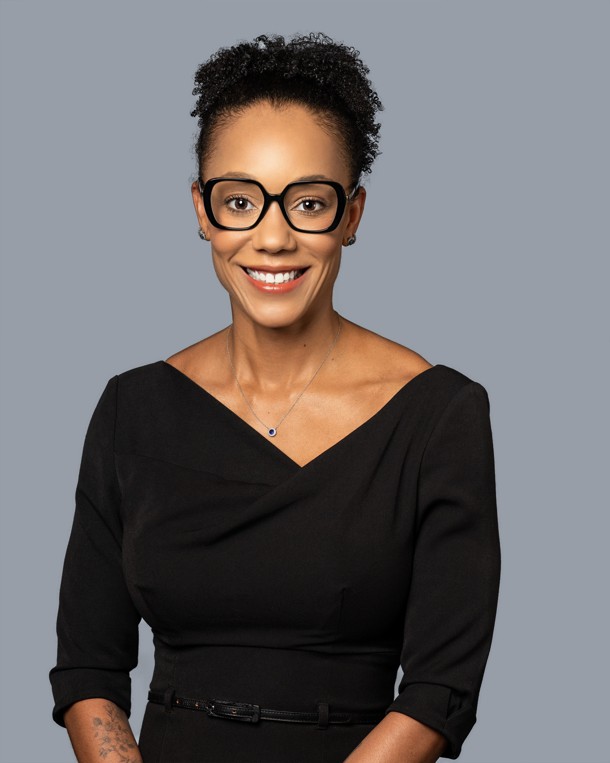
Job description: I lead Sheppard Mullin’s inclusion and professional development programs, aligning business goals with culture and growth. My work spans strategy, leadership development and community partnerships. I love turning values into measurable action, helping talented people realize their potential and ensuring that belonging and excellence reinforce each other. What drives me most is creating an environment where people feel seen, supported and inspired to grow.
Defining social responsibility: Social responsibility means using our influence to create systems where people and communities can thrive. For me, it’s also about intellectual curiosity and a lifelong commitment to education, growth and understanding. At Sheppard Mullin, I embed these principles into everything we do, connecting inclusion with learning, giving back and measurable impact. Through my work, I strive to model how curiosity and accountability can drive both equity and excellence.
Best advice: The best advice I’ve ever received is to stay curious, not certain. Growth happens when we ask questions, not when we defend answers. I’ve learned that you can learn from everyone and if you’re always the smartest person in the room, you’re in the wrong rooms. That mindset keeps me open, grounded and constantly evolving as a leader, reminding me that understanding always begins with curiosity and humility.
Christina Dusenberry

Job description: As national director of change leadership at EDSI, I help guide organizations and communities through transformation by fostering servant leadership, strategic alignment and sustainable growth. My work focuses on maximizing impact in a market designed to serve both businesses and the people who live in our communities. I am passionate about human stories, recognizing that every data point represents a person whose life is being positively impacted through our work. Helping others thrive through change is both my purpose and my privilege.
Defining social responsibility: To me, social responsibility means using our influence, expertise and resources to create meaningful change that uplifts people and communities. It is about leading with empathy, equity and accountability while ensuring that every decision contributes to a greater good. At EDSI, I help organizations build systems that honor both people and performance, aligning business goals with community well-being. True impact happens when we measure success not only by outcomes, but by the lives improved along the way.
Best advice: The best advice I ever received came from our CEO, Kevin Schneiders, who consistently reminds us that leadership is an act of service. Success is measured not by titles, but by the positive impact we create for others. This helped shape my philosophy of showing up with kindness, humility and purpose to inspire teams to do great things. This recognition is truly a reflection of our incredible New York City employees who care deeply and have spent more than 16 years alongside me serving the city I was born and raised in and love so much.
Seth Dymond
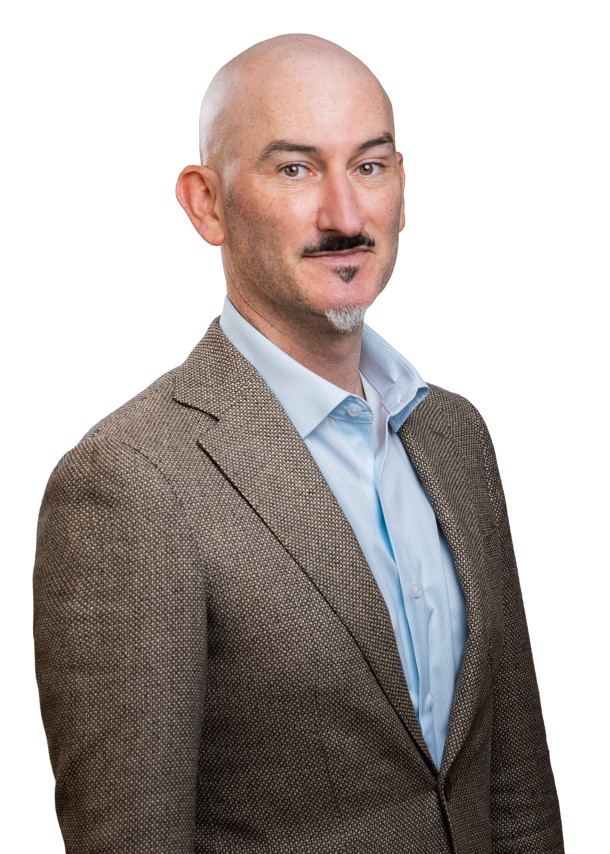
Job description: As a partner at Belluck Law, I fight for victims of all types of injuries, with an emphasis on those who develop terminal cancers caused by toxic exposures. My particular role centers on persuasive writing and oral advocacy. I take pride in helping victims and their families, and I feel a sense of responsibility to ensure that they – and others – are able to receive compensation when a wrong is committed against them. This, of course, cannot undo the wrong or the damage, but it can make their lives easier and give them peace of mind.
Defining social responsibility: In my area of legal practice, social responsibility means fighting for victims’ rights. These individuals are often faced with the classic David and Goliath scenario. Social responsibility includes taking the hard cases – even those that may have little or no likelihood of success – to raise awareness for the cause and help drive change. I’ve built my career on defending and advancing the rights of victims in the areas of products liability and other complex torts, and I feel deeply fortunate that I am able to do so as a profession.
Best advice: The best advice I have received in my profession is to treat each client as if they were a member of your own family. This drives you to give your best effort on each and every case, and it allows you to empathize with your clients, helping to ease any tension and anxiety that can be associated with pursuing a lawsuit.
Kenise Etwaru

Job description: As vice president and chief human resources officer at the New York Psychotherapy and Counseling Center, I am honored to lead our people and culture strategy in advancing equitable access to mental health care across New York City. I take great pride in fostering a high-performance, mission-driven organization where compassion and innovation coexist. Our success is built on empowering extraordinary professionals to do extraordinary work. I am deeply inspired each day by the opportunity to shape an environment where purpose, diversity and excellence drive meaningful impact in the lives we serve.
Defining social responsibility: To me, social responsibility is the obligation to lead with purpose and to ensure our success creates tangible value for others. At the New York Psychotherapy and Counseling Center, I integrate this philosophy into every facet of our people and culture strategy, which promotes ethical leadership, professional growth and a deep commitment to community well-being. By investing in our workforce and empowering them to serve with excellence, we multiply our impact. True leadership is measured not only by results, but by the lasting difference we make in people’s lives and in our city.
Best advice: The best advice I ever received was, “Lead from your values, not your title.” This reminds me daily that that influence is earned through authenticity, consistency and courage, not position or power. Titles may open doors, but values build trust and lasting impact. I’ve carried that lesson throughout my career, using it to guide difficult decisions and inspire others to lead with integrity. When you stay grounded in what truly matters, you create an amazing corporate culture where employees are rooted in purpose, resilience and respect. That’s the essence of meaningful leadership.
Sari Ferro
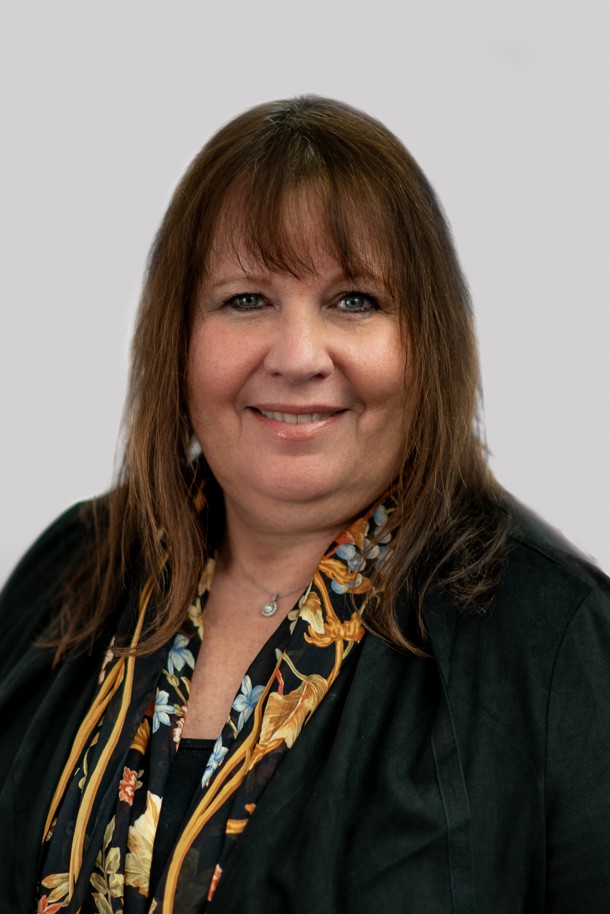
Job description: As head of People and Culture, I set the people strategy and oversee all aspects of UJA’s employee experience, including talent management, employee engagement, benefits and organizational culture. I’m passionate about fostering a workplace where people feel valued, supported and connected, with a strong sense of community that makes UJA a truly great place to work. It’s a privilege to partner with colleagues who are exceptional, passionate, mission-driven and deeply caring – they inspire me every day. I’m proud to contribute to an organization whose impact strengthens our community and makes a lasting, positive difference in people’s lives.
Defining social responsibility: To me, social responsibility means leading with integrity, being honest, compassionate, transparent and fair in how we engage with others. It’s about recognizing our shared humanity and contributing to a better world by supporting those in need and fostering kindness in everyday interactions. In my role, I strive to model these values by cultivating a culture of respect, inclusion and belonging, where every individual feels appreciated, supported and empowered to be part of something greater than themselves.
Best advice: The best advice I’ve ever received is to always put yourself in another person’s shoes. It’s a simple but powerful reminder to lead with empathy, listen with an open mind and consider perspectives beyond your own. This approach not only strengthens relationships but also fosters understanding, compassion and fairness – values I strive to bring into every interaction, both personally and professionally. You never truly know what someone else may be experiencing, so kindness and empathy should always guide the way.
David Flynn
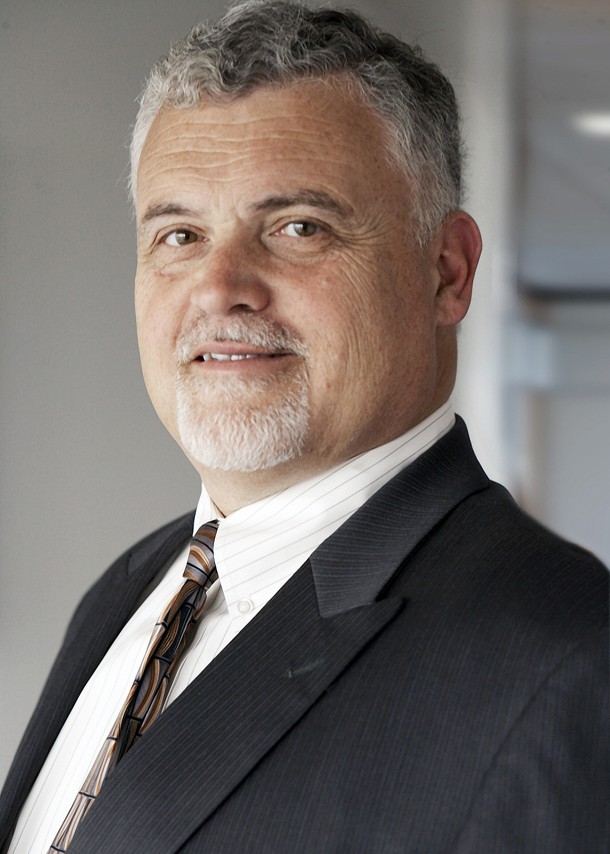
Job description: I lead the energy and environmental practice teams at Phillips Lytle. My work involves a broad range of matters in a cutting-edge space, including energy development, environmental compliance and project development matters. Of late I have become increasingly involved in data center development, including the very significant energy-related matters. I enjoy the work I do because it is broad based and has real-world impacts and applications.
Defining social responsibility: Social responsibility is something I judge my work and life by. We all must avoid looking at what we do in a vacuum. All our actions have intended and unintended consequences, and I try hard to always keep that in mind and to, when possible, look for opportunities to mitigate negative consequences. Being socially responsible does not mean doing something no matter what the cost. Rather it is being able to see when and where it can come into play in a positive way, and look to see if there are opportunities to act and react.
Best advice: Work hard and be true to yourself. Understand that what you do has implications for other people, and be respectful of that.
Sharon Fong
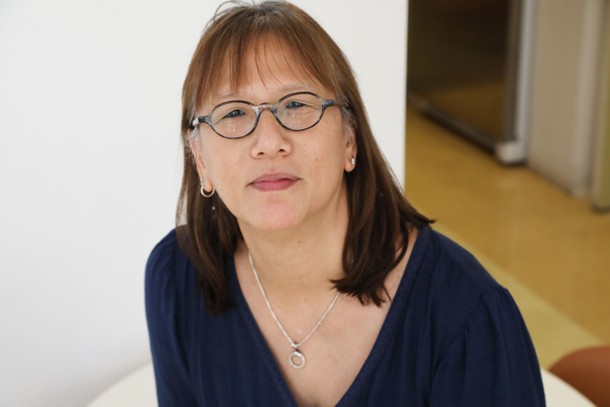
Job description: As CHRO, my primary responsibilities focus on designing, managing and enhancing strategic, operational and programmatic support systems that promote a diverse, competent and committed workforce, as well as creative and relevant service delivery. I particularly value the opportunity to meaningfully enhance the overall effectiveness and efficiency of the agency by providing thought leadership and operational expertise to a wide range of short- and long-term initiatives related to personnel management, internal communications and infrastructure development, and to actively develop practices that serve to advance equity and inclusion within the workplace.
Defining social responsibility: As an immigrant of Asian descent, the principles of civic engagement, reciprocity, compassion and ethical conduct – rooted in the traditions of Confucianism – were deeply embedded into my upbringing and are integral to how I have always defined social responsibility. At AHRC New York City, it is a privilege to be in a role that actively develops and implements initiatives contributing to, one, the agency’s mission of driving solutions to resolve societal inequities impacting people with disabilities and, two, the agency’s commitment to upholding a workplace environment that is respectful, caring, generous and principled.
Best advice: From Mr. Keim, my high school history teacher, a quote from Confucius: “Learning without thought is labor lost; thought without learning is perilous.” From this lesson, I was provided with the foundation for applying a balanced and objective approach by which to interpret information and formulate ideas, analyze and resolve problems, and foster creativity. At a time in which thinking without a basis in learning has resulted in dangerous, intolerant and dehumanizing political rhetoric and actions, the ability to be curious, ask questions, challenge opinions and form independent evidence-based ideas is especially critical to righting the wrongs of willful ignorance.
Barrie-Lyn Foster
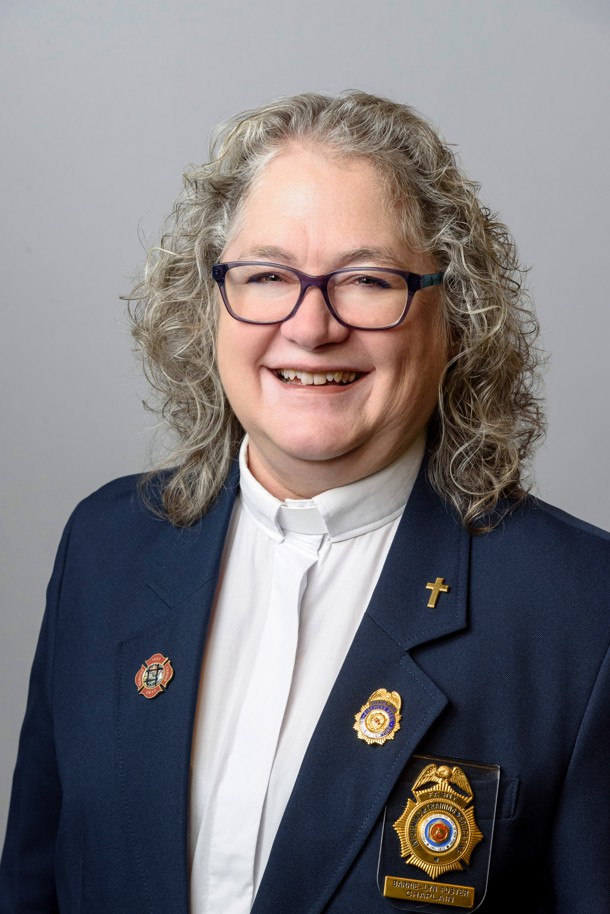
Job description: I currently serve as chaplain to the Firefighters Association of the State of New York, a not-for-profit organization that serves the multiple and varied needs of volunteer firefighters in New York state. I also serve a congregation, United Church of Genoa, with many firefighter families, as their pastor. These two positions dovetail so beautifully and combine my two favorite worlds, firefighting and faith. Helping people is what I live for, especially when serving during an emergency, for emotional, physical, mental or spiritual needs. I am an ordained clergy who served as an assistant fire chief, a certified EMT, New York state fire officer, nationally certified fire instructor, as chaplain in several organizations and chief chaplain in the New York State Association of Fire Chaplains.
Defining social responsibility: The most important thing I do is being present. Showing up and caring for others is often more useful than speaking. It matters not who anyone is, gender, age, culture, anything, for we are all the same – human. Whatever labels we sort ourselves by does not change the needs that every human has. The second important thing is being genuine and offering real help – a ride to the hospital for a mom whose sister was in a car accident, sharing resources for food with those in need, silent prayers for comfort and strength no matter what people are going through. My personal favorite is teaching other chaplains how to be effective, affirming and sincere in all the arenas they serve.
Best advice: It was the words of former FDNY Franciscan Chaplain Father Mychal Judge. His prayer: “Lord, take me where you want me to go, let me meet who you want me to meet, tell me what you want me to say, and keep me out of your way.”
Chad Franklin
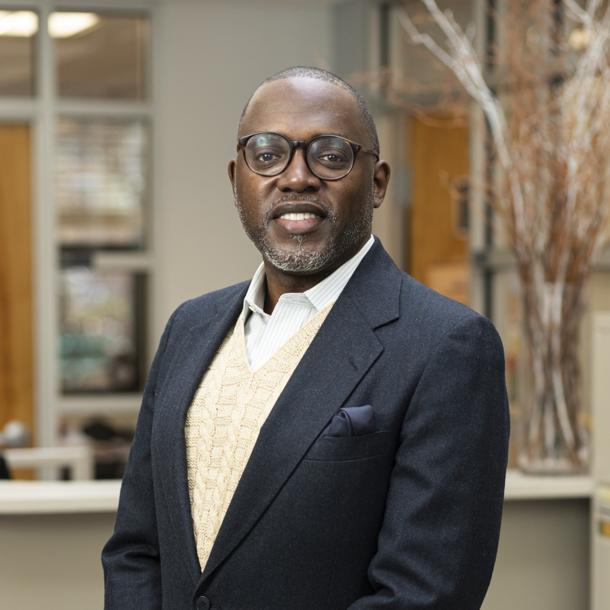
Job description: Serving as associate vice president of education pathways includes providing oversight for a portfolio of three great centers: “Options” – the oldest college access and success center – gives one-on-one college counseling until degree attainment and includes a training institute for practitioners to turn key excellent college access counseling strategies; Star Learning Center provides quality tutoring for students in second-12th grades; and a Learning To Work program in Edward A. Reynolds Transfer High School. I enjoy this work because it allows me to ensure quality systemic education opportunities for demographics that are not always guaranteed.
Defining social responsibility: Social responsibility means taking ownership of the issues that plague our communities. It means being on assignment – knowing there’s a designated amount of time to get the good done that we’re born to do. It means not pointing fingers at why things are broken, but understanding how the solution starts with each of us individually as well interdependently. Moreover, personally it means utilizing all of my gifts to ensure that our society is much better because I showed up and invested in it diligently.
Best advice: The best advice I’ve ever received was when I turned 40 years old and a mentor assured me that I’d do my greatest service work between ages 40 and 100.
Peter Goldberger
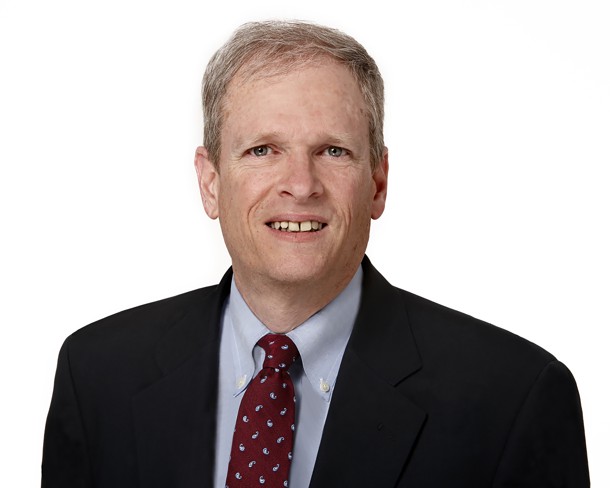
Job description: I lead the 32BJ Benefit Funds, providing high-quality health, retirement, legal and training benefits to over 200,000 local 32BJ SEIU union members and their families. I know that each day our staff are delivering for property service workers – office cleaners, security officers, doormen, building engineers, airport workers, school employees – an array of benefits that are changing lives for the better.
Defining social responsibility: At the 32BJ Benefit Funds, social responsibility means improving the lives of working families. It is not an add-on to the work we do – it is the central mission of our work.
Best advice: Find a job where your work allows you to carry out the values you hold dear in life.
Andrea Goldsmith
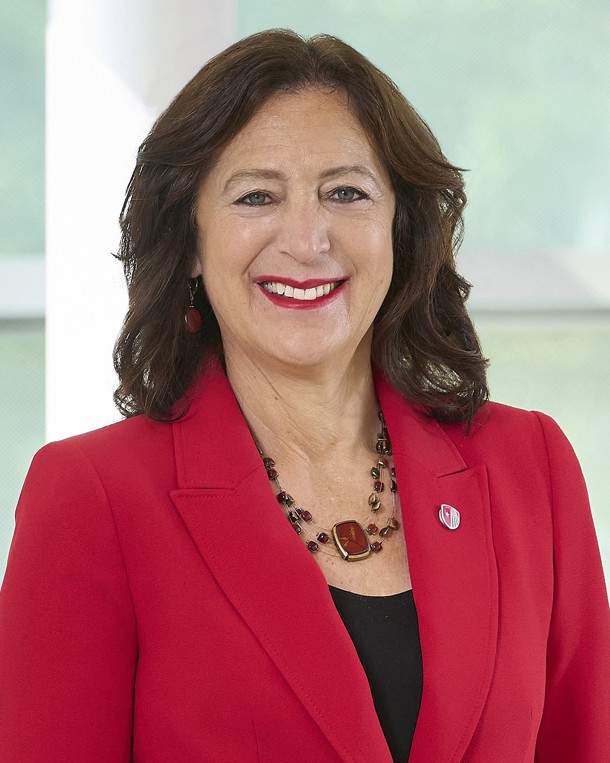
Job description: I serve as the seventh president of Stony Brook University, the State University of New York flagship and No. 1 public university in the state. In this role, I have the privilege of leading and accelerating our mission to offer an outstanding accessible and affordable education to our students, advance the frontiers of knowledge through our research, develop and deliver state-of-the-art medicine with skill and deep compassion, and serve our community, the great state of New York, the country and the world through our work.
Defining social responsibility: Social responsibility is core to my belief and values; it is an obligation to have a significant positive impact on my community, my country, and the world. Leading Stony Brook satisfies this obligation in many dimensions. Stony Brook is one of the top universities in the country for student upward mobility, creating the foundation for success in their personal and professional lives. Our groundbreaking research accelerates solutions to humanity’s important challenges and contributes to our country’s prosperity and national security. Our medical system provides our patients the best possible care, providing healing and hope for them and their families.
Best advice: The best advice I have received is to do what I love, pursue high-risk, high-reward endeavors, and to not be afraid to fail. As an academic, entrepreneur and leader, my professional journey has been defined by these guiding principles. In so many ways, Stony Brook University has the same entrepreneurial spirit that I do: one that is ambitious, optimistic and bold. While it is a challenging time to be a university president, there is no more important time to serve in this capacity given the critical role universities play in social responsibility through our education, research, health care and service.
Doris González
Job description: Everyone who knows me knows: I love my job. I am fortunate to work with a team deeply dedicated to making college affordability a reality for New Yorkers. Each employee is clear on how important their individual role is in helping to bring our mission to life: We help you pay for college. At HESC, I manage 30-plus financial aid programs that give students the resources they need to pursue higher education. We stay connected with them and our education partners through virtual and in-person informational sessions that demystify the grant application process. Like I said, I love my job!
Defining social responsibility: Social responsibility is all about making a difference with a purpose in mind. Throughout my 43-year career in the public/private sectors, my motivation to serve my community has been centered around education, by being a mentor to underserved students. Education is truly the great equalizer. With mentoring, it is so important to be that real-life example of what is possible – you can achieve anything you set your mind to do! In my current role, I am thrilled to be part of Gov. Kathy Hochul’s Latina Mentoring Initiative, where I will be mentoring middle school Latinas in a Bronx school.
Best advice: The best advice I have received is from my mother. She always said, “Sigue pa’lante siempre” (Keep moving forward always). I still say it to myself whenever I face personal or professional challenges. The significance of this mantra has a lot to do with how hard my parents worked, as immigrants in this country, to bring us to New York from the Dominican Republic. They instilled in us the importance of doing our best, which is only possible through education. I am proud to be a product of the New York City public schools and to have graduated from CUNY Baruch College!
Sharika Gordon

Job description: As senior vice president and chief people operations officer at Episcopal Health Services, I oversee all aspects of the team member experience, including talent acquisition, compensation and benefits, employee relations, learning and development, health and wellness, volunteer programs, social impact initiatives and pastoral care. I am passionate about creating a workplace where every team member feels valued, supported and empowered to grow. Partnering with a dedicated team to foster engagement, well-being and community connection is truly rewarding, and seeing how our efforts enrich the lives of our team members while strengthening the communities we serve inspires me every day.
Defining social responsibility: I believe that social responsibility is the ethical structure where persons take actions to benefit society. I choose to try and make a positive impact through actions and my words. I try to make contributions to my community by being a good citizen through things like volunteering and treating others with fairness and kindness.
Best advice: Don’t be afraid to try new things. Don’t be afraid to fail. You can’t take back words, choose them wisely.
Thomas Grech
Job description: As the oldest and largest business association in Queens County, we have an over 100-year-old history of educating, advocating and networking in the business community and beyond. I live by the mantra of always having a connection yield a positive result … 1 + 1 equaling more than 2 every single time.
Defining social responsibility: I started a not-for-profit committee when I first joined the chamber, and it is now our most popular and successful committee. We treat NFPs as a business, not a charity. We not only help them advance their cause, we also get them access and connections that they otherwise would be unable to make. Overall, I work hard to pay it forward as both a lucky and blessed person.
Best advice: “You will do well when you do good.” I serve on several not-for-profit boards, and I have taken this adage to heart. Paying it forward is what I do and how I live my life, both personally and professionally. I share this with my members, especially the younger members of the Queens Chamber.
Charlie Gross

Job description: As a co-founder of Sounds of Saving, I oversee all aspects of a nonprofit whose mission is to promote connection to music as a tool for mental health for young people. We accomplish this in a wide range of ways. We create destigmatizing videos with musicians sharing about their experience with mental health challenges and the way music and other coping strategies help to manage them. We attend concerts and festivals and distribute culturally competent and affordable mental health resources to young fans. We create live and curriculum-based programming within high schools that celebrates intentional music listening as a way to build connection to yourself and others and to regulate emotion and manage stress. As someone whose career has spanned working as a photographer in the music world to working as a therapist and clinical researcher in the mental health field, being able to integrate these skills and passions in the context of helping young people navigate a challenging world truly is a dream job.
Defining social responsibility: Social responsibility in my role means meeting young people where they are to normalize mental health conversations – using the universal accessibility to music to foster self-awareness and community. Amid the challenges in the world and the obstacles to mental health care and stigma, I’m happy to be promoting one possible solution. One school principal told us that a high-risk student who had rebuffed all modes of support was enthusiastic and curious after our event. This to me is social responsibility – finding innovative ways to connect and offer support to people who may be falling through the cracks otherwise.
Best advice: Make sure you’re doing the “right” things for the right reasons. When your intentions are truly in line with your values, it tends to lead to amazing, sometimes unpredictable outcomes both for yourself and others in your life, including those you’re trying to reach with your work. Your authenticity is what allows you to connect with people and to bring what is uniquely yours to the world. And if you’re pursuing things from a sound, honest and creative place, you really can’t lose, because the process can be as satisfying as the goal.
Meghan Gutierrez
Job description: As the CEO of the Lymphoma Research Foundation, I am the custodian of its lifesaving mission to eradicate this rare cancer and serve the lymphoma community. It is a privilege to work with patients, survivors, their care partners, scientists, physicians and all my colleagues every day to realize these goals. We are revolutionizing the treatment and care of people with lymphoma by investing in cutting-edge research and bringing the results directly to patients through our free education programs and support services.
Defining social responsibility: Access to quality cancer and survivorship care, I believe, is a human right. It is our responsibility to ensure that every patient can access the treatments that have been developed as a result of the remarkable advances we have made in the field. This includes meeting patients where they are, by both providing expert programs and support resources and addressing barriers such as financial toxicity, insurance concerns, transportation/availability and social support.
Best advice: The best advice I have received is to always lead with courage. Doing so may not always be the popular or comfortable thing to do, but it allows you to pursue the work that drives change and inspires others.
Berj Haroutunian
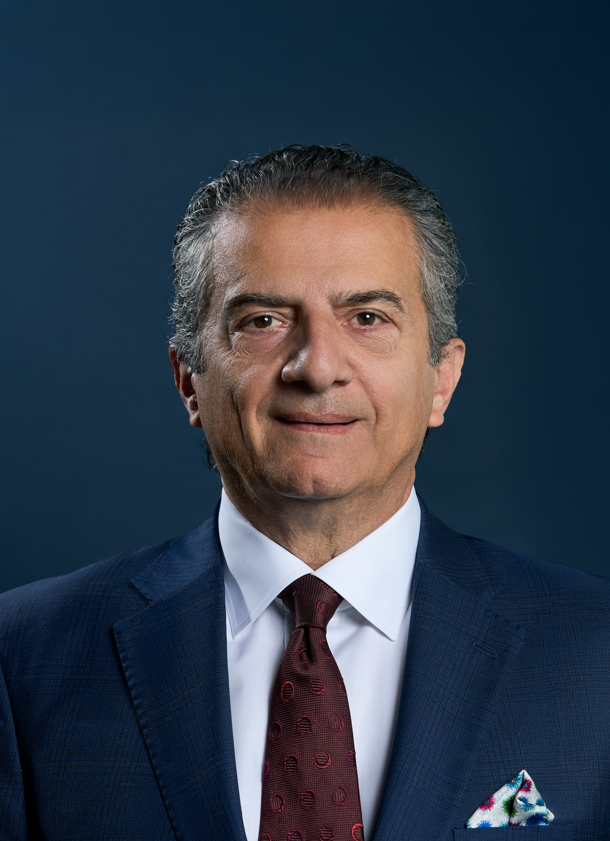
Job description: As the executive chair of The Black Car Fund, I lead our board of directors in working to expand the benefits the fund provides to drivers, as well as to ensure that the fund is positioned to continue serving drivers for years to come. I love this work because I have been in the ground transportation industry my whole life. In fact, I started out as a driver so I know how important and impactful the fund’s work is.
Defining social responsibility: To me, social responsibility is simply recognizing that every decision we make has an impact on people’s lives and that that power needs to be taken seriously. Achieving social responsibility in our work means constantly asking how we can do better by the drivers we serve. We listen to drivers, adapt to their needs and partner with organizations that share our commitment to fairness and dignity in work.
Best advice: Be patient but persistent and learn from your mistakes.
Rachel Hodgdon

Job description: As president and CEO of the International WELL Building Institute, I lead our global mission to transform buildings, organizations and communities to advance health, well-being and equity. My role spans strategy, partnerships and product innovation, ensuring WELL continues to set the benchmark for evidence-based, human-centered building and organizational strategies. I love this work because our work generates tangible impact – whether improving air quality in schools, designing healthier workplaces and homes, or empowering communities to thrive – knowing that healthy places can truly improve people’s well-being.
Defining social responsibility: Social responsibility, to me, means putting people’s health and well-being at the center of every decision because they are an organization’s most valuable asset. Too often, companies focus on financial metrics or compliance, but real impact comes when well-being drives strategy. At IWBI, we embed this principle into everything we do and support global organizations with well-being-focused strategies for buildings and organizations that measurably improve physical, mental and social health. True social responsibility isn’t an add-on; it’s the lens through which organizations can create lasting value for both people and society.
Best advice: No one ever wants to hear all the things you want to tell them.
Gayle Horwitz
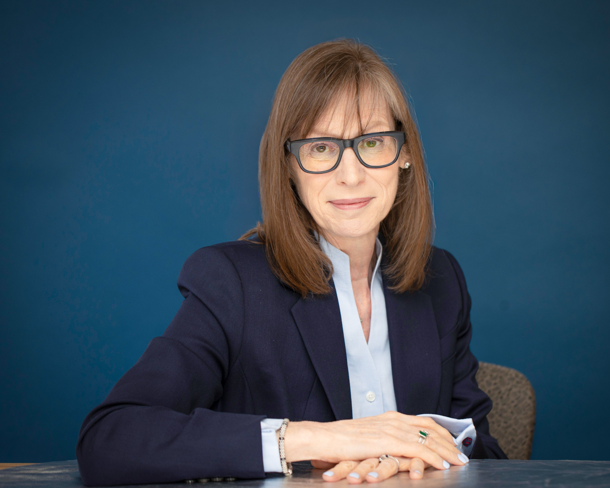
Job description: As CEO of JASA, I oversee one of New York City’s largest social service agencies for older adults. My work balances internal leadership – ensuring programs, operations and finances run smoothly – with external advocacy for the city’s growing aging population. There are now more older New Yorkers than schoolchildren, and we’re focused on helping people age with dignity, no matter their stage of life. I take pride in leading an organization with a legacy of innovation and responsiveness to community needs. My role demands decisiveness, accountability and adaptability – qualities I’ve developed through years in public service and previous executive roles. I’ve always felt a deep responsibility to step up, solve problems and make systems work better for people. At this moment, when the needs of older adults are expanding, I can’t imagine a more meaningful place to be.
Defining social responsibility: Social responsibility is the belief that we each have an obligation to help others and strengthen our communities. I grew up in a family that lived by that principle. My parents were deeply involved in community service and taught me that everyone deserves a second chance. That foundation shaped my career in public service. I chose this path intentionally because I wanted my work to have a tangible impact. Whether in government or the nonprofit sector, I’ve always been driven by the desire to make a difference. At JASA, that means ensuring our services reach the people who need them most, advocating for fair policies and maintaining a sustainable organization ready to adapt to any challenge.
Best advice: Two pieces of advice have guided me throughout my life. The first came from my father: Be yourself. It sounds simple, but authenticity and self-awareness have grounded me in every role I’ve taken on. The second came from my first boss, who told me to pick my fights. Not every battle is worth waging, and effective leadership often means knowing when to stand firm and when to step back. That perspective has been invaluable, especially in public service, where balancing conviction with pragmatism is key to achieving real impact.
Janaye Ingram

Job description: I lead Airbnb’s community engagement and build programs to strengthen and uplift communities worldwide, like the Airbnb Community Fund, a $100 million initiative launched in 2020. Through the Community Fund, Airbnb donated to over 160 organizations globally in 2024 to support economic empowerment, environmental sustainability and ending abuse and exploitation. I’m especially proud of our initiative supporting Neighborhood Housing Services of NYC, supporting affordability and homeownership and the Airbnb Academy, designed to introduce people worldwide to the economic benefits of hosting. I find it rewarding to build trust and connection with communities and support organizations that are making an impact.
Defining social responsibility: Social responsibility means honoring the role you have in a society and using that to benefit others. Airbnb cares about the interests of stakeholders, including our hosts, guests and local communities. I was drawn to Airbnb because it gave me the opportunity to build programs to deliver benefits to stakeholders including hosts, guests and local communities. In my role, I’m focused on collaborating with organizations like National Action Network to help ensure their members understand the economic benefits of Airbnb. And through the Community Fund, distributing donations to organizations serving communities of all backgrounds and experiences.
Best advice: The best advice I have received is to lead with authenticity.
Helen Irving

Job description: Leading the Schwarzman Animal Medical Center is not only an honor, but a role that embodies who I am and the values I truly care about. We are now 670 veterinarians, technicians and support staff who provide exceptional care for patients who have no voice but need us the most when sick. Miracles happen here every day. Continuing the legacy and supporting this great team is the highlight of my career.
Defining social responsibility: Firstly, no respectful leader can lead without social responsibility. We have to commit to our staff and their needs, as well as the needs of the community we serve. Each year, AMC provides over $4 million in charity care helping guide dogs, police dogs and supporting low-income families. But social responsibility is more. It’s living the values of the organization even when not at work. That’s easy to do when, instinctively, you value what you do every day.
Best advice: Listen to your staff and team. Seek out their advice and guidance as you work through your decision-making process. And, above all else, make a decision and own it. For to make no decision at all is far worse on the culture of your organization.
Leon Jacobs
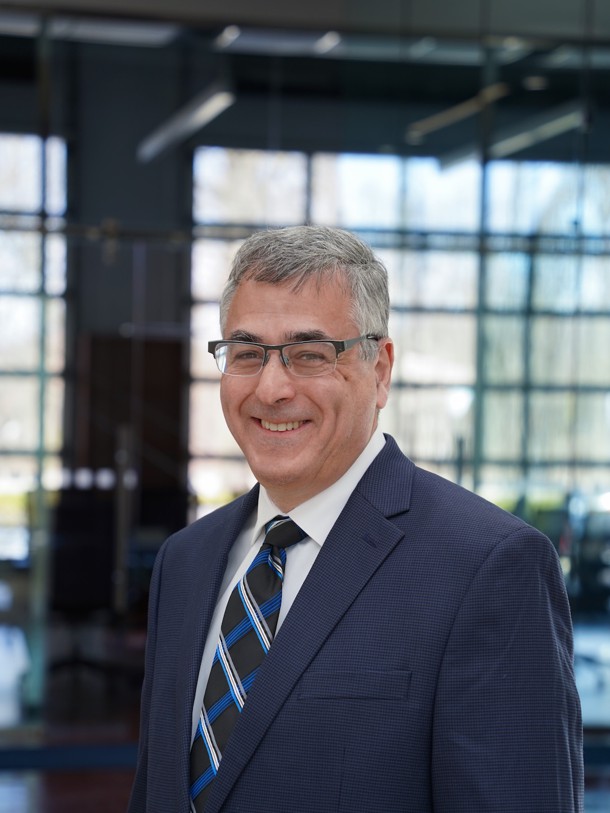
Job description: I lead Halmar’s underground construction work. Halmar builds large, critical and complex infrastructure projects for our communities, our cities and our future. The transit and water systems Halmar builds improves the lifestyle of the local community, improves the environment and provides good-paying employment opportunities.
Defining social responsibility: Halmar’s corporate sustainability policies and initiatives and philosophy of being a good neighbor to both the community and the environment has brought residents a better quality of life, communities’ economic growth and development and diverse land and water environments’ long-term sustainability.
Best advice: Do your best, be honest and straightforward. Everything else will take care of itself. Don’t die on an ant hill. Think about what you are saying – how would you react if it was on the front page of the newspaper?
Sahara James

Job description: As a program manager at Kinetic Communities Consulting, I lead energy justice initiatives advancing the Just Energy Transition for New Yorkers. I coordinate outreach to educate and support marginalized communities in managing energy costs and accessing clean energy workforce opportunities. This work reduces our collective carbon footprint, empowers residents to exercise their energy rights and promotes equitable participation in the clean energy economy. Collaborating with community organizations, utilities and government agencies to drive this transition inspires me – especially now, as we confront systems that often work against progress toward a more just and sustainable future.
Defining social responsibility: To me, social responsibility means using my role and resources to create equitable access to opportunities, bring justice to those historically and currently excluded and generally empower the communities we serve. The initiatives I lead help reduce energy burden for residents, improve comfort and air quality and open pathways to the clean energy workforce. This work also includes elevating community benefit organizations to bring justice to their communities through training and collaboration.
Best advice: “Those who stand for nothing, fall for anything.” In times where it’s glaringly clear to us that systems are violently attacking every aspect of our quality of life, it’s more important to me than ever to be a part of the effort pushing in the other direction. It’s going to take all of us to lead or follow in efforts to rebuild our communities in a just way. I’m grateful to have the opportunity to be a part of it.
Matthew Janeczko
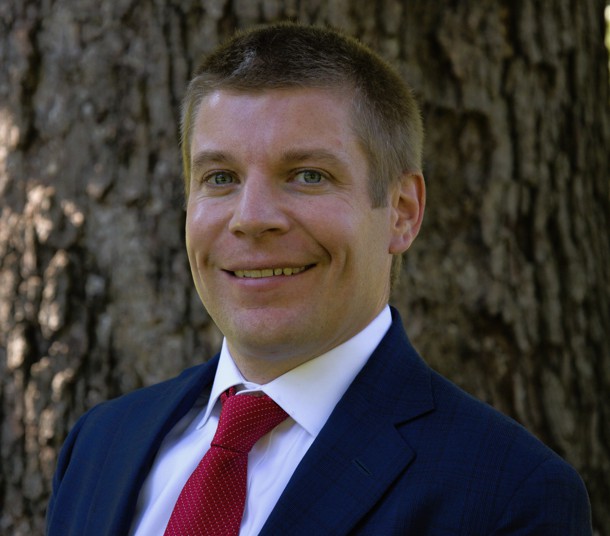
Job description: As CEO of Sisters of Charity Housing, as well as its development, management and social service affiliates, I am responsible for the strategic direction and day-to-day operations of our entire organization. Beyond budgets, problem solving, RFPs, negotiations and deal-sourcing, I’m constantly seeking to find creative and sustainable methods of building more homes for New Yorkers. I love my job because every morning I know that my day will be something different than the last, and when I go to bed, I know that our organization has left the world better than it was in the morning.
Defining social responsibility: Social responsibility recognizes the interconnectedness of civil society and that nonprofits necessarily use public goods and social capital to improve our community. Government agencies, private entities, individuals and other nonprofits are all stakeholders in our society. When we provide services, SCHDC strives to be good stewards of our resources, and to serve the largest number of New Yorkers in need of affordable housing in the most efficient way. In other words, we seek to not only be responsible to society, but social with our responsibility.
Best advice: In my first year as CEO, I was incredibly frustrated with a project not moving forward. A development/general contractor was blunt with me: “No one cares more about your project than you do. Up your game.” I printed that advice out and it’s still on my office wall. Whenever I want to blame an outside entity or circumstance, I remember what he told me. The outlooks of organizations are primarily up to them – blaming others is a cop out and doesn’t actually solve the problem! Our organization’s impact ultimately depends on our own excellence. Holding others responsible may feel easier, but it cuts off honest progress and meaningful solutions.
Laura Junge

Job description: As chief of staff of the Ares Charitable Foundation – a 501(c)(3) qualifying organization sponsored by Ares Management – I support global efforts to help individuals achieve economic mobility through initiatives that expand access to financial knowledge, career preparation and reskilling, and entrepreneurship. This role affords me the opportunity to build and align strategies that connect Ares’ philanthropic initiatives with its core business. The Ares Foundation’s mission is deeply meaningful to me because it merges purpose with impact, empowering individuals while reinforcing Ares’ commitment to inclusive economic advancement.
Defining social responsibility: Social responsibility is about being fully present with the priorities of the community and responding with care, clarity and purpose. In my role at the Ares Charitable Foundation, I focus on advancing inclusive economic mobility through strategic, collaborative efforts that support nonprofits and drive meaningful impact. I am proud to be part of an organization that prioritizes ethical standards and tailored resources to meet distinct needs, ensuring our work is both intentional and deeply human. We stay engaged and responsive, aiming to co-create solutions that drive lasting, positive change.
Best advice: When I was at the beach as a kid, I remember someone telling me, “Never turn your back to the ocean. It’s powerful, unpredictable and always moving.” That moment and that piece of advice have always stuck with me, not just for safety, but as a metaphor for life. People, like the ocean, hold depth and potential that isn’t always visible right away. Turning away too soon means missing the moment they rise or transform. Staying present, open and aware allows us to witness growth in others and ourselves, that we might have otherwise overlooked.
Todd Kaminsky
Job description: As an attorney and government affairs professional, my job involves helping clients understand how they can work with the government to accomplish their goals. I enjoy advocating for my clients for the same reasons I enjoyed advocating for my constituents as a state senator: I like solving complex problems and winning for those counting on me. I also enjoy working with a great team, and my colleagues at Greenberg Traurig are both a force and very supportive of one another.
Defining social responsibility: Social responsibility means carrying the ethos of a public servant into my day-to-day work in the private sector – focus on making a positive impact on the community wherever possible and mitigating harm when you have the ability to do so. For example, I am proud to have moved energy projects forward that contribute to making New York’s power grid cleaner and more reliable; to have helped clients improve the downstate region’s waste and recycling infrastructure; and to help a client proliferate artificial intelligence technology on school buses that aims to protect children on their way to and from school, among other projects.
Best advice: The best advice I ever received is to “chop that wood that is in front of you.” Your situation will not always be perfect, but action will always prevail over complaining. Do your best and be ready for the next opportunity. That attitude and work ethic has taken me from the Queens District Attorney’s Office, to the U.S. Attorney’s Office, to elected office, and now to Greenberg Traurig.
Dan Lehman
Job description: At HELP USA, I lead a team of over 1,200 staff dedicated to ensuring that everyone has a place to call home. A safe, stable place to live is the cornerstone of success in countless other areas, like maintaining good health, staying employed and doing well in school. Every day, I know that we are making lives better for thousands of people – strengthening individuals, families and communities in ways that benefit all of us.
Defining social responsibility: To me, social responsibility means thinking about how what I do, as an individual, affects other people – whether I know them or not. Every day, we make choices and take actions that impact others, in large and small ways. For me, it’s about being intentional – so that my choices and actions make lives better for people, both today and tomorrow.
Best advice: Believe in what you do. Because if you don’t, no one else will.
Sally Librera
Job description: I love my work. I lead a team of 10,000 talented, dedicated individuals across the state who work each day to make sure millions of New Yorkers have the power they need, every minute of every day. That is an amazingly complex and rewarding job in itself, but that is not all our team is doing. We’re also thinking about the future of energy and infrastructure and making sure we are building and maintaining sustainable networks that will deliver for decades to come – for people’s homes, businesses and industries that will drive growth and prosperity across the state.
Defining social responsibility: Social responsibility means delivering affordable, secure and reliable energy in a way that enables New Yorkers to live and work in vibrant, thriving communities. My priority is ensuring the lights and heat stay on for our customers, especially as weather events become increasingly unpredictable, and our customers are confident we will deliver the sustainable power they need. We are strengthening our electric and natural gas infrastructure by leveraging technology and design that improves resilience and reliability, and carries more power for customers’ growing energy demand. We are growing our electric grid, unlocking and moving more renewable energy. Our investments, both immediate and long-term, focus on building robust networks that provide dependable, safe and clean energy to our communities now and well into the future.
Best advice: The best advice I have ever received is to lead our team through the lens of the customer – what they need, experience and want. Today, our focus is on making energy more affordable, as we continue to deliver it safely and reliably, and find innovative ways to meet customers’ growing demand for sustainable power. We are cutting operating costs in distributing energy, expanding the grid for more renewable energy, delivering millions in bill relief for income-eligible customers, and designing and deploying technology that saves customers money by efficiently delivering more clean energy.
Mayra Linares-Garcia
Job description: In my role, I lead community partnerships, manage external communications and oversee our policy work at Liberty Coca-Cola Beverages. What I enjoy most is how all these areas connect – supporting our local communities, engaging our workforce and shaping sound public policy. I’m especially proud of exciting initiatives like launching the first U.S. innovation in paperboard packaging and introducing our new QuadGen machine.
Defining social responsibility: To me, social responsibility means recognizing the role we each play in strengthening our communities and improving the world around us. Whether advancing environmental initiatives at Liberty, supporting local nonprofits or serving on the CUNY board of trustees to expand educational opportunities, I strive to create impact that empowers others and builds a stronger, more equitable future.
Best advice: The best advice I ever received was from former (New York City) Deputy Mayor Carol Robles-Román, who told me to “learn to talk in numbers.” She encouraged me to quantify my work and measure impact. In public affairs, that can be challenging, but when you consider the hundreds of people touched through community engagement and advocacy, the true scale of that impact becomes clear.
Timothy Little
Job description: I am the national head of the Real Estate Department at Katten. What that entails is conducting my own real estate practice while setting, implementing and monitoring strategy for the 80 lawyers in my department. What I enjoy is the challenge of building consensus among highly motivated but opinionated and strong-willed individuals. It takes genuine back and forth and achieving buy-in from people who share your objectives but may differ on how best to achieve them.
Defining social responsibility: Social responsibility to me means finding opportunities to utilize my acquired skills to promote worthy causes. Applying my experience and knowledge to help address real estate issues that charity or cultural institutions may face can be the best contribution that I can make to the success of that organization. In my job, I am paid by clients to help them solve problems and achieve objectives. Social responsibility means bringing those same skills to help other organizations achieve their objectives to create positive social impact.
Best advice: The best advice I ever received was when I was a young associate and was pretty burned out. A partner took me to dinner and convinced me that I did not have to prove myself every minute of every day. I could accept the position that I had achieved without exploiting it and draw reasonable boundaries to maintain a better balance in an unceasingly demanding career.
Cory Loomis
Job description: Lobbying elected officials and government agencies on behalf of our firm’s clients. As the legislative director at Patrick B. Jenkins & Associates, I am also the lead on all the legislative tracking, analyses and coordination. I enjoy my work because every day is different and I enjoy working with everyone at PBJA.
Defining social responsibility: Social responsibility is acting in a way that considers and attempts to further the interests of society rather than personal gain. Achieving social responsibility in politics and policy is most often through compromise, so being open to other stakeholders interests and considerations in negotiations will lead to a wider social interest.
Best advice: Keep it conversational.
Corine Lurry-Mabin
Job description: I am deeply honored to serve as the president and CEO of Andrus, a nationally recognized, trauma-responsive nonprofit organization serving children, families and communities through programs that heal, teach and empower. Andrus is dedicated to transforming lives through innovative, coordinated social and emotional support for all. I enjoy leading through collaboration and compassion, ensuring futures filled with possibilities for children and families. As we near our centennial, I am excited to reimagine care with equity, empathy and bold systemic change.
Defining social responsibility: Social responsibility is the commitment to collective success: recognizing that every individual’s contribution is vital, and together we achieve more. Being socially responsible means nurturing the well-being of all community members, a commitment to mutual care and collective achievement, while actively celebrating the uniqueness and strength that come from our differences.
Best advice: The best advice I ever received was to view “no” as “not yet.” This mindset serves as a vital tool for both strategic resilience and boundary management. When facing external rejection, this mindset reframes an outcome as merely temporary, fueling perseverance and necessary refinement. Internally, it allows me to manage the pressure to constantly say “yes” by strategically deferring tasks and honoring current priorities.
Stephen Mannhaupt
Job description: As the partner leading our Assurance & Attest Services and Employee Benefit Plan practices at Grassi, I provide guidance to clients across industries on accounting, auditing, internal controls and operational efficiency. Over my 33 years at the firm, I’ve found great fulfillment in helping businesses identify challenges, optimize performance and achieve their goals. The opportunity to make a tangible impact on organizations and contribute directly to their success is what I find most rewarding about my work. Seeing the positive results of my efforts and knowing that I’m making a difference is incredibly motivating.
Defining social responsibility: To me, social responsibility is about using my knowledge and experience to empower organizations to reach their full potential in serving their stakeholders and communities. In my role, I help companies implement robust systems, controls and process improvements. By making sure they are operating on a strong foundation, they can operate more effectively and make a positive impact. I take pride in playing a part in their success and in their ability to create value.
Best advice: The best advice I’ve ever received is to embrace discomfort as an opportunity for growth. Throughout my career, I’ve learned that stepping outside of my comfort zone often leads to the most rewarding experiences. I strive to apply this mindset not only to my own development but also in my work with clients and colleagues.
Aamir Mansoor
Job description: As the director of policy at the Primary Care Development Corp., I lead efforts to advance policies that expand access to high-quality primary care. I love working alongside and learning from colleagues and partners who are far smarter than I am. Their insight challenges me to grow every day. I’m driven by the opportunity to shape policies that can improve the health and lives of millions of people. Advocating for greater access to primary care aligns perfectly with the throughline of my career: advancing public policies that create meaningful, positive outcomes for the communities and individuals they’re designed to serve.
Defining social responsibility: Social responsibility means using my influence and expertise to advance a sense of fairness and collective well-being for all communities. As director of policy at the Primary Care Development Corp., I achieve this by advocating for transformative policies that strengthen primary care and improve health outcomes before policymakers at the city, state and national levels. Through advocacy and collaboration, we fulfill our collective social responsibility: ensuring every community has access to quality care and the opportunity to thrive in a healthier, more equitable society.
Best advice: The best advice I have received is: “Trust in God, but tie your camel.” This phrase, rooted in my faith tradition, reminds us to have faith while also taking responsibility for our actions. To me, it means balancing belief with diligence – trusting the process, but doing the work to ensure success. In my role, this translates to combining vision with preparation: having confidence in our mission to improve primary care while grounding that faith in careful planning, data and action. It’s a daily reminder that hope and hard work must go hand in hand to create meaningful, lasting change.
Kyle Markland
Job description: As CEO of New York City’s oldest and largest credit union, I have led Municipal Credit Union through a period of transformation, growth and renewed community focus. Since taking the helm in 2020, I have expanded access to affordable financial services across all five boroughs, championing initiatives that serve hardworking New Yorkers.
Defining social responsibility: I was also the driving force behind the creation of the MCU Foundation in 2023, which channels MCU’s philanthropic efforts toward improving financial well-being and community resilience across New York City. In addition to leading MCU, I serve on the boards of both the MCU Foundation and the National Credit Union Foundation, underscoring a deep commitment to financial inclusion and social impact within the credit union movement.
Best advice: “There is an opportunity in everything, you just have to find it.”
Lola Maroulis
Job description: As chief financial officer, my role entails overseeing the organization’s financial health to ensure resources are used effectively to advance our mission. I manage budgeting, financial planning, audits, compliance and reporting to the board and funders. I also provide strategic guidance to support sustainability, transparency and accountability – ensuring every dollar maximizes community impact. I enjoy my work because it allows me to blend financial expertise with purpose-driven leadership. It allows me to use my financial expertise in a way that directly supports people and communities in need. Knowing that sound financial management helps our programs make a real difference gives me a deep sense of purpose and fulfillment.
Defining social responsibility: To me, social responsibility means leading with integrity, accountability and a commitment to advancing the greater good. It is about ensuring that every decision supports our mission, strengthens our community and upholds the highest ethical standards. It means using my skills and position to strengthen the well-being of the communities we serve. Social responsibility is not just about compliance or good governance – it’s about accountability, compassion and a commitment to making a measurable difference in people’s lives. As chief financial officer, I achieve social responsibility by managing our financial resources with transparency, efficiency, integrity and purpose. I align financial strategies with mission priorities, promote ethical governance and ensure fiscal practices that sustain both our programs and the people we serve.
Best advice: The best advice I ever got was to stay curious and never stop learning. Every experience, even the difficult ones, offers something that helps you grow personally and professionally.
Jack Marth
Job description: As the director of programs at POTS, I have the honor of overseeing a talented team of professionals who provide a diverse suite of comprehensive services to address poverty and hunger in the Bronx. This includes providing access to emergency food, showers, mail service, haircuts, mentoring, workforce development, social services, benefits enrollment, legal services to prevent evictions and much more. I enjoy working with my colleagues and I also enjoy the opportunities I have to engage directly with members of the community we serve. I am frequently inspired and in awe of their strength and resilience.
Defining social responsibility: To me social responsibility is fundamentally about working for social justice. At POTS our guiding values are: community, respect, hospitality, empowerment and justice. The social and economic realities that bring people to POTS stem from systems of injustice. If we are not challenging those systems and working to change them, we cannot claim to be socially responsible. As our name suggests, the direct services POTS provides are only part of the solution, so we partner with peer organizations, volunteers and a variety of stakeholders to strive for a society that is more just and inclusive.
Best advice: In terms of doing the work we do at POTS, the best advice I have received is always try to put yourself in the place of the person you are trying to help. No matter what, try your best to honor their fundamental human dignity and human worth.
April McIver

Job description: As the executive director of The Plumbing Foundation City of New York, I represent New York City licensed master plumbers and associate members to ensure the enactment and enforcement of safe plumbing codes, and as the co-executive director of the New York State Association of Plumbing, Heating and Cooling Contractors, I represent the plumbing and HVAC industries across the state. I bear the crucial responsibility of ensuring our policymakers enact and uphold vital health and safety regulations (e.g., water quality to prevent Legionella bacteria, gas safety to prevent leaks and explosions). Furthermore, I ensure these life safety systems are managed by licensed individuals to safeguard the well-being of New Yorkers.
Defining social responsibility: For me, social responsibility means diligently leveraging the collective voice of New York City and New York state plumbing and HVAC contractors to protect public health and trust. As a persistent advocate, I am focused on rigorously engaging with elected and public officials to ensure plumbing systems are healthy, safe and sustainable for all New Yorkers. Simultaneously, I champion transparency and accountability in all governmental decision-making processes. By demanding clear, responsible governance, we can ensure the interests of our community and the integrity of essential infrastructure are always prioritized over politics.
Best advice: Of all the great advice I’ve received from many mentors (and even from the experience of raising my three small children), it boils down to a simple truth: Integrity and effort are nonnegotiable. The best counsel encourages perseverance toward clear, consistent goals, anchored by unwavering integrity in every decision, professional or personal. I have learned that success is collaborative, and setting clear boundaries protects my energy, while consistently recognizing others by giving credit where it is due builds trust and respect. This amalgam of wisdom keeps me grounded and effective.
Emily Miles
Job description: As executive director of the New York City Alliance Against Sexual Assault, I lead efforts to prevent sexual violence and support survivors through advocacy, education and systemic change. Our work unites service providers, community leaders and policymakers to create a safer, more equitable city. I find purpose in amplifying survivors’ voices and building pathways toward healing and accountability. Every day, I’m inspired by the resilience of our communities and the power of collective action to drive meaningful change.
Defining social responsibility: Social responsibility means using one’s platform to advance equity, safety and dignity for all. At the New York City Alliance Against Sexual Assault, we live this mission by centering survivors, challenging inequities and promoting accountability across institutions. Through partnerships, public education and advocacy, we work to shift systems that perpetuate harm and build those that sustain care and prevention. For me, responsibility is both a moral and civic duty – ensuring that every action reflects our commitment to justice and community well-being.
Best advice: A former boss once told me that “a meeting is not an accomplishment.” It reminds me that progress requires more than good intentions – it takes action. At the alliance, this perspective has shaped how I lead: prioritizing outcomes and ensuring that our conversations translate into tangible change for survivors and communities. It’s taught me to focus on impact, hold space for voices that need to be heard and always keep the work moving forward.
Brandon Milliner Sr.
Job description: As the diversity program officer at WDF Inc., a Tutor Perini company, I focus on promoting supplier and business diversity, specifically for MWBE (minority- and women-owned business enterprises) firms. My work involves advocating for equal access to contract opportunities through building strong relationships with public agencies and construction organizations. I collaborate with these entities to identify contract opportunities and work to eliminate barriers that could hinder MWBE participation in procurement processes. I am passionate about this role because I love witnessing the growth and success of MWBE firms, as well as the positive impact they create within their communities.
Defining social responsibility: Social responsibility involves being a committed global citizen, and I embody this by advocating for the MWBE community. I work to promote equitable opportunities for MWBEs in contracting, enhance their representation in business networks and support initiatives that empower these entrepreneurs. I aim to create a more inclusive economic landscape. My efforts focus on amplifying their voices and ensuring access to resources, ultimately contributing to a society where diverse businesses can thrive and drive positive change for all stakeholders.
Best advice: The best advice I received came from my mother, Ellen McMullin. She told me that when someone offers you help or asks you what you need, tell them precisely what you need. She said this to me because she understood that when someone asks this question, the receiver tends to put limitations on what they think a person is willing to do for them. Creating limitations can cause you to miss out on potential opportunities for growth. Allow those who want to be a blessing in your life to do just that. They will convey their limitations to you.
Anthony M. Montalto
Job description: As a senior vice president and licensed mechanical engineer at JB&B, I have the opportunity not only to lead teams in designing commercial, health care, life science and residential spaces, but to engage the experience of a wide range of fellow engineers. I value the creativity and sense of purpose behind shaping environments that help people work, interact and support one another in ways that strengthen their communities. And as board chair for Habitat for Humanity New York City and Westchester County, I’m grateful to be able to give back by working alongside future homeowners as they move toward achieving their dream: a place to call their own.
Defining social responsibility: To me, social responsibility means preserving and uplifting the communities around us. It’s a kind of overarching respect: for people, for the lives they live, and for the environment in which they live – this is where I can have real impact. While I love designing exemplary buildings that benefit the public, my work with Habitat has shown me how essential having a space of one’s own is to feeling grounded in society. So I’m equally committed to ensuring everyone has a place to call home. Ultimately, social responsibility is about supporting our communities and the people who shape them.
Best advice: Success grows from the people you choose to surround yourself with. Seek out those who challenge, inspire and elevate you – and invest in those relationships. When you build a circle that fuels your growth, you create the foundation for achieving your fullest potential. What’s interesting here is that each of these pieces of advice is about having the right people around you. Good people. This is clearly something that has resonated with me from the beginning.
Domenique Camacho Moran
Job description: As a labor and employment attorney, my work sits at the intersection of law, business and people. I advise employers on how to navigate workplace challenges, from compliance and policy development to sensitive investigations and litigation. What I enjoy most is the human side of the work. Every matter involves real people, real impact and the opportunity to help organizations do right by their teams while protecting their interests. It’s incredibly rewarding to solve problems that not only resolve disputes but also strengthen workplaces for the future.
Defining social responsibility: To me, social responsibility means using my experience to help employers create fair, inclusive and respectful workplaces. Every policy, training or piece of advice is an opportunity to promote integrity and equity. Additionally, doing well and doing good in our communities is part of the fabric of our firm’s culture. This lives in everything we do and permeates our involvement in the region.
Best advice: The best advice I ever received was not to be afraid to take the lead and do what’s right, even when it’s not easy. Leadership isn’t about having all the answers, it’s about having the courage to speak up, make thoughtful (and sometimes difficult) decisions, and set the tone for others to follow. That mindset has guided me throughout my career and continues to shape how I lead and manage teams.
Michelle Morazán

Job description: As vice president of policy and strategy at Somos, I see myself as a weaver – connecting policy, community partnerships and funding to create real health outcomes for underserved New Yorkers. I work to ensure community-based nonprofits, the ones with deep trust in marginalized neighborhoods, have the sustainable funding and capacity building they need to deliver culturally responsive care to Medicaid members. What drives me is seeing the transformation when we bring together the right resources – these organizations multiply their impact in ways that spreadsheets can’t capture. I love working where strategic thinking meets human need, building systems that honor communities’ wisdom and leadership in shaping their own health futures.
Defining social responsibility: Social responsibility means using whatever influence and resources I have to break down barriers for people who’ve been shut out of opportunities. It’s about equity, not equality – understanding that communities facing historical disadvantages need different kinds of support, not just the same treatment. I live this by treating CBOs as essential partners in health care, not afterthoughts. When I help local nonprofits access diversified funding and build their capacity, I’m investing in the trust they’ve earned. Real accountability means constantly checking my own assumptions, listening to community voices and measuring success by what matters most: better access to care and healthier lives.
Best advice: “Trust is the currency of transformation.” A wise social worker at Cornell taught me early on that no brilliant policy or funding strategy matters without authentic relationships. The nonprofits serving marginalized New Yorkers have spent decades earning trust – showing up when systems fail, listening when others don’t. That lesson changed everything for me. My job isn’t to parachute in with solutions; it’s to ask, “How can I support your vision?” and then actually listen to the answer. The people closest to a problem almost always have the best ideas for solving it. My role is to bring resources to their wisdom.
Greg Mustaciuolo
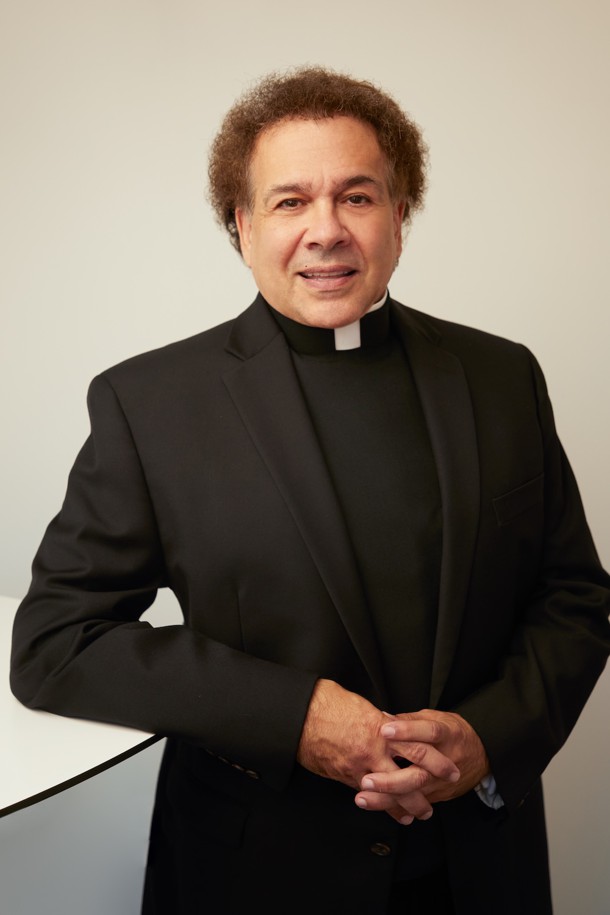
Job description: As CEO of the Mother Cabrini Health Foundation, my role involves overseeing grantmaking and strategic initiatives that improve the health and well-being of New Yorkers, particularly those most in need. I find great fulfillment in collaborating with dedicated partners across New York state and an accomplished and committed team who share our mission of compassion and service. Making a tangible impact in communities and helping to carry forward Mother Cabrini’s legacy of care inspires me every day.
Defining social responsibility: To me, social responsibility means acting with compassion and integrity to uplift those who are vulnerable or underserved. At the Mother Cabrini Health Foundation, I strive to achieve this by ensuring our resources are directed where they can do the greatest good – supporting effective programs and forging strong partnerships rooted in service. By listening to communities, we work each day to build a healthier and more equitable New York for all.
Best advice: At my priestly ordination, Cardinal (John) O’Connor asked but one thing: Be kind to people. Be kind to people. Be kind to people. I have tried to live this in my personal and professional lives. Wouldn’t the world be a better place if everyone strove to live this way?
Jeff Nemetsky
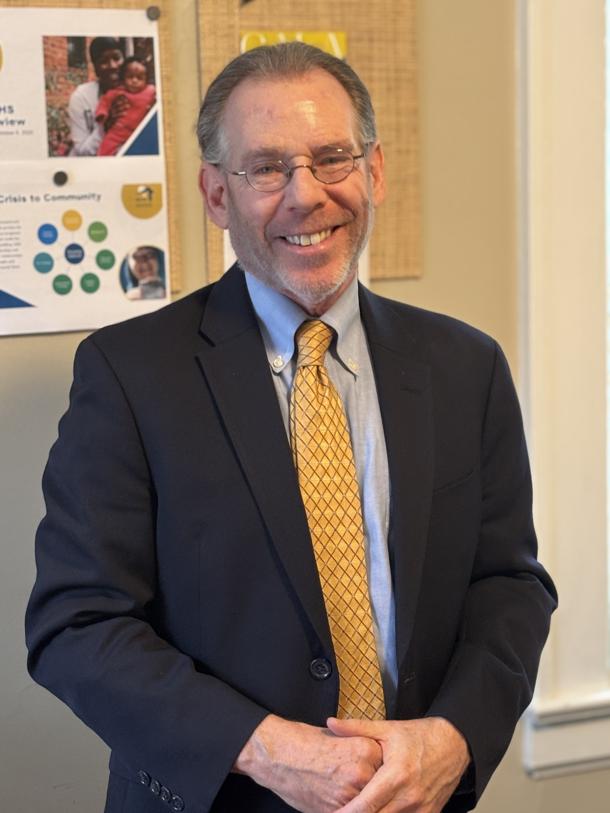
Job description: As CEO, I am privileged to lead a team of more than 120 people who, along with our dedicated board, believe that ending homelessness is both possible and essential for a just and thriving New York. Last year, we helped more than 1,600 housing-vulnerable people find or maintain stable homes, and we will soon open 800 new supportive and affordable units for families and single adults. Guided by lessons learned on the ground, we also push for the policy changes our city needs. I’m inspired every day by our team’s extraordinary commitment and by the great strength of our residents.
Defining social responsibility: Social responsibility is the belief that our lives are connected – woven together – and that the strength of our community is measured by how we care for those most at risk of being left behind. “Our fortunes are fragile, our fates intertwined” is more than an idea; it’s a reminder that compassion is not optional but essential. When we extend opportunity, respect, fairness and shelter to every neighbor, we don’t just change individual lives – we lift the fabric of our city, our place, our community. None of us truly succeed unless we all succeed.
Best advice: When I was 10, my baseball coach told our team to focus only on what we could control: how hard we worked, how well we prepared and how we supported our teammates. Mistakes and errors would happen, he said, and there might be more talented teams, but if we worked our hardest, prepared diligently and stayed thoughtful about each other, then we had already succeeded. He was right. Decades later, that advice still guides me in my work and in how I try to lead and support teams today.
Eugene Noh

Job description: As a political consultant, my job is to help candidates win elections. As a one-stop shop for all campaign needs, my job entails crafting messaging, dissecting historical election results, coaching the candidate, training campaign staff and (attempting to) manage the narrative. It’s all-encompassing, high stakes and winner takes all. There is nothing better than winning with a candidate who “didn’t have a chance.”
Defining social responsibility: I’ve never written or passed a law, but I’m proud to have played a role in electing many trailblazing candidates for office. In high school, I was lucky to have interned for then-Council Member and Comptroller John Liu, the first Asian American elected to any New York City office. After that, Assemblyman Ron Kim, the first Korean American elected official in the state, and of course my council member, Julie Won, the first Korean American elected to a state office. There was also a year we got a Democrat elected to Congress on Staten Island – the great Max Rose. Winning impossible races will always make a difference.
Best advice: Perfection is a moving target.
Abbey Nyamekye
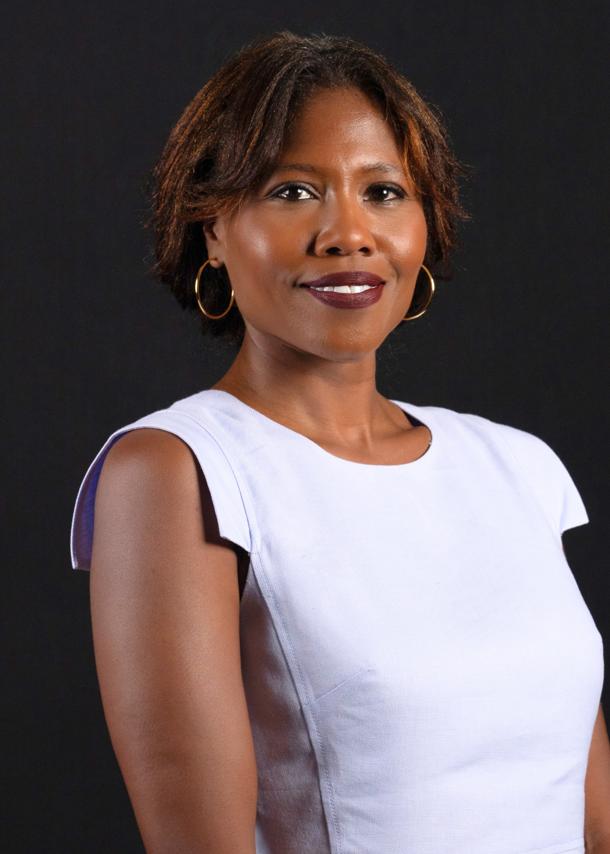
Job description: As chief strategy officer, I oversee CUCS’ strategic planning, external affairs and stakeholder engagement to ensure the organization’s long-term sustainability and service excellence. I lead a portfolio that includes development and communications, strategic operations and our Training Institute. I love that my work connects big-picture vision with on-the-ground impact, helping teams innovate, improve systems and create pathways to success for the New Yorkers we serve every day.
Defining social responsibility: To me, social responsibility means using our resources, influence and expertise to create systems that advance equity and opportunity for the most vulnerable New Yorkers. At CUCS, that means designing strategies that not only meet immediate needs but also dismantle barriers that perpetuate poverty and homelessness. I achieve this by aligning policy, partnerships and practice around a shared commitment to dignity, inclusion and measurable impact, ensuring every initiative leads to real, sustainable change for the communities we serve.
Best advice: Approach everything with a growth mindset. For our communities, the needs and the environment are constantly evolving and so must our efforts. Embrace change with curiosity, diligence, intention and grace.
Gwen O’Shea
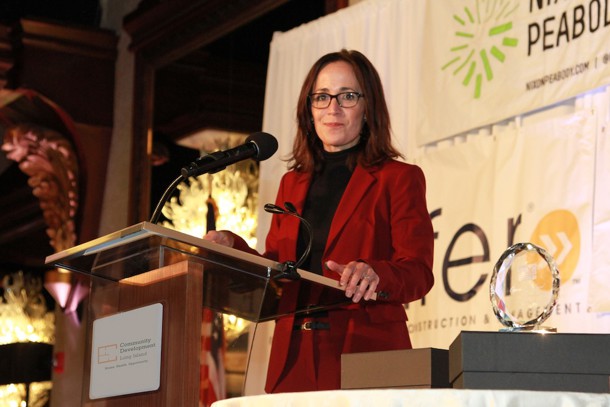
Job description: There is never a dull moment at CDLI. Everything we do is complicated and complex because that’s housing on Long Island. I am focused, alongside our board, on setting our strategy. It’s my responsibility to cultivate the best team to implement the strategy, to build our partnerships and network and attract the capital and financing necessary to meet our strategic goals. Ultimately, every Long Islander having a safe and financially stable home. I get to work with some of the brightest, dedicated and most savvy individuals. Which means I am learning something new every day. I couldn’t love it more.
Defining social responsibility: I still believe that it’s my job to try and leave this world a better place. And that’s all aspects of place – built communities, surrounding communities, the environment and the policies and systems within them. Social responsibility is woven into the framework of CDLI. It is one of the driving factors for my professional gratitude. I am so privileged to be part of an entity that leverages individual responsibility with corporate responsibility. CDLI achieves this through growth and promotion opportunities for our team, financing and supporting sustainable developments, connecting with and integrating with communities at every level and measuring our impact.
Best advice: Fail fast, fix fast. Don’t take yourself too seriously. Be present.
Nancy Palmerin
Job description: I serve as managing director at Citrin Cooperman, where I lead our learning and development strategy. I design global educational programs that strengthen our collective capabilities and client service excellence while fostering a culture of growth and inclusion. My work goes beyond professional development – I champion initiatives that encourage our people to give back and create meaningful change in the communities where we live and do business. I believe education is a powerful catalyst for impact, and I’m passionate about helping individuals reach their full potential.
Defining social responsibility: Social responsibility means to me turning values into action. In my role, it also means upholding ethical standards and building future ready leaders of the firm. At Citrin Cooperman, we invest in communities and empower employees to support causes that matter most. Through initiatives like the Gerald M. Lotenberg Annual Day of Service, we volunteer with nonprofits to address education, food security and revitalization. One of my most rewarding experiences was helping underserved New York City high school students prepare for job interviews.
Best advice: “Eighty percent of success is showing up.” Showing up means more than physical presence – it’s about being fully engaged, listening deeply and having the courage to step forward even when the path is uncertain. It’s choosing to participate, to contribute and to lead with intention. We can all show up in different ways: by offering ideas, supporting others, volunteering in our communities or simply being present for those who need us most.
Andrew Pickens
Job description: What I enjoy most about my work is the privilege of leading teams dedicated to improving the health and well-being of our communities. I find great fulfillment in mentoring clinicians, fostering collaboration across departments and driving initiatives that enhance patient outcomes. Each day brings new opportunities to innovate, problem-solve and make a meaningful difference in the lives of patients and the professionals who care for them.
Defining social responsibility: To me, social responsibility means recognizing that health care leadership carries an obligation to serve not just individual patients, but the broader community. It’s about ensuring that every decision we make – clinical, operational or strategic – reflects our commitment to equity, compassion and public trust.
Best advice: Be authentic, and never compromise when it comes to honesty and living up to the trust others place in you.
Shaaranya Pillai

Job description: My job entails leading India Home, a nonprofit in Queens dedicated to improving the quality of life for South Asian and Indo-Caribbean older adults. I oversee the organization’s development efforts and have supported our team through several phases of growth, most recently launching an affordable senior housing project. I love this work because it lets me help create a different, more dignified experience of aging than what my grandparents had. Seeing our seniors’ joy and pride as they take part in our programs is the most rewarding part of my job.
Defining social responsibility: Social responsibility and equity go hand in hand for me. A socially responsible world ensures that everyone has access to the resources they need to live with dignity. My work focuses on those who are often invisible or underrepresented, helping bridge the gap in access and opportunity. By creating culturally responsive services for South Asian elders in New York, we’re advancing our collective responsibility toward a more equitable, healthy and joyful society.
Best advice: The best advice I ever received is to choose your battles wisely. Working in this field has shown me how complex realities on the ground can be and how patience and flexibility are essential. This advice has helped me stay grounded, fighting for the causes that align with my values while focusing my energy on creating the greatest impact for the people who deserve it most.
Michael Pugh
Job description: As the president and CEO of Local Initiatives Support Corp., or LISC, I am leading one of the largest community development financial institutions in the country. I am responsible for leading the strategy and execution of our mission to help create resilient communities of opportunity across America where people can live, work, visit, do business and raise families. LISC and our families of companies galvanize public and private support to address issues that start with housing and include quality and affordable living in our great nation. We deploy approximately $3.2 billion of capital annually.
Defining social responsibility: As a leader, I feel a massive responsibility to extend opportunity to people who have not previously had the chance to fully participate in the American economy through a wide variety of factors. At LISC, social responsibility and opportunity building is at the core of everything that we do. One of our main priorities at LISC is housing, but we take great care to develop policies and programs to ensure that the communities around the housing we help create are healthy and sustainable by investing in 10 major programs, including child care, economic development, education, income and wealth building and small businesses.
Best advice: The best advice I’ve ever received was from my mother – “If something matters, never give up” – which is something that she said to me during a moment of reflection in my career. That advice made me step back and take stock of the type of work I was doing and helped to push me into a career in the nonprofit sector and LISC, where I am able to use the skills I gained over my over 30-year career in financial services to create solutions to help communities across the country thrive.
Carolyne Quintana
Job description: As CEO of Teaching Matters, I lead a team dedicated to ensuring every child – regardless of ZIP code – has access to excellent teaching. We partner with schools and districts to strengthen instruction, develop educator capacity, and advance equity and deeper learning. I love this work because it brings together my passion for education, leadership and social justice, helping adults grow in ways that transform how students learn, think and see themselves. It’s a privilege to lead an organization that turns that vision into daily impact in classrooms across the country.
Defining social responsibility: To me, social responsibility means creating systems that expand opportunity and dignity for every learner. It’s about leading with equity, aligning structures, culture and practice so that schools nurture belonging, curiosity and deeper learning. In my work, that means investing in the adults who shape students’ daily experiences: developing educators as learners and leaders, building trust and designing policies that honor both evidence and humanity. From my years at Bronxdale High School to my leadership of citywide literacy reform and now Teaching Matters, social responsibility begins with cultivating communities where everyone can thrive and contribute.
Best advice: The best advice I ever received came from a superintendent during a brief but pivotal moment early in my leadership. As we walked classrooms together, he told me the most important thing I could do as a leader was to listen – truly listen – to what I see, hear and notice, and what goes unsaid. That wisdom has guided me ever since. Listening builds trust, reveals truth and keeps the focus on people. I’ve carried that advice through every role, and now share it with the leaders I mentor.
Maggie Raible
Job description: I lead the teams at Basta that design and deliver career readiness experiences, tools and resources for first-generation college students across the country. We believe deeply in the inherent value each first-generation student brings to the world of work and have the honor to partner with them around a key transition moment in their lives. Our approach recognizes the unique mix of strengths and priorities each young person brings, fostering agency in their decision-making and providing access to the networks and resources they need to launch great careers.
Defining social responsibility: To me, social responsibility is a commitment to using my time, resources and skills in ways that expand access and opportunities for others. It looks like making decisions that advance equity and being intentional about the potential ripple effects of your choices, prioritizing the needs of the many over your own personal interests. At Basta, we are working to drive more equitable access to choice-filled lives for first-generation college students.
Best advice: The most useful advice I’ve gotten is to always ask why. Whether you’re trying to solve a problem or make the most of an opportunity, there is always something to gain by asking why – and oftentimes asking why several more times after that. This is something I try to do across both my professional and personal life – unpacking the root cause, understanding the underlying motivation and connecting the dots around why something is happening or why it matters always puts you in the best position to move forward in ways that will be productive.
Ken Ranger
Job description: I oversee Boldyn Networks’ connected transit operations and deployment in the Northeast, which includes our network expansion in the New York City subway to bring 5G connectivity across the system. It’s one of the largest projects of its kind in North America, and I’m proud to see the impact it has every day for millions of riders. I’m passionate about deploying network infrastructure that makes a real difference and leading high-performing, diverse teams that share that same drive. I care deeply about this work because it directly enhances urban mobility and demonstrates how technology can make everyday life better for all.
Defining social responsibility: Social responsibility to me is to ensure that technology serves everyone equitably and in a sustainable way. At Boldyn Networks, we achieve this through our neutral host model, which allows multiple carriers to share network infrastructure and provide seamless connectivity across public spaces like transit systems and hubs and communities. This approach reduces infrastructure duplication and minimizes environmental impact through lower energy consumption and waste. It serves our growing network in the New York City subway, bringing reliable wireless connectivity to riders throughout all stations. However, it is more than just about coverage; it’s about equity, sustainability and enhancing the rider experience.
Best advice: The best advice I have ever received is, “If you ever get stuck, take a deep breath and realize you’re trying to do the right thing. Stop and restart.”
Ashley Ranslow
Job description: As New York state director for the National Federation of Independent Business, I am responsible for being the voice of small business in Albany – making sure lawmakers understand the real-world challenges of our local businesses and pursuing policies that protect and preserve their right to exist. My work is driven by a deep commitment to help small-business owners stay open, grow and continue for generations to come. Local small businesses are owned by our family, friends and neighbors, and are the engines that power our economy and local communities and enrich our neighborhoods. There is nothing more fulfilling than advocating for Main Street.
Defining social responsibility: Social responsibility is a personal and professional commitment to impacting our communities for the better. Small businesses are essential to our communities because of their impact on the local economy and our lives. Main Street shops provide jobs, pay taxes and contribute to local charities or civic organizations. By advocating for small businesses professionally, I can help ensure New Yorkers have vibrant and stable neighborhoods. Personally, I serve as a volunteer board member for my children’s PTO and on the ESSAE board of directors, as well as donate to local charities.
Best advice: Volunteering your time and/or talent consistently and without the need for recognition. Financial contributions are one way to help a particular cause or charity, but it is not the only way. Donating your time or a professional skill can be just as impactful if not more – but you should do it because you want to, not because you are looking for praise.
Sarah Reginelli
Job description: In my role at Ostroff Associates, I help clients navigate complex projects that drive economic development, housing development and community revitalization across New York. I love this work because I have the privilege of working at the intersection of pressing public priorities and private investment, allowing me to connect public and private partners to create meaningful, lasting change. Whether advising on transformational real estate investments or working pro bono with charitable organizations, I’m inspired by opportunities to strengthen our communities and ensure growth that’s collaborative, impactful and rooted in local benefit.
Defining social responsibility: To me, social responsibility means being intentionally aware of my capacity to have a positive impact and deliberately creating opportunities to use my time, skills and relationships to make communities stronger. In my work, I strive to ensure that every project and partnership advances shared prosperity – by supporting inclusive economic growth, helping community voices be heard in decision-making or fostering collaboration across sectors. I also try to lead by example through mentorship and volunteerism outside of work, giving back whenever I can to organizations that have a profound impact on people and community and continue to inspire my commitment to service.
Best advice: “Do good work.” To me, that means showing up with integrity, empathy and purpose no matter the scale of the task. I have high standards for the work I do and I’m also driven to find ways that work can have a broader impact or make someone’s life easier. The advice has been a great touchstone for me. It’s about work ethic, yes, but it’s also a reminder that success isn’t just about outcomes, but about how I get there – through collaboration, respect and a commitment to making a positive difference in people’s lives.
Ronald Richter
Job description: I am supporting BTQ as it strives to provide high-quality financial services to nonprofit organizations. So many nonprofits are increasingly challenged by the labyrinthine processes required to capture revenue and the complications presented when producing real-time fiscal data. In my experience, BTQ has offered real solutions that help nonprofits thrive. I enjoy supporting their efforts.
Defining social responsibility: Social responsibility means supporting people and organizations that are supporting vulnerable New Yorkers. Our nonprofit and government sectors work collaboratively to help New Yorkers achieve independence, whether through providing quality, accessible behavioral health services to children and families or ensuring that those who are temporarily unhoused are treated with dignity and kindness, and so much more.
Best advice: You have two ears and two eyes but just one mouth. Listen actively and observe respectfully. Talk when you have something helpful to offer.
Saida Rodriguez-Tabone
Job description: As executive director of operations for the Council of School Supervisors and Administrators Local 1, I oversee the systems that support over 11,000 retirees and more than 6,700 active school leaders, education administrators, supervisors and early childhood directors who serve New York City’s students and families. My work centers on operational strategy, member services, contract implementation and organizational planning. I take great pride in advancing CSA’s mission to protect collective bargaining rights, wages, benefits and working conditions while ensuring every student receives a well-rounded education of the highest quality. Guided by the principles of servant leadership, I strive to empower others, listen first and model the collaboration and integrity that strengthen both our profession and our schools.
Defining social responsibility: Social responsibility means leading with service, humility and collaboration. At CSA, we believe that through our collective strength and unity, our members can engage in a rewarding and distinguished profession while maintaining a respectable quality of life. We achieve this by advocating for fairness, equity and excellence, supporting those who guide instruction and nurture the next generation of New Yorkers. I view this work as both moral and civic: to serve those who serve others, and to ensure that the power of public education continues to uplift every community in our city.
Best advice: Lead with integrity, serve with heart and never lose sight of your purpose. True leadership is not about authority; it’s about impact and the difference we make when we stand together for those we are privileged to represent.
Juhanna Rogers

Job description: I am a thought leader and strategist that helps my colleagues enhance programming, policies and practices both internally and externally through equity frameworks and praxis. I have helped business leaders and community leaders consider how equity-minded practices can be embedded in economic development and workforce projects and initiatives.
Defining social responsibility: Social responsibility means three things: One, you are considering how your decisions and actions impact the community. Two, you must consider how those who are most vulnerable in your community benefit from growth and opportunity. Three, you are committed to developing strategies and tactics that will engage and improve the conditions of all people within your footprint on some levels. Social responsibility means you are committed to a greater good for all people.
Best advice: Leading requires you to serve and leverage your position to create space and leverage opportunities for others with leadership potential. This work is essential to building the future.
Jessica Rose
Job description: As executive director of Build Up Justice NYC, I lead a talented and dedicated team of more than 100 attorneys, social workers, paralegals and advocates who advance economic and racial justice through free, community-centered civil legal services for low-income and/or marginalized New Yorkers. I love this work because it allows me to combine strategic leadership with a deep commitment to equity, leveraging the power of the law to strengthen and stabilize communities and challenge the systemic barriers that perpetuate poverty and injustice across our city.
Defining social responsibility: To me, social responsibility means recognizing that our actions have an impact on others and on the broader community. It’s about using our personal and institutional resources, skills and privilege to advance equity and justice. Social responsibility requires not only responding to immediate needs but also addressing the systemic issues that create those needs in the first place. In my role, that means standing alongside people whose voices are often ignored, expanding access to justice and challenging the systems that perpetuate inequity and harm.
Best advice: The best advice I’ve received came early in my career at Build Up Justice NYC. I was representing a community coalition nonprofit client in negotiations with New York City for the construction of a school. Frustrated after a difficult negotiation session where we couldn’t secure our client’s top priorities, I debriefed with my tearful client and questioned my approach. She said that success isn’t always immediate and taking the time to get to know the community members and their history and ensuring they were heard at a table they’d long been excluded from was itself a victory. Her reminder that the struggle for justice and equity is a long haul has stayed with me.
Stephanie Rose-Belcher
Job description: I love working at the intersection of growth, operations and product development, where I can use my transformational, tech-savvy leadership to drive meaningful change. I’m energized by identifying and executing strategic initiatives that shape a company’s future, and I find real fulfillment in mentoring and developing others along the way. With a doctor of business administration degree and experience as an adjunct professor, I blend academic insight with practical leadership to help build the next generation of leaders.
Defining social responsibility: To me, social responsibility means leading with integrity, awareness and a commitment to improving the communities we serve. As chief operating officer of JMT Consulting, I achieve this by fostering an ethical, inclusive culture, ensuring our work genuinely empowers nonprofit clients, and encouraging responsible decision-making at every operational level. I focus on transparency, sustainable practices, and uplifting my team so our impact extends beyond business outcomes and reflects the values we champion.
Best advice: The best work advice I’ve ever received is to deeply understand what it takes for team members to get their jobs done. Leadership isn’t about directing from a distance – it’s about appreciating the day-to-day realities, challenges and skills behind each role. When people see that you genuinely understand their work, they listen, respect and follow more naturally. That insight has shaped my leadership style and strengthened my belief that empathy and awareness are powerful drivers of team success.
Sheryl Huggins Salomon
Job description: I am a storyteller at heart and have always gravitated toward professions that help and empower others: in journalism, nonprofit communications and in my current role as the director of strategic communications for the NYU Silver School of Social Work. Society needs social workers more than ever, given rising social and mental health needs. My role leading internal and external communications is integral to our mission to increase the pipeline of well-prepared and culturally responsive practitioners who can serve New Yorkers and people across the globe with compassion and clinical excellence. Social workers deserve our support.
Defining social responsibility: Social responsibility means using my talents, energy and resources to help people and communities to advance. I benefited from a Quaker school education, although I am not Quaker. I was taught throughout my formative years – at school and at home – that I had a responsibility to be useful and of service to others. Once grown, I was most satisfied in mission-driven career roles, as a reporter, editor, publisher, nonprofit communications consultant and now in my current role in academia. My work helps to promote suicide prevention and attract more social workers to the field, among other things.
Best advice: My late father, David W. Huggins, said do what you love and the money will come. He did not mean that the money will always come easily or that there won’t be setbacks or compromises to make in order to keep the lights on. He meant that you will have the most success in life if you derive satisfaction from the work that you do. I continue to take that advice to heart.
Editor’s note: Sheryl Huggins Salomon is the chair of City & State’s advisory board.
Brian Sampson
Job description: As the president and CEO, I lead the organization’s efforts to advance open shop contractors and support the construction industry. I oversee chapter operations, membership growth, advocacy, training and events while building strong relationships with members, government officials and industry partners. Our goal is to deliver value to members, promote workforce development and uphold ABC’s mission of helping construction professionals achieve excellence and opportunity. Some of my favorite work is strategic initiatives and represents the chapter at state and national levels and advocating for fair and open competition.
Defining social responsibility: Social responsibility to me is about doing the right thing, even when it may not be popular, convenient or easy to achieve. It means standing by your principles and making decisions that positively impact others, not just yourself. It’s about encouraging a culture where fairness, integrity and compassion guide our actions. True social responsibility also involves creating an environment where everyone has the opportunity to succeed, contribute and pursue a path that brings them peace and happiness. It’s understanding that our choices, big and small, shape the health of our communities and the future we leave for others.
Best advice: Every interaction you have with someone is an opportunity to learn and an opportunity to educate. That, to me, means taking the time to be truly engaged, to listen not just to the words being spoken but to understand their meaning and perspective. It requires being open-minded enough to consider new ideas and, when appropriate, adjust your own beliefs. At the same time, we shouldn’t be afraid to share our own facts, experiences and opinions. Unfortunately, we live in a culture that often discourages honest dialogue and debate. Rebuilding respect for differing viewpoints is something we desperately need to change.
Edgar Santana
Job description: I currently serve as executive deputy secretary to the governor, where I oversee several key portfolios, including the Office of the Secretary, State Legislative Affairs, Federal Affairs, and Administration and Finance. In this role, I help advance the governor’s priorities and implement policies that improve the lives of New Yorkers. I enjoy this work because it allows me to solve complex challenges, support communities across the state and contribute to meaningful, lasting change. I also serve on the (SUNY) Empire State University Council, this allows me to further my commitment to education and public service.
Defining social responsibility: To me, social responsibility means recognizing that every decision we make in government has a direct impact on people’s lives – and carrying that responsibility with integrity, empathy and a commitment to the common good. It means ensuring that all New Yorkers, regardless of their background or circumstance, have the opportunity to live safely, with dignity and with access to the services and support they need to thrive.
Best advice: The best advice I ever received was to never rest on my last success. Achievements are important, but they’re not the finish line. I was taught to always look for the next problem to solve and the next opportunity to make someone else’s life better. When you focus on serving others, the work becomes more meaningful than any paycheck. You create real impact – often in ways you may never fully see. That mindset has guided me throughout my career and continues to shape how I lead and contribute every day.
Rob Solano
Job description: I am the executive director and co-founder of Churches United for Fair Housing. We are an organization that is deeply committed to our communities with providing housing services, tenant organizing and civic engagement. We deeply believe in uplifting the voices of our communities and providing the tools to create the systemic change they want. We recently purchased a 15,000-square-foot former warehouse in Bushwick for $6.5 million that will become a place of hope and space for our communities to harness the true liberation they seek.
Defining social responsibility: This year, our entire city has learned and voted for social responsibility and embraced the term socialism. I was raised every day understanding how important our responsibility to each other is and how our community is everything. I left an amazing job at the IBEW Local 3 to start a nonprofit so I can dedicate my life to this responsibility. I take great pride in what I have been part of creating but more than ever I’m proud of New Yorkers embracing this identity and weight of responsibility with great pride.
Best advice: My mentor, a father figure who raised me since I was very little, was also the head of the International Brotherhood of Electrical Workers Local 3 where I used to work. He shared with me before he died a few years ago that our commitment to relationships and family are deeply important and surrounding yourself with people you respect and want to build collective power is deeply important. That no matter the journey or destination, it’s that you are with them, that group makes this life worth it.
Shari Suchoff
Job description: As senior vice president of strategy and external affairs, I work with Maimonides’ executive team to shape strategic priorities and lead transformation, external affairs, and data and analytics, each of which contributes to expanding access to high-quality care in Brooklyn. I’m also executive director of Brooklyn Communities Collaborative, a nonprofit bringing together community, health care, labor and higher education partners to make Brooklyn healthier and more economically sound. My work is meaningful because it directly affects our neighbors and the larger communities we serve. I love that these roles bridge my background in health care policy with operations to create lasting community impact.
Defining social responsibility: Social responsibility means intentional and consistent commitment to making things better for the people around us. Hospitals are anchors in our communities, not only as providers of health care, but also as convenors, employers and economic drivers. That means hospitals can and should play a leading role in making communities healthier. Over the course of my career, I’ve centered this responsibility by working to make health care more accessible, more equitable and more responsive to ever-evolving community needs.
Best advice: I’ve been lucky to work for and with Dr. David Cohen at Maimonides for over 15 years. He’s instilled in me that we must stay focused on the patients and communities that depend on us. Complications or challenges arise all the time, like in any industry, but my job is to never lose sight of the core reason I’m doing the work.
Anna Valeria
Job description: I lead a faith-based homeless service agency with around 80 employees, and across six locations in Rochester. Our services range from emergency shelter for men and women to residential addiction recovery programs to transitional housing for families. I love my work because I serve alongside dedicated individuals who have a passion for serving our community.
Defining social responsibility: Social responsibility means considering every angle of our programs, services, culture and finances through the lens of their impact on our entire community – from the individuals and families we serve, to the donors and partners who make our work possible.
Best advice: “Stay the course.”
Andrés Vives
Job description: As CEO of a nonprofit serving communities across New York state, I lead a passionate, diverse team dedicated to ensuring everyone has food on their table. My role is to guide and support my team’s efforts by fostering an inclusive, energetic environment where bold ideas thrive. As a leader, my goal is to develop other leaders who will embody and carry forward these values wherever they go. I enjoy this work because it allows me to empower others, build meaningful connections and drive innovative solutions in the fight against hunger – making a tangible difference in people’s lives every day.
Defining social responsibility: To me, social responsibility means understanding how my organization fits within the community and the world, and ensuring our impact is always positive. Each day, I strive to make sure our actions – both internally and externally – reflect and serve the diverse communities of New York state and beyond. I aim to make myself, my family and my staff proud by fostering work that uplifts others. Ultimately, I want our team to feel proud of the difference we make and to leave a lasting, positive impact that benefits generations to come.
Best advice: The best advice I’ve ever received is to be authentic – always leading with your heart and staying true to the reasons behind your work. If you believe in what you’re doing and it is honorable, then it is right. I’ve also learned to practice gratitude, especially for small victories when larger goals feel distant. Celebrating those minute achievements and the people you share them with sustains momentum and joy. This wisdom reminds me that authenticity and gratitude are not just values but guiding principles that keep me grounded and motivated in both leadership and life.
Michele Warner
Job description: I work behind the scenes to help entities ensure that the data in their possession is being used appropriately by the correct parties for the right purposes. This involves a lot of paperwork, legal agreement management and ensuring that use cases align with laws, regulations, statutes and policies. I love the work I do because I feel that I make a difference every day, even if no one else is aware of it.
Defining social responsibility: Considering the needs of individuals and society as a whole is important when making decisions or implementing policies. Balancing the needs of a business with the needs of society, culture and employees is necessary for a just, fair and sustainable society. My team and I work primarily in health care, and we always try to remember that there are people on the other end of the data we are protecting. It is intimate details of their personal lives, and we do our best to make sure any use is in accordance with legitimate operational needs and in alignment with law.
Best advice: “You don’t have enough information to panic.” I once saw this as advice given to an individual by their therapist. It has become the mantra that runs through my head whenever things get tough, as it reminds me to take a step back and gather as much information as I can before jumping in. It helps control the anxiety and puts me in a better position to make a good decision.
Patrick Yu
Job description: As the New York metro market leader and health care and not-for-profit industry principal leader at Baker Tilly, my role combines strategic leadership, client engagement, fostering collaboration across industries, and industry expertise to deliver solutions that drive impact. I enjoy this work because it allows me to build trusted relationships, collaborate with talented professionals and help organizations achieve their goals in ways that strengthen communities.
Defining social responsibility: To me, social responsibility means leveraging my professional expertise to make a meaningful difference for clients, colleagues and the broader community. I achieve this by guiding health care and not-for-profit organizations toward financial clarity and compliance, enabling them to fulfill their missions and serve those in need. Additionally, as the New York Metro’s DIBS leader for Baker Tilly, I help foster a culture of diversity, inclusion and mentorship within Baker Tilly in order to drive business success but also strengthen communities and empower our team members.
Best advice: Grit is one of the most important leadership qualities.
Marc Zdanow

Job description: I lead a firm that helps candidates, nonprofits and communities engage people through data, strategy and technology. My role combines analysis, creativity and communication to turn complex information into clear, actionable insight. I enjoy this work because it connects purpose with performance. Every project is an opportunity to help others lead, inform and inspire participation.
Defining social responsibility: Social responsibility means using influence and expertise to strengthen trust and participation. At EVUS, that means helping clients communicate truthfully, respect privacy and engage people with integrity. We measure success not only by outcomes but by how responsibly we reach them, ensuring our work contributes to a healthier and more informed public space.
Best advice: The best advice I ever received was simple: Do the right thing, and be humble. Integrity matters more than attention, and humility keeps progress sustainable. Those principles guide how I lead, collaborate and make decisions. They remind me that real impact comes from consistency, respect and a focus on serving others.
Becca Zebovitz
Job description: Jewish Voters Action Network mobilizes Jewish voters at the grassroots level to fight antisemitism by having their voice heard at the polls. One of my favorite things is helping our volunteers turn their passion and dedication into action by providing training, tools and support. It’s incredibly rewarding to watch volunteers transform their ideas into meaningful action on such a critical issue, seeing them grow from concerned citizens into confident advocates creating real change.
Defining social responsibility: In the Jewish tradition we are taught, “It is not for you to complete the work, but neither are you free to desist from it.” Social responsibility is about taking action to address some aspect of a huge problem where you can make a difference. My work with Jewish Voters Action Network is about ensuring that the Jewish community has a voice to stand up to antisemitism here in the U.S.
Best advice: The best advice I ever received was, “No is an acceptable answer.” It can be so tempting to want to implement every great idea that comes our way. But in order to be effective at our mission, we need to stay focused on what we have committed to and what we do best. It is OK to say that we are not the best organization to implement that program, it does not fit our roadmap, or we don’t have the capacity right now. To meet your goals, you need to stay focused.
NEXT STORY: The 2025 Top Mental Health Care Providers