

40 Under 40
The 2026 NYC 40 Under 40
Rising Stars in politics, policy and the public sphere

City & State presents the 2026 NYC 40 Under 40. Samirah Zeerah; Xavier Edwards; HNTB

Rising Stars in New York City politics share some essential attributes: a sense of mission that’s deeply personal, natural talents that are honed through years of training and hard work, the determination to overcome obstacles faced along the way.
Many up-and-coming leaders point to moments in their lives that proved to be pivotal – a societal problem they were forced to grapple with firsthand, an internship or college course that shifted their perspective, an unexpected job that altered their career trajectory. For some, the key turning point was a mentor who helped them chart a clear course and steer clear of pitfalls.
This year’s New York City 40 Under 40 identifies some of the most remarkable young people in the world of politics and policy – and illustrates the paths they took to get where they are today. It features ascending lawmakers, accomplished business and nonprofit executives, and outstanding advocates shaping the future of the five boroughs.
We’re pleased to introduce the 2026 New York City 40 Under 40 Rising Stars.
– Profiles by Angela Bunay, John Celock and Amanda Salazar

Vincent Bell

Long before Vincent Bell used technology to connect gig workers with benefits, he was a Brooklyn youth thinking about the digital divide.
As a middle schooler, Bell learned basic HTML, fixed computers and taught older people how to use them – and was even featured in a PBS documentary about access to technology. Today, he’s the director of information technology services at The Black Car Fund, where he oversees technology that keeps the workers’ compensation organization running and helps drivers access services, whether it’s through its call center or processing of insurance claims. His work also includes protecting systems and driver information from cybersecurity threats. He has turned his early interest in access toward helping drivers who often lack benefits.
“Traditionally, when you work a job, you get benefits. Gig workers don’t get those benefits,” Bell says. “Being able to work for a company that provides benefits to drivers that can help them with their daily lives is something that I look forward to.”
Among Bell’s proudest accomplishments is developing a telematics program to address a challenge the organization faced: Staff may not know when a covered driver has been injured until the driver reaches out. Accident data can identify crashes sooner, allowing The Black Car Fund to contact drivers proactively and connect them with workers’ compensation services.
While Bell explores evolving technology in cybersecurity, artificial intelligence and apps to make services more accessible, the possibilities are endless.
“Technology has the ability to provide ways to change people’s lives,” Bell says.
– Angela Bunay
Dante Botti
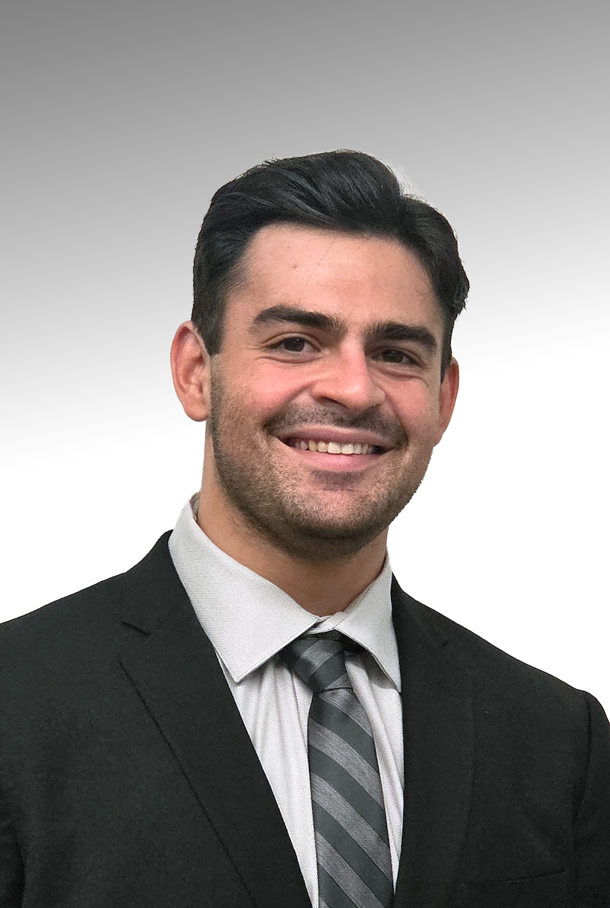
Dante Botti’s construction career began by gathering up scraps of linoleum from a Massachusetts high school gym floor.
During the COVID-19 pandemic, Botti, then a college student, joined Sweet Group as a laborer to help build a temporary hospital. The team had a week to install flooring, hang curtains and prepare beds.
“If this is my small way to contribute and get this hospital moving, then who knows, we could save a couple of lives,” Botti recalls.
The job became a career. Botti moved up from laborer to plan clerk, estimator and assistant project manager before becoming a project manager, taking on increasingly complex work along the way.
His portfolio now spans commercial, residential and public sector construction, including New York City Housing Authority renovations, an $8 million office and production facility build-out for Viventium at the Brooklyn Navy Yard, renovations at the Wyndham Condominiums and work on Lafayette 148’s corporate headquarters and manufacturing spaces.
At the Wyndham, staffing challenges sometimes had Botti estimating, supervising the site, coordinating meetings and doing labor himself. Seeing residents use the finished space made the late nights and lost sleep worth it.
Botti spends some weekends in another arena: the professional wrestling ring, as Dante Drago, sometimes with two weekend shows following five days of construction work.
Now expanding further into public works, Botti wants to build teams capable of taking on projects across New York City.
“I’m very fortunate to be working in a field that I love in a city that I call home,” Botti says.
– A.B.
Geoff Burgan
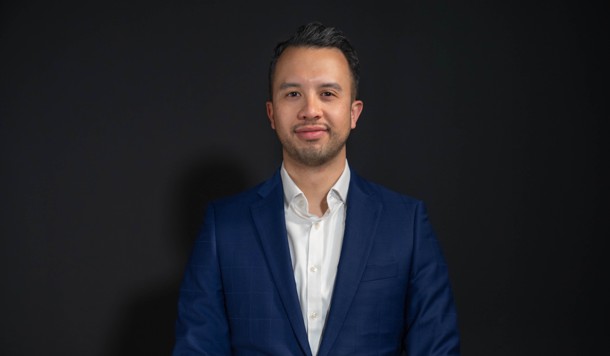
Growing up, Geoff Burgan imagined two possible futures: becoming a football writer for The Washington Post or becoming an attorney. In some ways, he ended up splitting the difference.
After more than a decade working on campaigns, in Congress and in the federal government, Burgan now is a trusted aide to state Attorney General Letitia James, helping oversee communications, policy and legislation. His job, he says, sometimes means playing “a little bit of free safety” – keeping an eye across the field and knowing when to jump in.
Burgan arrived in New York after leading communications for the Biden administration’s CHIPS program, an effort to boost domestic semiconductor manufacturing that invested billions of dollars across the country.
Earlier campaign work taught him to “dig deep, get creative, get tough, not be afraid to fight,” he says, while keeping the larger objective in mind.
That mentality carried into this year’s fight over surveillance pricing, the practice of using consumers’ personal data to charge different prices for the same goods or services. Burgan helped build support for state legislation restricting the practice. Despite an intense lobbying fight, the measure passed both houses of the state Legislature in June.
For Burgan, the fight illustrates what drew him to state government after years in Washington, D.C., where congressional gridlock can make progress difficult.
Working for James, he says, “You can go out and take on the biggest fights, the biggest challenges, the thorniest, stickiest issues, and you can win.”
– A.B.
Tyler Callum
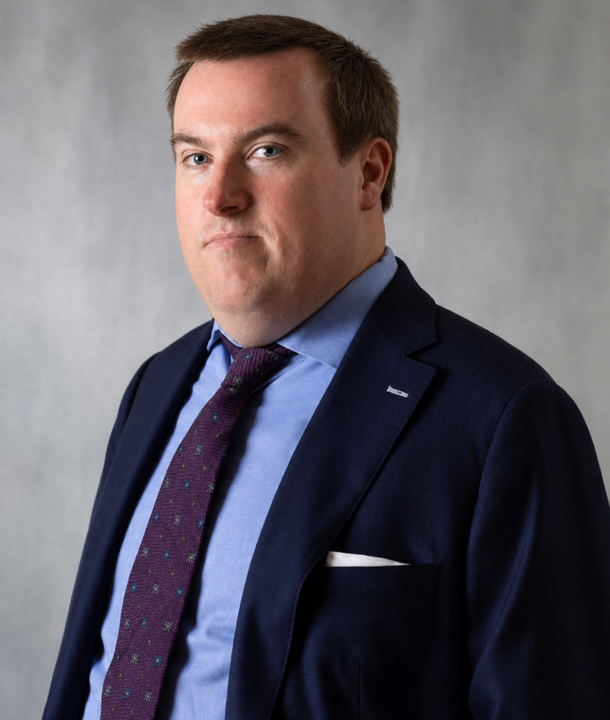
Tyler Callum first confronted the problem of lead pipes at an elementary school in Baltimore. As an intern in 2014, Callum learned the Eutaw-Marshburn Elementary School had lead pipes and could not replace them.
Years later, he helped pass a law in New Jersey aiming to replace lead pipes. As deputy chief of staff and communications director to New Jersey Assembly Member Gary Schaer in 2021, Callum helped advance the statewide lead remediation law.
In 2024, he joined the New York public affairs firm Geto & de Milly, where he addresses a different set of community needs. He is part of the outreach team for 100 Gold St., a project poised to deliver thousands of mixed-income apartments, and supports affordable housing clients, including Grand Street Guild.
“If the community is engaged, they’re going to participate in the life of a project, contribute their ideas and influence the outcome for the better,” Callum says.
Callum is also helping Reliance Industries Limited identify and secure a home for MI New York, the region’s professional cricket team.
Sports carry personal meaning for Callum, a lifelong Philadelphia Phillies fan who shares that allegiance with his father and grandfather.
“Sports, at its best, gives people real joy and a sense of community,” Callum says. “My family is a sports family, and that fandom, love and excitement obviously creates bonds between generations and ties communities together.”
Whether through housing or sports, Callum sees engaging communities early on as essential to making projects work for the people around them.
– A.B.
Maddie DeCerbo
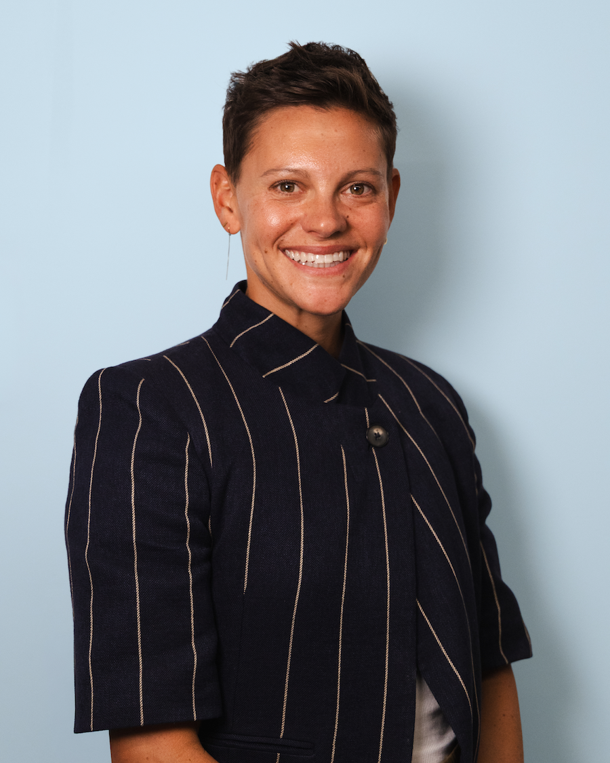
Maddie DeCerbo never expected to build a career around zoning.
After studying public policy, DeCerbo spent almost a year in Australia and traveled through Europe. She noticed how cities differed, from public transportation and bike infrastructure to the use of outdoor space. Back in Philadelphia, her frustrations with local transit piqued her curiosity about how cities are planned.
Her introduction to zoning came as an analyst at a startup, where she read hundreds of zoning ordinances and recommended designations for uses that were not typically defined.
“This experience sparked my interest in zoning because it affects every aspect of planning – land use dictates the built environment,” DeCerbo says.
That led her to pursue graduate study in urban planning and eventually land at the Real Estate Board of New York, where she is now senior director of land use and planning, focusing largely on city land use reform.
She plunged into the minutia of New York City’s City of Yes zoning reforms, reading thousands of pages of zoning text, meeting regularly with the Department of City Planning and learning from land use professionals familiar with earlier versions of rules that were being rewritten.
“One or two words can really change how something’s interpreted,” she says.
DeCerbo has since expanded her work into building codes. She also joined the New York City Council’s Advisory Group on Housing Affordability this summer.
“It’s not always easy work,” DeCerbo says. “But really understanding the details behind what’s happening is impactful.”
– A.B.
Christopher Dioguardi

While some college students spend spring break partying, Christopher Dioguardi spent one interning for a state Supreme Court justice.
He liked how the law made him think. The former college soccer player also found somewhere to channel his competitive streak.
Dioguardi, who went on to complete his law degree at Georgetown Law, took a case early in his career in which he helped reverse a client’s wrongful conviction and avoid a 12-year prison sentence. Senior attorneys trusted him with responsibilities ranging from defending a technology CEO’s deposition to leading portions of a major bank monitorship. He now extends that same trust to junior attorneys.
“That’s helping solve problems, getting people out of a jam, being the one that someone can turn to,” Dioguardi says of what draws him to the work.
At Walden Haran Williams, Dioguardi now represents companies, executives and boards in consequential disputes, including Maimonides Medical Center in litigation surrounding its proposed affiliation with NYC Health + Hospitals. He also co-authored the 2027 edition of ALM’s New York Employment Law.
As chair of his firm’s artificial intelligence committee, Dioguardi leads its efforts to responsibly adopt AI and improve its legal work. Dioguardi sees AI changing how lawyers work, but not what clients ultimately need. His goal is to become someone clients trust before a crisis reaches a courtroom.
“I want to build a practice where clients are calling me,” Dioguardi says, “not just when they have a problem that they need to solve, but when they have important decisions to make.”
– A.B.
Emily Dube
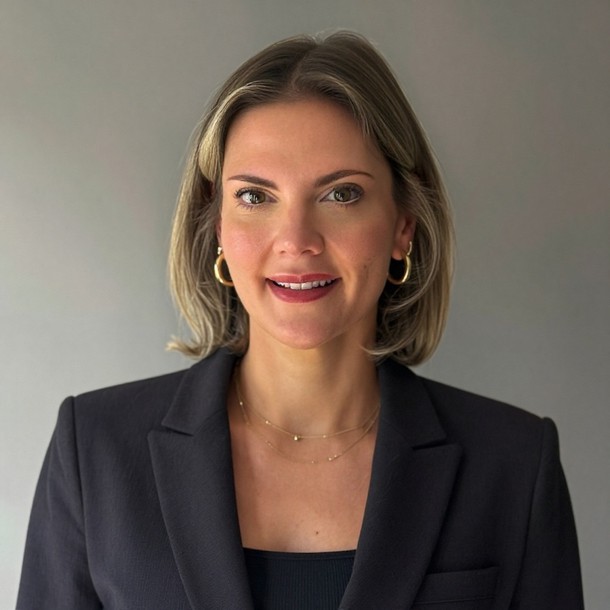
Emily Dube supports critical technology many New Yorkers rely on, from electronic health records in state psychiatric facilities to modernization projects in government.
“I found myself naturally in that position, almost like a translator between the technical side and the people who ultimately need to use the technology,” Dube says.
Dube came to technology through healthcare. She coordinated clinical research at NYU Langone Health while earning a master’s degree in biomedical informatics and then joined the New York State Technology Enterprise Corp. in 2021. At NYSTEC, she has analyzed data and quality initiatives for the state Office of Mental Health.
As her responsibilities grew, so did the challenges she was responsible for solving. Dube now helps lead multidisciplinary teams across several of the state Office of Mental Health’s major modernization efforts, including electronic health records, application modernization and the health information exchange.
On the electronic health record project, her teams tackle data quality, project management, organizational change and implementation readiness. The goal is practical: help clinicians find the information they need and document care without having to navigate outdated technology.
In New York City, Dube has been supporting projects with the city Department of Health and Mental Hygiene and the Housing Development Corp. while building relationships across city government.
“I’ve always had a natural curiosity about how things work and, more importantly, why they work the way they do,” Dube says.
Her career has increasingly put her in a position to answer another question: how to make those systems work for the people relying on them.
– A.B.
Luis Flores
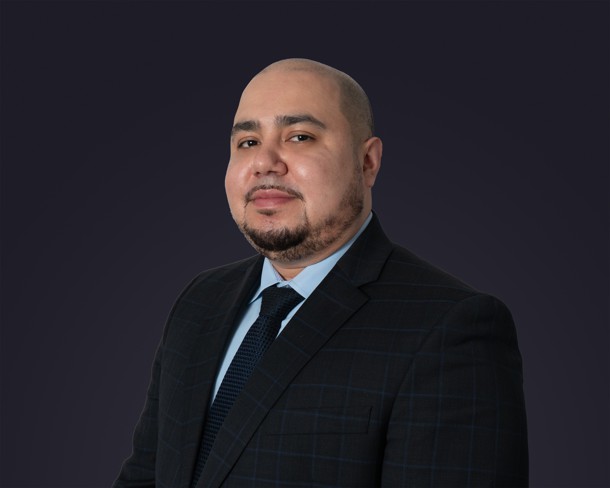
Luis Flores was a preteen when he watched construction on the AirTrain begin near his South Jamaica, Queens, neighborhood. Now, as John F. Kennedy International Airport is in the midst of a redevelopment, Flores is helping to make sure businesses and residents from the surrounding communities aren’t simply standing by while another major infrastructure project rises around them.
“This major redevelopment is once in probably 40 to 60 years,” Flores says. “You’re not going to see this again for a while.”
As a senior program manager at HNTB, which oversees the JFK Airport project, Flores manages stakeholder communications, community outreach, and diversity and inclusion efforts. His team has built an outreach model that goes beyond simply sharing opportunities. Through the Port Authority of New York and New Jersey’s JFK Airport Institute of Concessions, local and diverse businesses receive training and opportunities to connect with the industry as they prepare to compete for airport vendor slots.
Flores never planned to be involved with infrastructure. He considered finance or law, but a mailroom job at the New York City District Council of Carpenters Benefit Funds put him on the path toward construction and public contracting. In other jobs, he learned about government procurement for minority- and women-owned businesses.
“The people who live in that community are the ones that are most impacted,” Flores says. “They should be able to also get benefits from the dollars that are being invested.”
For Flores, success means that businesses grow, residents find careers and “we left something behind that lasts beyond the project itself.”
– A.B.
Patrick Gilligan
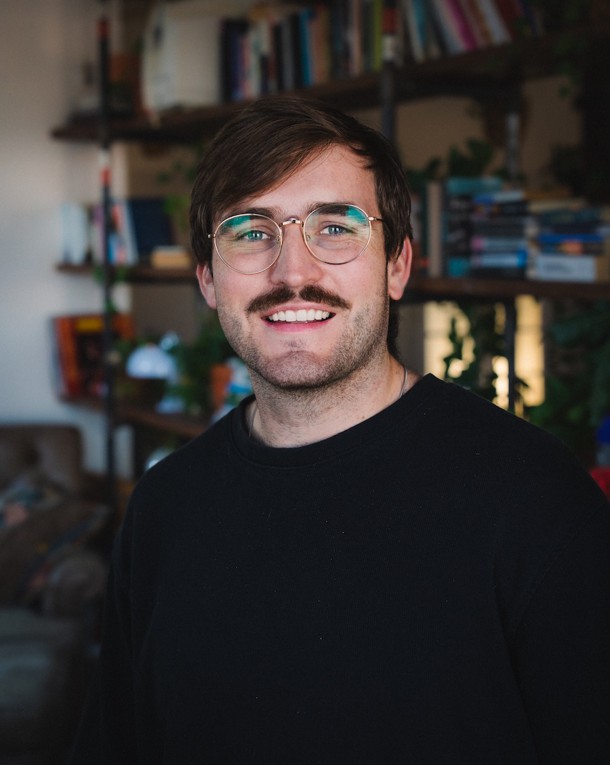
Patrick Gilligan dropped out of a Stanford University graduate program where he was studying artificial intelligence to build a mental health company. He had found that struggling teenagers wanted something AI couldn’t provide: someone who understood them.
After overcoming an eating disorder as a teenager, Gilligan was deeply interested in youth mental health. In 2022, the scale of the crisis convinced him to build a new kind of mental health experience for young people.
So he launched Somethings, which pairs young people with certified peer specialist mentors with relevant lived experience. The New York City-based company has reached thousands of young people and caught on quickly. In North Carolina, for example, it served more than 11,000 young people across 97 of 100 counties within a year.
Gilligan remembers one teenager who was hospitalized for suicide attempts and worked with a mentor for six months. The teenager said if her mother, psychiatrist, therapist and mentor all gave her advice, she would listen to her mentor.
“I trust that she actually understands what I’m going through,” Gilligan recalls her saying.
That experience reinforced Gilligan’s belief that “kids want more human interaction, not less.”
The responsibility that comes with tackling the youth mental health crisis is not lost on Gilligan. “The weight of the work does impact me,” he says. “However, the weight of not being there impacts me more because most of the kids who use our service, it’s their first touchpoint into any mental health care or mental wellness support at all.”
– A.B.
Ty Hankerson
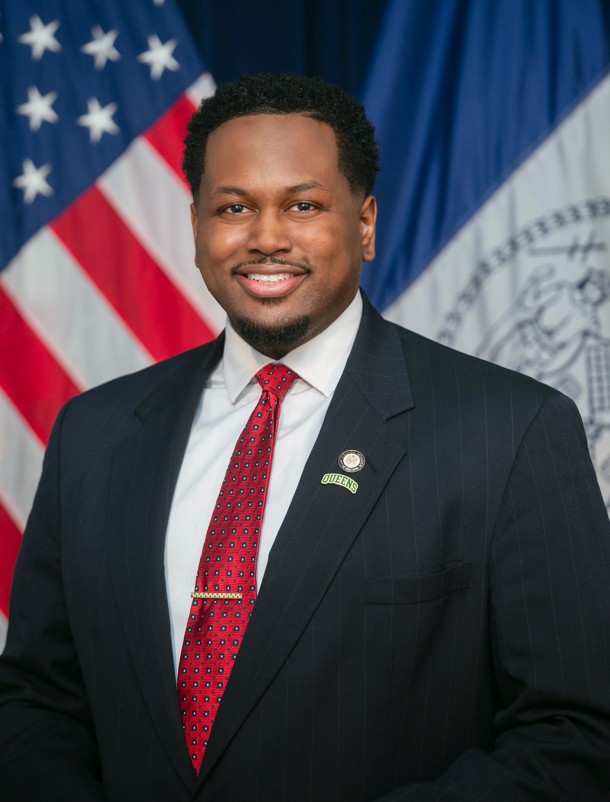
One of Ty Hankerson’s future constituents had a nickname for him back when he was district chief of staff for then-New York City Council Speaker Adrienne Adams: “Council Member Junior.”
While he was always aware of who the boss was, Hankerson says Adams gave him wide latitude to carry out his responsibilities.
“I consider myself creative, and one of the things that she said to me when she first hired me – it stuck with me all the way into the chief of staff role – was, ‘Ty, the district is your canvas, go paint.’ And ever since then, I’ve been painting,” he says.
Hankerson was elected to Adams’ old City Council seat in Southeast Queens last year after working his way up in Adams’ office, where he started as scheduler. He jokes that the scheduling job was the hardest one since Adams was a “stickler for her schedule,” and he had to balance many demands in a finite amount of time.
“I actually think chief of staff was easier than being her scheduler,” Hankerson says with a laugh.
Chairing the Parks and Recreation Committee is a full circle moment for Hankerson, who started his career with the Southern Queens Park Association as a camp counselor. He lists getting $29.1 million in baseline funding for parks department workers as one of his top accomplishments since taking office in January.
“That was a huge, huge win for us,” he says. “So these first eight months have been amazing.”
– John Celock
Drisana Hughes
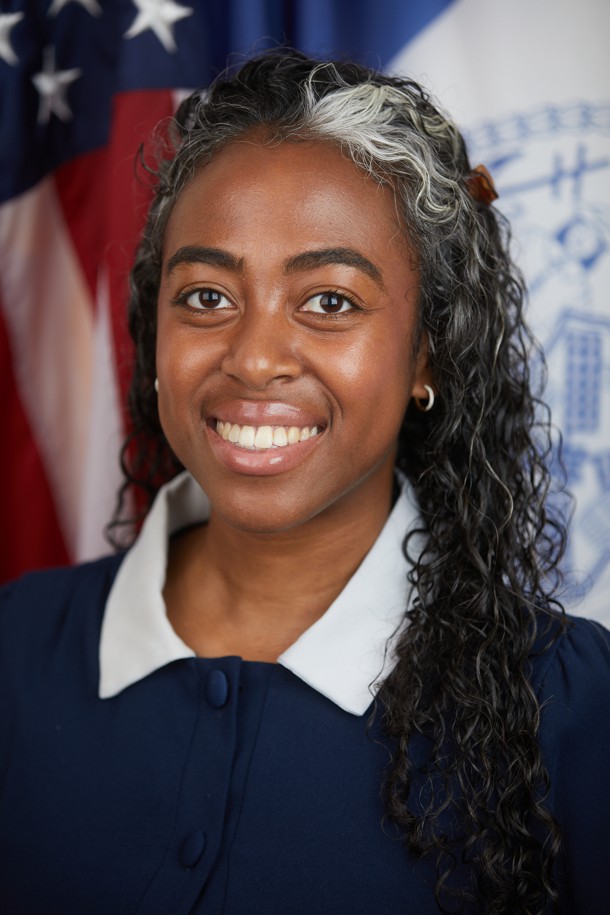
When Drisana Hughes brought her grandparents into the White House, the moment was heavy with her family history.
Hughes traces her lineage back to Wormley Hughes, who was enslaved by Thomas Jefferson at Monticello. Centuries later, Drisana Hughes served in the White House as a Biden administration policy staffer on economic mobility as well as racial justice and equity.
“That was a very full circle moment for my family and for me,” Hughes recalls of the visit.
Now in the state Attorney General’s Office, Hughes helps coordinate policy and public-facing initiatives. She is particularly proud of her role in election protection efforts by leading internal teams partnering with election administrators and advocates, supporting voting rights attorneys and helping develop public guidance.
She also built her career in electoral politics. She served as deputy campaign manager for Alvin Bragg’s 2021 Manhattan district attorney campaign before managing India Walton’s 2021 campaign for Buffalo mayor.
Hughes later served as Brooklyn borough commissioner for the city Department of Environmental Protection, engaging with communities facing long-standing environmental problems. In East New York, Brooklyn, she answered residents’ questions and was transparent about what the agency could address and when. Some residents still have her number, and she picks up when they call.
“That’s just human to human, the way you should deal with people,” Hughes says. “You have to really care outside of the job, and people have to feel that.”
Hughes wants to keep “unsticking sticky things” in government and solving problems for those who come next.
– A.B.
Francesca Iodice

Francesca Iodice learned as a bartender that solving someone’s problem starts with understanding what they actually need.
She traces her professional approach to a decade in food service and bartending, where “people show up as they are.” Working among people of different backgrounds, ages and circumstances taught her how public policy ultimately “lands on the ground.”
That experience shaped how she thinks about leadership – and taught her to invest in the people around her rather than trying to accomplish everything herself. “If you think you can achieve your goals on your own, you probably need bigger goals,” Iodice says.
Now at the government affairs firm Urban Strategies, Iodice manages staff and client portfolios while developing strategy and supporting advocacy across projects spanning workforce development and addiction services.
For the community development corporation Impacct Brooklyn, Iodice is helping design a workforce program for justice-involved, neurodivergent and other underserved New Yorkers in East Brooklyn. Her work has ranged from assembling program partners and shaping the curriculum to developing individualized supports around barriers to maintaining employment.
“If you just say, ‘Hey, show up to the classroom, do the training, go get a job,’ it’s just not reality,” Iodice says.
That approach also shapes her work with longtime client Phoenix House. Iodice supports strategy, government engagement and advocacy around the rehabilitation nonprofit’s programs, including an expansion of its outreach work funded through opioid settlement dollars. The funding will support additional peer advocates and a mobile unit bringing services directly into communities.
– A.B.
Jamie Kazi
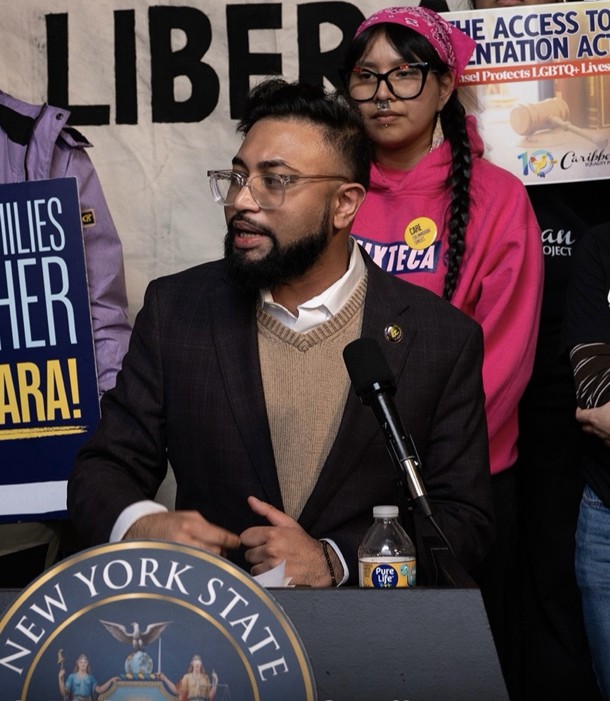
Growing up in Queens, Jamie Kazi saw how immigrant communities could turn organizing into political leverage.
“The way your community would be noticed is by organizing and building collective power,” Kazi says.
That lesson now informs his work as 32BJ SEIU’s state and federal political coordinator, where he oversees endorsements and political strategy for the labor union representing thousands of cleaners, property maintenance workers, security officers and staffers at schools, airports and food service companies.
This year, Kazi helped lead the union’s political strategy for Jessica González-Rojas’ successful state Senate primary campaign against incumbent Jessica Ramos, teaming up with other labor unions as part of the coalition backing the winner.
Before joining 32BJ SEIU, Kazi worked in the New York City Council during Adrienne Adams’ first term and for Assembly Members David Weprin and Catalina Cruz. As Cruz’s senior adviser and legislative and budget director, Kazi helped advance the Clean Slate Act and Wage Theft Accountability Act, building coalitions among criminal justice advocates, unions and private sector interests.
He has also held elected office himself as a Democratic state committee member representing Queens’ Assembly District 24.
At 32BJ SEIU, Kazi is now on the other side, helping turn the collective power of union members into political clout and legislative victories.
“Community is everything. That’s your family. Community is where we turn our shared experiences and values into a strong collective voice and make meaningful change,” Kazi says. “Through legislation, we can turn that collective voice into lasting, systemic change that improves lives.”
– A.B.
Thao Le

Thao Le has a hard time accepting an answer without asking one more question.
“I’m always questioning the status quo,” says Le, a director in KPMG’s Government Advisory practice. “When given an answer, my first instinct is, ‘OK, but why is that?’ – because getting to the root cause is how we create real change.”
Recently, that has meant questioning the processes a large public authority had relied on for more than 20 years.
Le led a cross-functional team of more than 70 people through a 16-month modernization of a legacy system. The project replaced manual data entry and paper-driven approvals with digital workflows, increased transparency, reduced payment processing time and data-driven reporting metrics.
It is the kind of behind-the-scenes work Le has carried out for more than a decade. She started out in New York City government, where she gained firsthand experience navigating the workflows, regulations and operational constraints of agencies. She also assisted with Superstorm Sandy recovery efforts while at the New York City Housing Authority.
Le later joined KPMG, where she now helps state and local agencies navigate large-scale business, financial and technological transformations.
That experience on both sides shapes how Le approaches her work. She thinks about what government employees are trying to accomplish and what constituents ultimately experience when those systems work – or don’t.
“My focus has always been on how we strengthen our public agencies,” Le says. “At the end of the day, we are all constituents who feel the direct, real-world impact of how well these systems work.”
– A.B.
Patrick Martinez
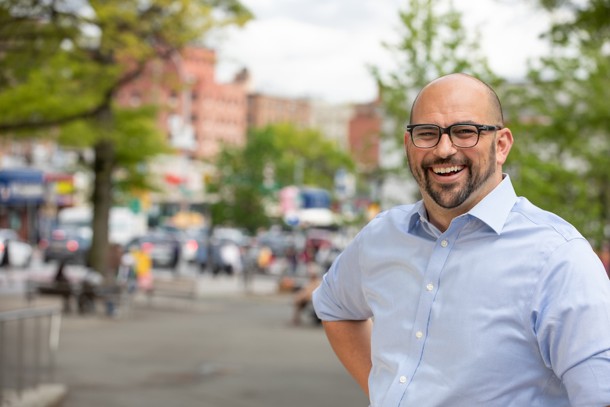
Patrick Martinez was once a typical 20-something in New York City working in the digital space. But unlike many peers, he had a “civic itch” to scratch.
“As I got older and I had capacity in my personal life with work, I wasn’t in the office till 8, 9 (p.m.) as I was in my 20s, I had some free time, and I figured to apply it in the community,” he recalls.
Martinez joined his local community board, where he focused on land use issues. This year, he decided to step it up a notch, entering the Democratic primary for an open Assembly seat in Queens.
Martinez, the nephew of former Rep. Joe Crowley, narrowly came out ahead in the pivotal June primary, besting his nearest rival by just seven votes. He says he’s driven to address climate and resilience issues, education policy, the Safe Streets program, mass transit and housing affordability. He wants to utilize his professional background in technology to focus on surveillance pricing, the impact of artificial intelligence and data protection.
To Martinez, education is not just a policy issue but a lived experience. After graduating from Middlebury College he moved to South Korea to teach English. In fact, before the Assembly seat opened up, he considered returning to the classroom.
“Ask any educator, it’s great to see the light bulb click over a child’s head or over a pupil’s head,” he says. “It’s just a really fulfilling job. I love teaching.”
– J.C.
Agatha Mavropoulos
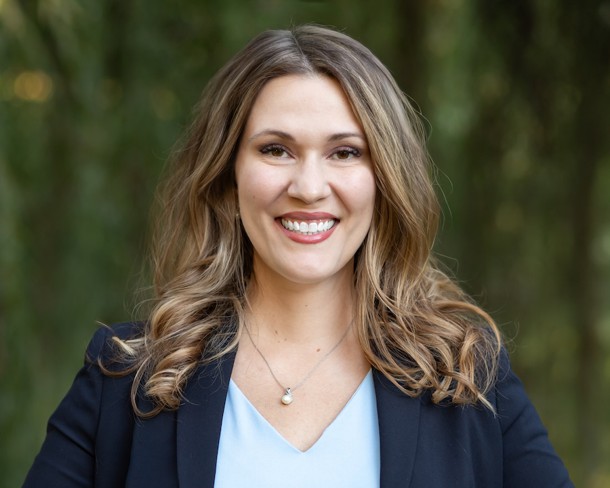
Agatha Mavropoulos started organizing voters before she was old enough to cast a ballot.
In third grade, she remembers calling classmates to urge their parents to vote for Al Gore and asking the kids to put their parents on the phone. “I was very politically engaged from a young age,” she recalls.
Years later, Mavropoulos completed law school and then spent more than six years on staff at the New York City Council, where she rose to senior legislative counsel before taking a policy role at the U.S. Department of Justice. Now legislative director and counsel for the influential New York State Trial Lawyers Association, she advocates for New Yorkers and for expanding access to the justice system.
At the City Council, Mavropoulos learned that telling policymakers why a proposal won’t work is only half the job. “You better have an alternative,” she says. “They’re looking for solutions.”
At NYSTLA, one current fight involves efforts to limit ride-hailing companies’ liability for drivers’ actions. Mavropoulos sees the issue as bigger than any individual case. Holding companies accountable, she argues, can also prod them to take steps to prevent future harm.
Standing up for the little guy is personal. Growing up, Mavropoulos watched her immigrant parents work long hours running a restaurant in New Jersey while still struggling financially, making her question the idea that hard work alone guarantees opportunity.
What’s different now, she says, is this: “I’m in a position where I can actually do something about it.”
– A.B.
Tyler McCormick
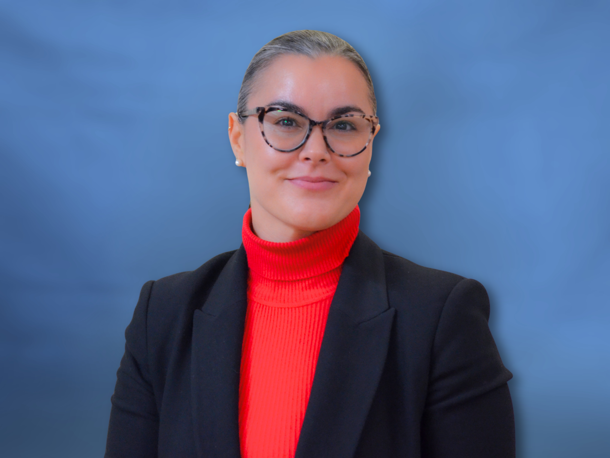
When Tyler McCormick was working for the Association to Benefit Children earlier in her career, she developed a connection with a teen who recently emigrated from Senegal.
At the time, the association only had programs for young children, so the teen didn’t have a group he belonged to. Seeing a need in the community, McCormick was inspired to establish teen programs for him and future generations of teenagers.
It’s meeting needs in this way that motivates McCormick to work with and for young people.
“Creating spaces for young people to feel cared for and like they matter, that to me is the point,” she says.
Currently, McCormick is the chief of staff and strategy at BronxWorks, a social services and housing nonprofit that served nearly 66,000 residents last year. She oversees the organization’s strategic planning, organizational effectiveness and collaboration with various partners. While she’s no longer working directly with young people, she knows at the heart of nonprofit administration is the goal of better serving the entire community.
McCormick joined BronxWorks in December 2025, coming from affordable housing nonprofit Phipps Neighborhoods. Previously, she worked at the New York City Department of Youth and Community Development, CAMBA and the Youth Development Institute.
“That’s always what inspires me: What are we building for young people and for families? How are we creating spaces where folks feel a sense of belonging and feel like they have access to new opportunities, access to economic mobility? That’s always what drives me,” she says.
– Amanda Salazar
William Miller
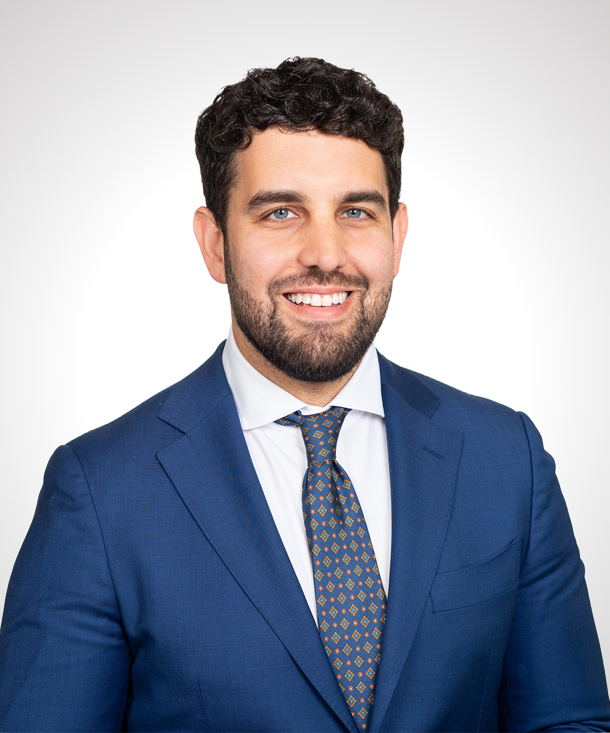
William Miller went to Prague looking for adventure, and came back on a path toward political communications.
After graduating from Wesleyan University with an English degree, Miller moved to the Czech capital, where he taught English and later worked in marketing and copywriting. He stayed for three years before returning to his native Miami, where the aspiring writer was considering journalism. But the 2016 presidential election changed his trajectory.
Miller landed an entry-level press job on Hillary Clinton’s Florida campaign and found it an unlikely fit. Political communications combined his interest in storytelling with the competitiveness and sense of purpose he had found missing in corporate marketing. After working on Philip Levine’s 2018 gubernatorial campaign in Florida, Miller joined Mercury, eventually moving to the public affairs firm’s New York office.
Now a senior vice president, Miller works across industries and political campaigns, with much of his work involving opposition research. He likens oppo to investigative journalism: researching issues and candidates’ records, finding the narrative in the facts and communicating it effectively.
His work keeps him learning. “You’re always a student of the world,” Miller says.
He’s particularly proud of helping the family of Ruben Ray Martinez, who was killed by a federal immigration agent last year. Miller has elevated the family’s story as they pursue justice and accountability. “It’s one of the more meaningful things I’ve worked on,” he says.
Even with experience, Miller says communications remains unpredictable. “Anyone who says it’s an exact science,” he says, “is just selling fool’s gold.”
– A.B.
Chantella Mitchell
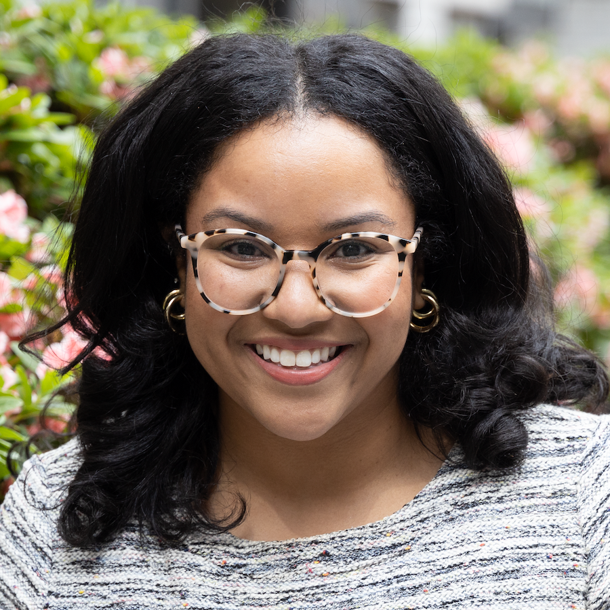
Long before Chantella Mitchell began tackling New York City’s affordable housing crisis, she sat across from the people living with its consequences.
As a Columbia University social work student serving in a family shelter, Mitchell met New Yorkers who had grown up in the city but were being priced out of their neighborhoods.
“That was the first kind of spark of, ‘Hey, this could actually be a systems thing, or this could be a policy thing,’” Mitchell says.
Since then, Mitchell has approached the problem both from city government and philanthropic perspectives. She was an executive director in the Office of Development at the New York City Department of Housing Preservation and is now at the New York Community Trust, where she supports nonprofits focused on affordable housing, tenant organizing and workforce development.
“Gratitude is the word I think of most often,” Mitchell says of her work at the community foundation.
In February, Mayor Zohran Mamdani appointed Mitchell chair of the New York City Rent Guidelines Board, which went on to approve a rent freeze that Mamdani had campaigned on. Mitchell reviewed research on the city’s housing market and heard testimony from hundreds of New York City renters and owners. Mitchell says those perspectives gave greater context and meaning to the data, drawing on the listening skills she developed through social work.
Working on problems that may take generations to address has taught Mitchell to take the long view. “What I am working toward today, it might come in 100 years,” Mitchell says, “but it’s coming.”
– A.B.
Katie Nilsen
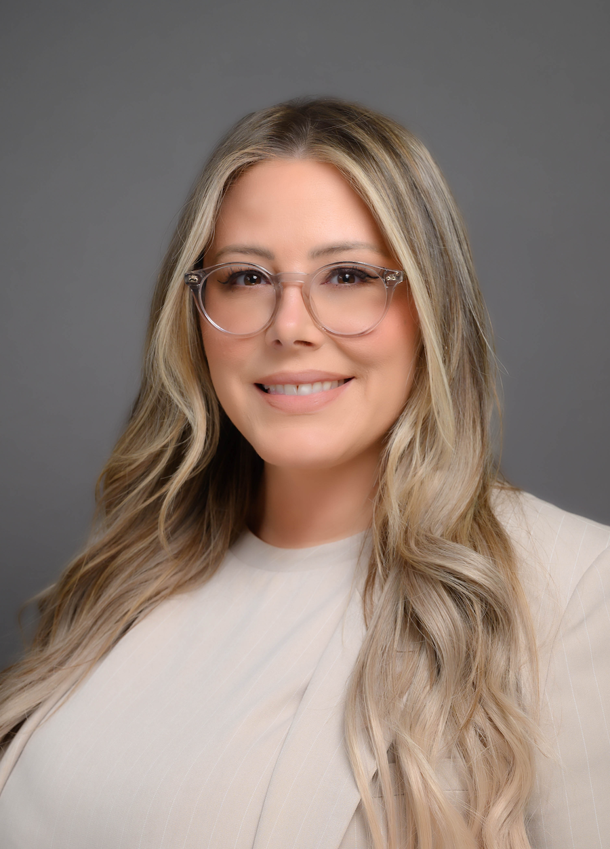
When Katie Nilsen first encountered the electrical construction industry as a sixth grader, she barely saw any women, and didn’t view construction as a possible career path.
Years later, Nilsen is a key official at E-J Electric Installation Co. and board president of Professional Women in Construction New York.
It wasn’t a direct path into construction. After studying communications and media in college, Nilsen worked at Bloomingdale’s, where she was tasked with turning around underperforming areas of the store. She approached each segment like a small business, focusing on “people, process and presentation” to make them profitable.
After someone suggested those skills could translate to electrical construction, Nilsen took an entry-level interview at E-J.
“This is crazy, but I’ll go,” she recalls. She got the job and stayed on.
Over the next decade, Nilsen watched E-J grow tenfold, from a regional contractor into a national operation. She helped advance major projects, including the Queens-Midtown Tunnel rehabilitation and electrical upgrades at the Robert F. Kennedy Bridge.
Before she became president of its board, Professional Women in Construction New York gave Nilsen her first committee leadership opportunity. She later helped create its mentorship program and now is focused on bringing emerging and experienced professionals together.
Her next big goal is to continue climbing the corporate ladder at the company where she’s already worked for a decade. “I definitely have my eye on running the organization one day, which is definitely a stretch goal,” Nilsen says. “But let’s get it.”
– A.B.
Carlos Ortiz
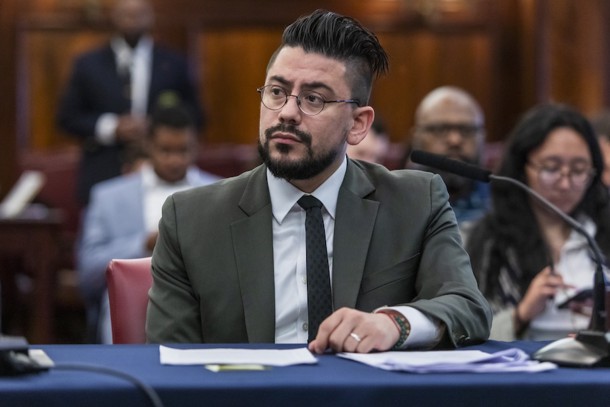
Carlos Ortiz got into politics thanks to a Craigslist ad.
Ortiz was working what he calls “dead-end office jobs” when he ran across a posting for a Spanish-speaking community liaison in the office of then-Assembly Member Brian Kavanagh. “I said, ‘I can do that,’” Ortiz recalls. The job, he says, changed his life. Helping constituents navigate government services demonstrated to Ortiz what public service looks like on a practical level.
In 2015, he entered the University of Chicago’s international relations master’s program and considered a career in academia, but he found himself missing government work. At the time, he told The Chicago Maroon about the satisfaction of helping someone get even $20 more in food stamps, an increase that could make a meaningful difference in their weekly budget.
That focus on concrete impact makes Ortiz a good fit at the New York City Department of Consumer and Worker Protection. Since joining DCWP as director of community affairs in 2016, Ortiz has worked on efforts spanning minimum pay and deactivation protections for delivery workers, compensation and benefit standards for security guards, hotel worker protections, expanded street vendor licensing and reforms to reduce licensing burdens on small businesses.
Even when a particular fight doesn’t go his way, Ortiz says, the work can mean “actual money that goes back to people and new laws that are working for people.”
For Ortiz, it comes down to “regular people, regular workers and thinking how do we make their lives better concretely.”
– A.B.
Ashley Petersen
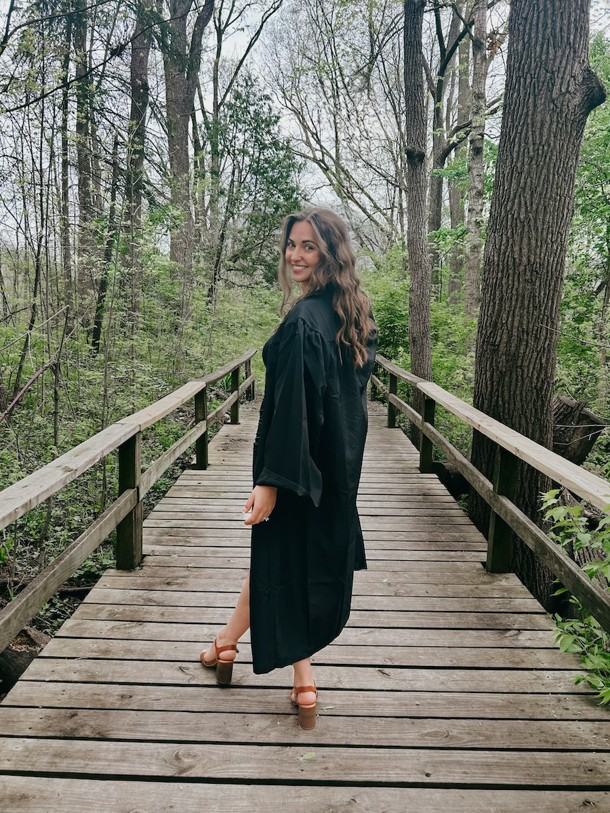
When Ashley Petersen was a senior in high school, she developed transverse myelitis, a rare neurological disorder. While in the hospital, she was misdiagnosed as having leukemia and encountered some nurses who seemed to be “there for a paycheck.”
This experience drove Petersen to go into the medical field, so she could make a difference and positively impact people. She joined the Parker Jewish Institute for Health Care and Rehabilitation as a registered nurse in August of last year as her first job out of college.
“I knew in that instant I wanted to go into healthcare, I want to be that change,” she says. “I want to come alongside families and bring comfort and just be that difference and be that light.”
After coming to the Parker Institute, Petersen was quickly promoted to head nurse and then to assistant director of nursing, the title she currently holds.
“When they first offered me this position, I kind of thought they were crazy,” she says. “But I guess it means I’m doing something right.”
Being promoted to a leadership position at such an early age, Petersen admitted to wrestling with feelings of not being ready, but eventually realized she can grow into her role with support from colleagues.
“I realized I can trust what I learned and continue building on it and continue to rise to the challenge,” she says. “I often fought with the misconception that you have to wait until you feel 100% prepared to take the next step.”
– A.S.
Darolyn Pierce
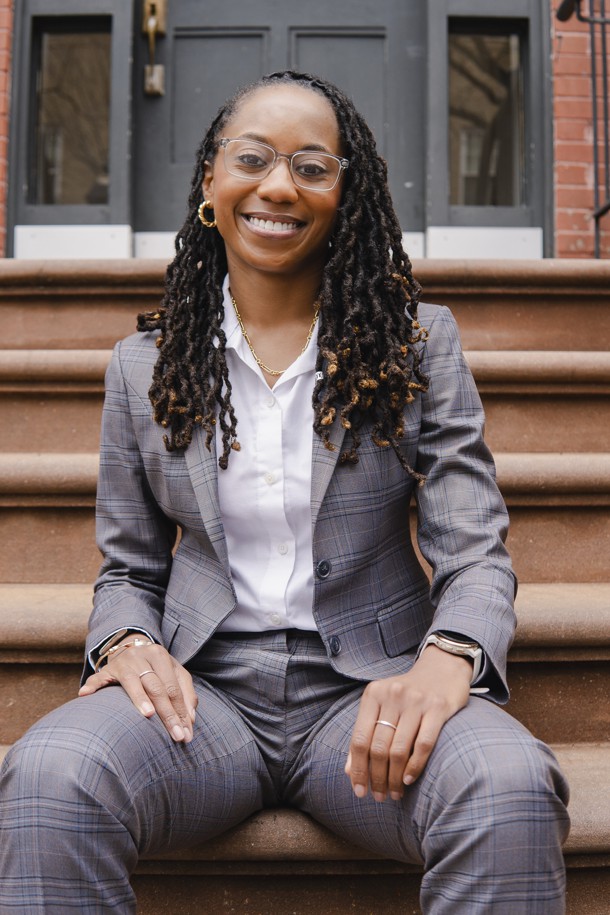
Darolyn Pierce always knew she wanted to work in sports. Figuring out exactly what she wanted to do took some experimenting.
At Baylor University, Pierce gave sales, sponsorship and analytics a try through the school’s sports business program. Sales and sponsorships quickly lost her. Analytics clicked.
Now vice president of data analytics and insights at Brooklyn Sports & Entertainment, Pierce leads a 12-person team supporting the Brooklyn Nets, New York Liberty, Barclays Center and other businesses across the organization.
When Pierce arrived, the business intelligence team primarily served revenue-generating departments. She set out to make it an enterprisewide operation and provide value to teams across the organization.
“I built a team that people trust, that’s effective and can bring data-driven insights to the organization that people use to drive actions, to drive the bottom line, to move revenue,” Pierce says.
Now, she is pushing that model further. Her team is developing self-service analytics and experimenting with generative and agentic artificial intelligence, with Pierce describing the goal as turning the capacity of 12 people into 24 or even 36.
Her management style also draws from sports. A former athlete and Baylor women’s basketball student manager, Pierce says being coached and watching high-level coaches shaped how she thinks about motivating people and getting the best out of a team.
What keeps her interested is the constant change.
“I don’t like being put in a box,” Pierce says. “Any time I feel like I’m in a box, I get antsy.”
– A.B.
Evelyn Pope
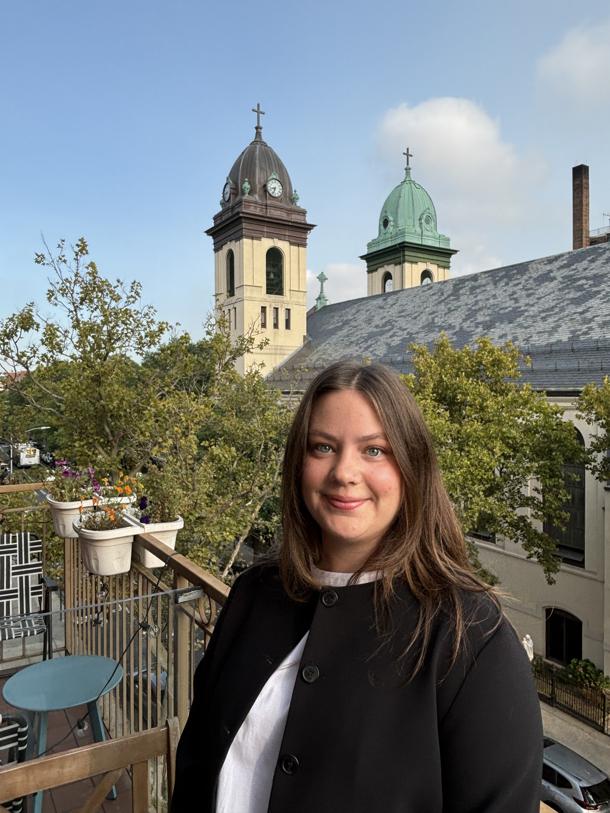
Evelyn Pope’s job begins with what a nonprofit wants to change and a deceptively complicated question: How do you get government to act on it?
As director of nonprofits and community engagement at CMW Strategies, Pope helps turn priorities into policy and funding strategies for arts, education, healthcare, social services, parks, victim services and criminal justice organizations.
“I really like being on the generalist side of things,” Pope says. “I enjoy working on different issues and having no two days be the same.”
Arts education is one key focus for Pope. Through the New York City Arts in Education Roundtable’s “It Starts with the Arts” campaign, Pope has pushed for greater transparency around city arts education spending, increased funding and improvements to Department of Education contracting.
The daughter of two educators, including a father who was her high school chemistry teacher, Pope built an early career in politics, interning with Planned Parenthood and the United Nations Population Fund and then working on New York campaigns and George Gascón’s campaign for Los Angeles County district attorney.
Pope asserts that success in New York politics depends on building genuine relationships, rather than getting to know people only when you need something.
At a school performance put on by an arts education organization she supports, Pope saw the other end of that work. Students sang Olivia Rodrigo songs and played ukuleles.
“This is something that I helped bring to life,” Pope remembers thinking. “This is incredible.”
– A.B.
Hamilton Raymond
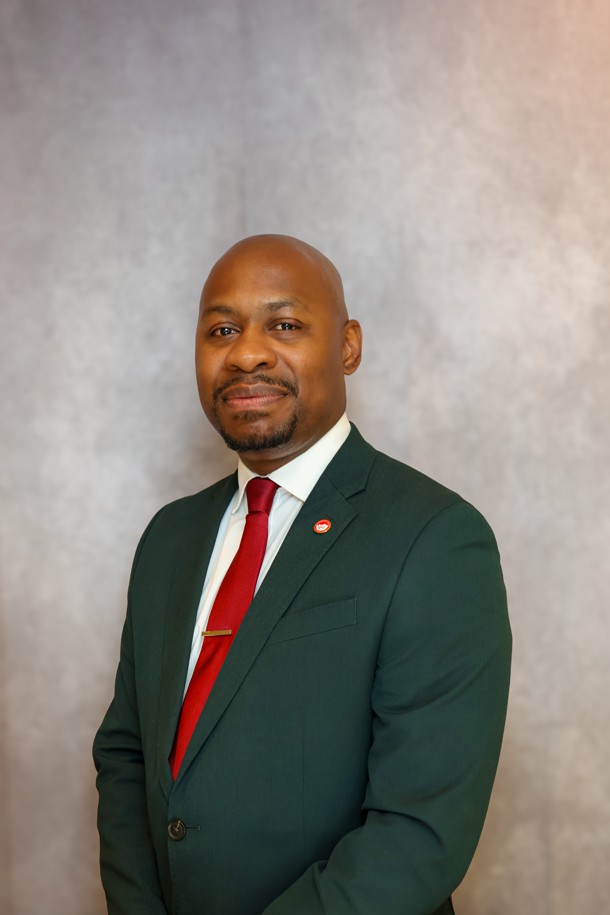
Hamilton Raymond’s duty is to help people understand how higher education can be a path forward, especially for young people living in underserved communities like the one the Brooklyn native grew up in.
“I was supposed to be a statistic where I come from, but I realized the one passion I had was for learning,” he says. “I took that and ran with that and in doing so, a lot of opportunities have opened up for me.”
Raymond is now vice president for enrollment management and student success at the Metropolitan College of New York, where he is charged with recruiting and retaining students. He oversees admissions, registrar, bursar, financial aid and student success.
Importantly, Raymond is striving to boost the enrollment and retention of young Black men, something he delved into in his book, “Invisible Men: Disappearance of Black Men in College.”
He also established empowerment recruitment initiatives at MCNY and elsewhere, using a holistic approach to recruiting young men of color to higher education.
Looking forward, Raymond is hoping to become college president in the future and is interested in running for political office later in his career.
“I think I’ll be able to make some significant changes in the higher education institution to help service those that are underserved, and really show a path that this is attainable for all, and not just a selective few or those that are the top performers,” he says. “There is a classroom for everyone who desires to go to it.”
– A.S.
Amanda Rodriguez

Amanda Rodriguez was organizing protests before she could vote. Her high school superlative tagged her as “most likely to organize a protest.”
After the deadly Parkland high school shooting in 2018, Rodriguez helped organize a gun safety walkout at her rural New York school. The entire K-12 student body participated, followed by a gathering with voter registration, music and conversations.
“I always think it’s really important to be able to just engage everyone on the issue,” Rodriguez says, “but also create a space where people can feel heard.”
Now at the National Association of Social Workers’ New York chapter, Rodriguez advocates for 62,000 social workers statewide. She drafts legislation, lobbies lawmakers and organizes members around priorities before the state Legislature and New York City Council.
One NASW-NY objective is strengthening loan forgiveness as the profession faces a workforce shortage. Rodriguez has advocated for expanding eligibility and directing assistance toward geographic areas with provider shortages. Growing up in a rural community, she saw what limited access can mean when residents have to travel more than an hour for care.
Rodriguez also created a weekly Policy Corner newsletter to keep social workers connected to advocacy opportunities and helped launch the “Power of Social Work Podcast.”
At one Capitol Action Day, a student told Rodriguez she hadn’t realized how much power her voice had, or how her experiences could shape policy.
“When you actually see the work being done,” Rodriguez says, “advocacy becomes an itch that you can’t stop scratching.”
– A.B.
Jake Rosenblum
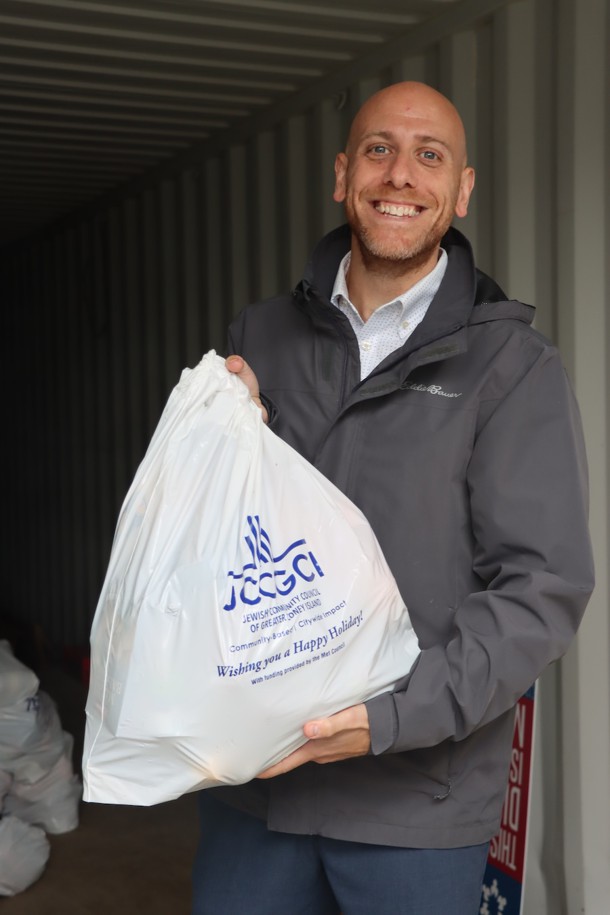
When Jake Rosenblum joined the Jewish Community Council of Greater Coney Island, he was tasked with an unusual assignment: build out the development operation for the more than 50-year-old social services organization while keeping its programs running.
“We’re building the plane while we’re up in the air,” is how Rosenblum describes his job.
As the organization’s inaugural director of development, Rosenblum is expanding the fundraising infrastructure that supports a team serving all five boroughs. Its programs include Club 2600, a monthly gathering for 125 to 160 Holocaust survivors to dine, dance and connect.
Rosenblum came to fundraising after working on the programmatic side of nonprofits, beginning as a youth adviser at Queens Community House. Having handled both programmatic and administrative work, he approaches development with clients and colleagues in mind.
He also emphasizes collaborative leadership. During his first week running a preschool program, he grabbed a mop after a child had an accident. A staff member remarked on seeing the center director cleaning up.
“I’m a big believer in not asking anybody on your staff to do something you wouldn’t do yourself,” Rosenblum says.
That approach carries into his current work. Rosenblum helped develop a Brooklyn Cyclones partnership that brought 15 Holocaust survivors onto the field to throw first pitches during Jewish Heritage Night. As one survivor departed, she thanked him and told him how much fun she had.
“Something as simple as that is what makes it worth it when you put your head on the pillow at night,” he says.
– A.B.
Raffi Salbashian
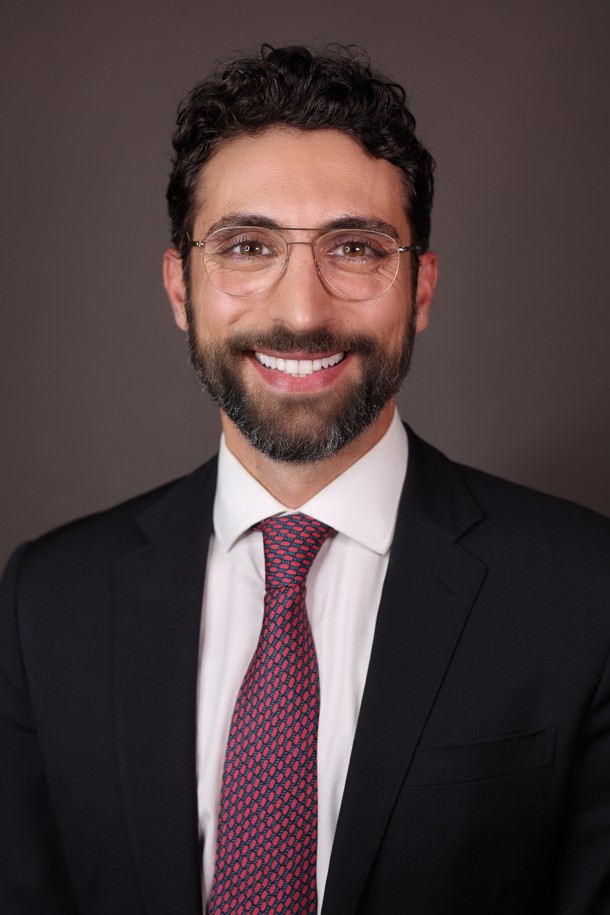
Raffi Salbashian’s grandparents escaped the Armenian genocide when they were young, part of a generation where a typical childhood filled with exploration and imagination was shattered.
This family history drove Salbashian to enter public service, with a focus on supporting families and children.
“My goal is to safeguard that for future generations, to allow kids growing up in the city with working parents to be well taken care of and looked after, and have everything they need to thrive,” he says.
Salbashian achieves that in his work with the Day Care Council of New York, which represents 120 early childhood education operators across New York City. His team helps provide legal, labor and employment services for member organizations, such as collective bargaining and compliance.
Earlier in his career, he worked at the Brooklyn District Attorney’s Office, where he prosecuted violent crimes as an assistant district attorney.
The cases that stood out to him the most were crimes against children. Salbashian was inspired to find work where he could proactively help children, not just punish offenders after the damage was done.
“It made me step back and want to impact kids in a way that was more preventative, that was more helpful and meaningful,” he says. “Impacting these people’s lives as early as possible.”
While he doesn’t work directly with children, Salbashian supports the staff that care for kids daily.
“I think that quality of education and programming is key to keep kids happy, keep kids engaged, keep kids growing and learning,” he says.
– A.S.
Thea Setterbo
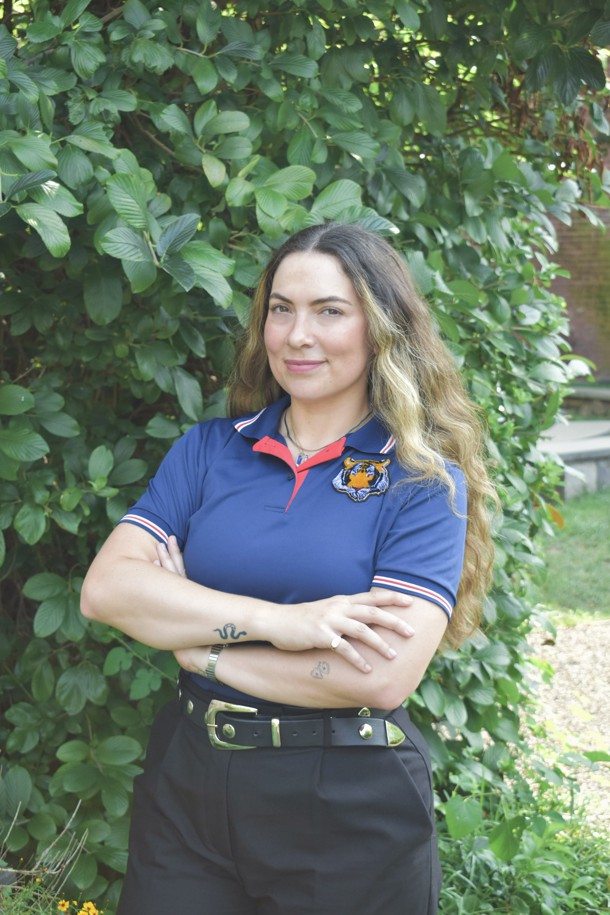
For Thea Setterbo, effective communication starts with a simple principle: People should be able to understand the institutions that represent them.
That idea has followed Setterbo from Texas journalism and local government to District Council 37, New York City’s largest public sector employee union, where she serves as director of communications. At DC 37, Setterbo has restructured the communications department, where she oversees everything from digital strategy to PEPtalk, the quarterly magazine delivered to more than 150,000 union households.
Her approach was shaped by earlier work in government communications in Austin and San Antonio, where her experiences with public participation, language access and crisis communications demonstrated the importance of meeting people where they are. Her goal of ensuring “government is accessible and transparent” is something she has carried into the labor movement.
Since joining DC 37 in 2022, she has driven member engagement around the union’s priorities. An online Day of Action campaign contributed to 97.7% member approval of its 2021-2026 citywide labor contract, while the union has recently seen record participation in its annual Albany Lobby Day. Setterbo also oversaw a mobile-first redesign of DC 37’s website.
A graduate of the Harvard Trade Union Program, Setterbo sees communications as more than broadcasting a message. It means finding the idea that will resonate and, drawing on her journalism background, “distilling the big idea into 300 words or less.”
That extends across political divides. “I love that opportunity to find the bridge that connects us to each other,” Setterbo says.
– A.B.
Kelly Sexton

Kelly Sexton got the call on a Wednesday: Legislation affecting International Union of Operating Engineers Local 30 apprentices was headed to the New York City Council, and she had only days to line up support.
Sexton, political director for the IUOE Local 30, had spent months working with the New York City Department of Buildings over counting apprentices’ training and work experience toward high-pressure boiler operating engineer licenses.
She secured 41 council sponsors, from both sides of the aisle. The law passed in 2025, allowing apprentices to count work and training concurrently and shortening their path to earning a license.
Sexton grew up in the labor movement. Her father and grandfather were both operating engineers. Now she’s shaping the future of the industry as New York transitions to renewable energy. Through Local 30’s involvement with Climate Jobs New York, a coalition of unions focused on the clean energy economy, Sexton traveled to the United Kingdom to visit a nuclear power plant under construction.
“We want to make sure that there’s a just transition of our workforce,” Sexton says.
Despite the international travel, Sexton’s focus remains close to home. As a member of Queens Community Board 8, she serves on its health and buildings committees. She joined in part to ensure labor has a voice in neighborhood issues. And in August, she filed to run for City Council in 2029.
“I think the most important thing is that we’re creating more (good-paying) union jobs that could help people stay in New York City and afford to live here and raise their children,” Sexton says.
– A.B.
Julian Fox Spector
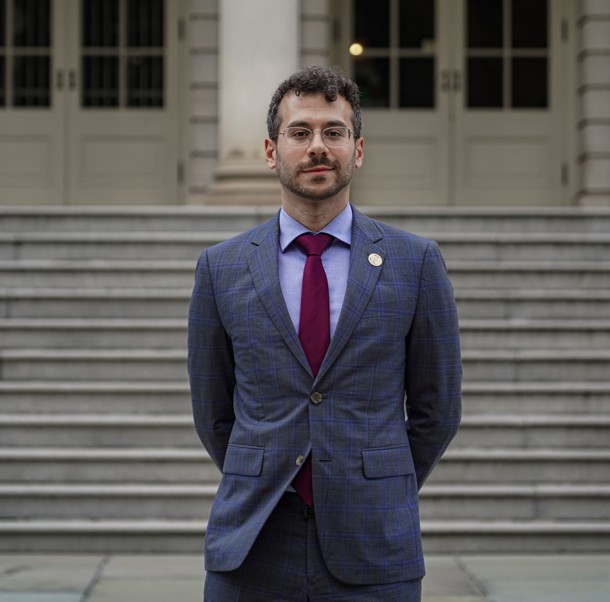
Julian Fox Spector once figured making a difference would take him far from home. Studying international relations, the born-and-bred New Yorker imagined becoming a diplomat in the U.S. Foreign Service. Instead, an internship in local politics showed him what he could accomplish locally.
“I had all these ideas about impacting change far away from home,” Spector says. “I soon realized that real change happens on the local level, and you have so much more ability to actually impact people’s lives.”
Spector spent nearly eight years in the Brooklyn District Attorney’s Office, rising to director of strategic operations. He helped build stakeholder awareness around the office’s Justice 2020 criminal justice reform plan and wrongful conviction reviews.
Coming from several generations of public school teachers on his mother’s side, public service was familiar territory. Success was measured less by money than by fulfilling responsibilities to the community.
Now, as the first deputy mayor’s senior adviser for intergovernmental affairs, Spector coordinates across city government on initiatives like closing Rikers Island, expanding childcare, making buses fast and free, and supporting the new Mayor’s Office of Community Safety.
Becoming a father has made one of those issues personal. With a daughter nearing age 2, Spector sees childcare as critical to helping families remain here. “Once you start having kids and you want to build out your own family, this is a tough place, and everything that we can do to make it a little bit easier, I think, is incredibly worthwhile,” Spector says.
– A.B.
Hannah Steinweg
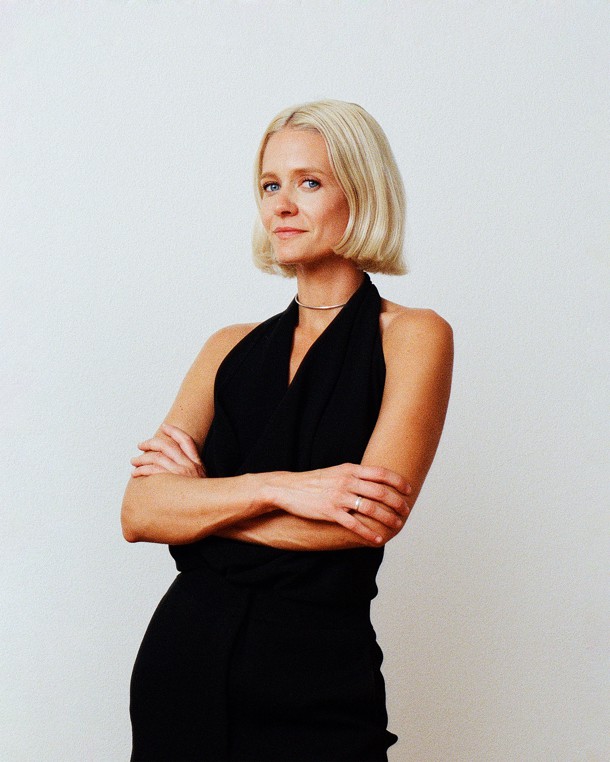
Hannah Steinweg never imagined herself testifying in committee hearings or running policy campaigns in state capitals. All she knew was that she wanted to tackle complex problems.
Her pathway into policy work began as a refugee resettlement caseworker in Memphis, Tennessee, where she saw how government decisions could alter people’s lives. The experience left her asking who made those decisions and how she could influence them.
Steinweg later became chief of staff to then-Colorado state Sen. Pete Lee, watching him forge diverse coalitions. She went on to lead the advocacy organization Environment Colorado before spending 4 1/2 years at electric-vehicle maker Rivian, where she focused on state policy.
“I love listening to how different people see the world, from state legislators making decisions to those who just arrived from another country seeking asylum,” Steinweg says.
Now Waymo’s public policy campaigns manager in New York, Steinweg is forming alliances around autonomous vehicle policy ahead of a 2027 legislative push in Albany. She is also president of A Better Road Forward, a new, Waymo-backed autonomous vehicle policy coalition.
Her vision is grounded in how different forms of transportation fit into New Yorkers’ lives.
“It looks like stepping off a red-eye flight at JFK late at night, calling an autonomous vehicle for a quiet, safe ride home, then taking the subway to work the next morning,” Steinweg says. “By embracing autonomous vehicles alongside New York’s historic transit backbone, we’re not replacing the way we move, we’re unlocking a safer, more complete transportation ecosystem.”
– A.B.
Ardian Tagani
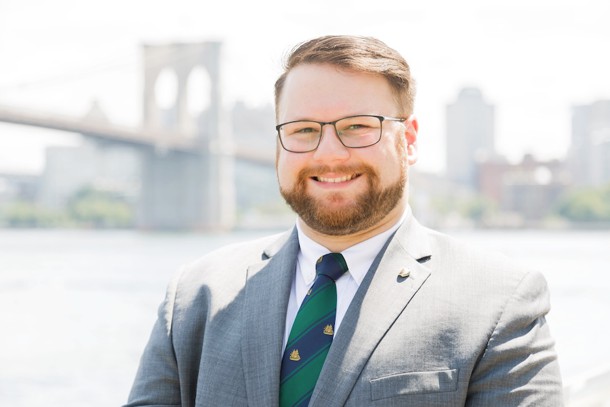
Ardian Tagani grew up seeing New York through the glass of the No. 7 train windows.
Growing up in Queens, Tagani rode the subway line with his father to Bronx Science and eventually to Hunter College, watching neighborhoods like Willets Point transform. Today, as an associate at Pitta LLP and senior government relations specialist at Pitta Bishop & Del Giorno, he influences policies shaping his city.
Tagani is especially drawn to measures whose effects take years to appear. Pension and workplace-protection legislation, he says, can strengthen a worker’s safety net decades after a bill passes.
“If you can make it so that a sanitation worker’s job is safer and better,” Tagani says, “you make it so that there are more workers that dedicate themselves to that job and care for the whole city.”
His route to this work was not direct. Tagani entered college to study medicine but a constitutional law course turned him to government and law. The statistical analysis skills he developed doing medical research still surface in his work, from examining voter records to evaluating whether nonprofit programs are reaching communities effectively.
“I use the statistical knowledge so frequently,” he says. “It’s kind of funny to me to think of myself as an attorney who works with numbers more than anything else.”
And he has a simple measure of success. “If I could know at the end of my career that the people I worked with and worked for have a better life because of me,” he says, “that’s a mission accomplished.”
– A.B.
Steven Tiller
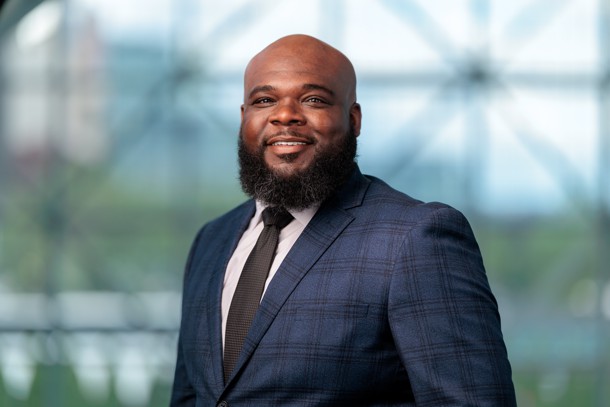
Thousands of people pour into the Javits Center to enjoy some of New York City’s biggest events. Steven Tiller toils behind the scenes to make the magic happen.
Freight has to arrive. Carpenters must build the show floor. Electricians deliver power. Production crews prepare lighting and audiovisual elements. As a vice president overseeing show operations, Tiller helps coordinate the people responsible for bringing it all together.
It’s a process that has fascinated him since his days as a game operations intern with the Charlotte Checkers hockey club. “I saw people there making the show come to life, and that’s what really made me fall in love with the behind-the-scenes aspect,” Tiller says.
Now leading teams himself, Tiller calls himself a “player’s coach.” A former front-line worker, he remembers managers who became so focused on the bottom line that “they forgot that these are humans.”
That experience shapes his approach to organized labor. When he arrived at Javits, Tiller told union representatives, “You are my business partner. We’re in this thing together.”
For Tiller, taking care of the people behind the productions means recognizing what they carry with them beyond work.
“There’s life outside of these four walls that’s happening that’s going to impact how they show up,” Tiller says. “For the eight hours that they’re with you, how do you make them come into work and feel like, man, I have a sense of peace, but a sense of pride in what I do?”
– A.B.
Claire Valdez
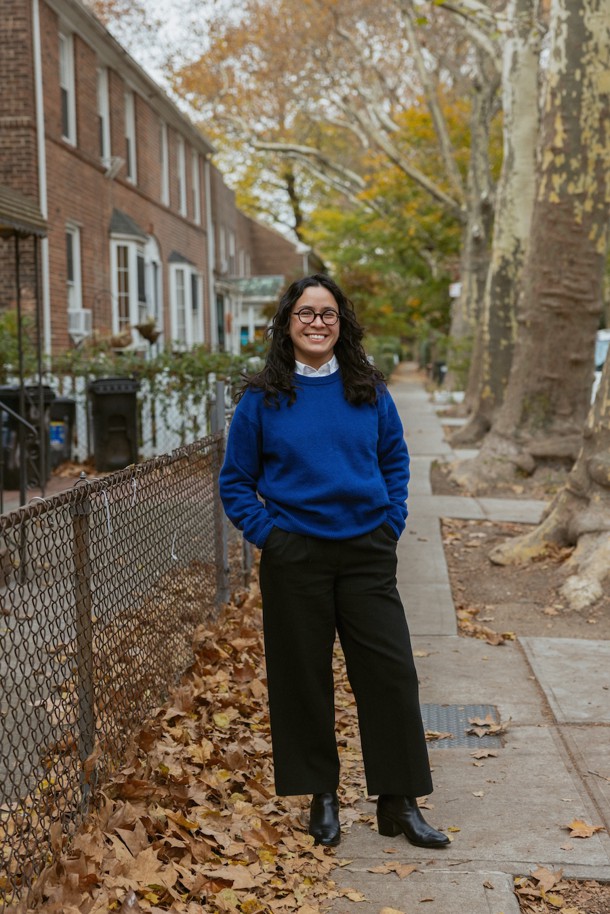
The incoming class of lawmakers likely to join Claire Valdez in Congress in January includes the daughter of a U.S. senator and a Rhodes Scholar who grew up in Greenwich, Connecticut.
Valdez is proud to bring a vastly different perspective to Washington, D.C. – that of a union organizer, artist and former fast-food worker.
A member of the Democratic Socialists of America and one-term Assembly member who won her congressional primary with the support of New York City Mayor Zohran Mamdani, Valdez did not get involved in politics until she joined her union, United Auto Workers Region 9A, while working at Columbia University. Prior to that, she never had the bandwidth.
“I have worked multiple jobs before, I worked seven days a week, and you don’t have time to think about a horizon beyond the next paycheck or the next day off when you’re in those conditions,” she says.
Valdez says much of her agenda, including universal healthcare, rent stabilization and abolishing U.S. Immigration and Customs Enforcement, is part of an overarching goal to build up working-class power.
Working in fast food meant working on her feet for hours, low wages and having “some shitty boss.”
“I think that’s a really important experience to bring to a body that is primarily made up of incredibly wealthy people who have never had to bag groceries or work a drive-through window,” she says. “I think that’s a really important and often discounted perspective, but it’s one that reflects millions of Americans.”
– J.C.
David Waterman
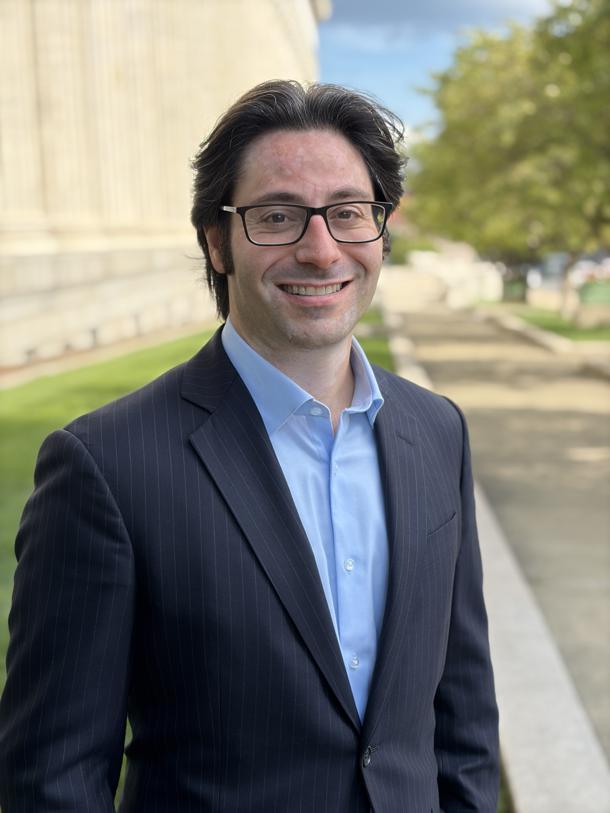
While some New Yorkers are “California dreamin’ on such a winter’s day,” David Waterman was the Californian in a “New York state of mind.”
After a couple out-of-state campaigns and stints in Washington, D.C., the Los Angeles native made his way to the Empire State to join the state Democratic Assembly Campaign Committee.
“My parents grew up in Long Island, and I had always actually hoped for a chance to actually move back out here,” he says. “I basically grew up visiting family and friends out in New York and was even actually raised like a Mets, Knicks and Jets fan, even though I grew up in Los Angeles.”
Waterman developed a love for politics and medicine in his youth. He entered American University as a political science and pre-med major, and being in Washington made politics win out.
Waterman is proud of what he has accomplished at DACC, working closely with Assembly members and candidates, with a focus on listening directly to voters. He also looks back fondly to his job prior to DACC as executive director of FIRST Global, where he launched a robotics competition for students from over 150 countries.
With a strong commitment to advancing the Assembly Democrats’ agenda, Waterman expects to be with DACC for the long haul.
“I don’t see myself going anywhere anytime soon,” he says. “I love doing the work that I do with the people that we do it with, and I hope to continue to be here for a while.”
– J.C.
Carl Wilson
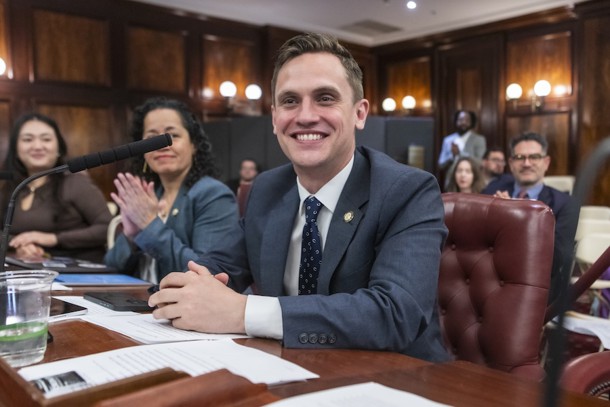
Carl Wilson didn’t come to New York City to launch a political career. Rather he came to town, like so many others, to be an actor.
Most of his acting gigs ultimately were outside the city, mainly in regional productions, but many of the skills he developed come in handy in city politics.
“Ultimately, acting is the study of human behavior, which I find to be remarkably helpful in a business that has so many different perspectives and personalities and many stakeholders.” he says. “It’s a great tool to help you navigate all of that.”
Wilson got into politics following the 2016 presidential election, helping to found a political club, the Hell’s Kitchen Democrats, and then joining the staff of then-New York City Council Speaker Corey Johnson and becoming chief of staff to Johnson’s council seat successor, Erik Bottcher. As a legislative staffer, he worked on the urban forest master plan and gun safety legislation.
Following Bottcher’s election to the state Senate, Wilson won a special election this year to fill the vacancy. Entering the City Council at the height of budget season, he focused on fighting for increased funding to combat homelessness and the Fair Fares program.
Having won a special election just months into a regular four-year term, he could end up serving through 2037 before being term-limited out of office.
“It’s a very unique opportunity, but it also is a unique responsibility,” Wilson says. “You have to deliver, and I think that’s what people are expecting.”
– J.C.
Faizan Younus
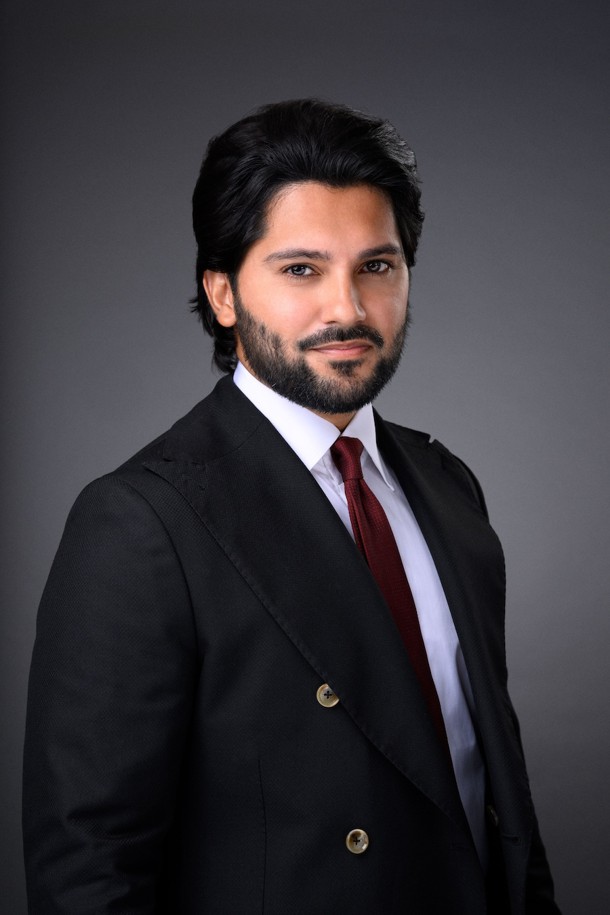
Faizan Younus is one of those rare people who looks forward to the start of the workweek.
“I really like my Monday because I like what I do. I like who I do it with. I like who I do it for,” Younus says.
At NCheng LLP, that means helping nonprofits navigate finances, compliance and operational challenges that can affect their ability to provide services. As managing principal, Younus leads some 200 professionals serving over 400 nonprofit organizations.
While finishing his accounting degree at Hunter College, Younus applied for an internship at NCheng LLP and instead was offered a full-time job. For about a year, he worked and attended school full time.
After several years away, Younus returned in 2019 as a manager to work on technology and process improvements. Six years later, he was leading the firm.
Younus immigrated from Pakistan when he was young and grew up in the Bronx, watching his parents, established professionals back home, rebuild their lives. He sees echoes of that experience in the essential services his firm’s clients provide.
“The level of real impact that we are able to have on the day to day, that impact goes beyond just the debits and credits,” Younus says.
As artificial intelligence changes accounting, Younus wants NCheng LLP to become “solution architects,” helping nonprofits improve operations while developing the firm’s next generation of partners. He also wants to tackle recurring process problems that distract nonprofits from delivering services.
“The focus is always the mission,” Younus says.
– A.B.
Mon Yuck Yu

After losing her father to cancer when she was young, Mon Yuck Yu turned her family’s difficulty navigating his illness into a drive to help immigrant families access care. At 19, she co-founded what became RaisingHealth.
The nonprofit grew from health screenings and care coordination to serving over 10,000 people annually. Yu remembers one person who went 10 years in the U.S. without a health screening, unsure of her eligibility for care. A screening revealed high blood pressure and they connected her to medication and food assistance. Yu described the work as “a service that I wish my family was able to access in the most challenging times.”
Later, as policy director for the Brooklyn Borough President Antonio Reynoso, Yu focused on maternal and mental health, education and public safety. Her maternal health portfolio included expanding care and resources for Black and brown communities to reduce maternal mortality.
Now an associate vice president at United Way of New York City, Yu leads a team of about 13 and oversees strategy, operations, policy and advocacy. Her health equity portfolio spans preventive care, doula training, mental health peer specialist workforce programming and Medicaid innovation, as well as responses to federal changes reducing access to SNAP and Medicaid.
“Health is connected to every aspect of a person’s life,” Yu says, “from whether or not they have nutritious food on the table, to whether they have stable housing and whether they can access care in another language or setting where they feel comfortable.”
– A.B.
Samirah Zeerah

Samirah Zeerah’s public service career started at age 8, when she volunteered to translate for her community.
Zeerah didn’t yet understand that she was doing community service, but it sparked her commitment to supporting underserved communities and ensuring they’re heard.
Now, as deputy director of interagency affairs at the New York City Administration for Children’s Services, she facilitates collaboration between city agencies and acts as a “connector” among internal and external stakeholders.
“In my line of work, there’s the work that makes headlines and then the work that makes systems function, and I’ve chosen the latter,” Zeerah says. “It’s less visible, but it’s where the infrastructure of democracy gets built.”
Since she started in the role in January, she has worked within ACS’ external affairs division, handling strategy, project management and message consistency. She is also a commissioner on the city Civic Engagement Commission.
Previously, Zeerah worked on a fatherhood program for the Young Men’s Initiative under the Mayor’s Office of Equity and Racial Justice. This experience piqued her interest in criminal justice, leading her to a civic engagement and participatory budget initiative on Rikers Island, which registered more than 1,000 incarcerated people to vote and promoted policy discussions.
“I want to build something that outlasts me, interagency systems being embedded in city government so that collaboration is the default and not the exception,” she says. “I just want to stay connected to the people this work serves and wherever that takes me, whether it’s here or somewhere else.”
– A.S.
NEXT STORY: The 2026 Hudson Valley Trailblazers