

sponsor content What's this?
Sponsored Content
NYC’s nonprofits will make or break Mayor Mamdani’s agenda
How the city can support a critical sector by ending bad practices.

Jennifer Talansky


Zohran Mamdani won the mayoral election on a mandate to make New York City more affordable and more livable. His campaign raised profound questions about what the city owes its residents and how essential services can strengthen community life while reducing the cost of living. Now, as the Mamdani administration turns to the work of delivering on these promises, one path stands out.
The most effective way to meet rising needs – and to accelerate the social and economic commitments of the mayor’s agenda – is to improve how the city works with its network of community-based nonprofits.
Many of the Mamdani administration’s new initiatives – from child care to housing to mental health support – will rely on a network of community-based nonprofits that already anchor essential services across New York. By honoring the city’s commitments to these nonprofits – including paying them what they are owed and engaging their expertise on core issues – Mayor Mamdani has an opportunity to boost prosperity and stability across the city.
Most New Yorkers don’t realize the extent to which the city depends on nonprofits to deliver essential services. These organizations provide early childhood education, after-school programs, mental health counseling, elder care and more, bringing essential expertise in areas central to the Mamdani agenda, including community safety, homelessness, affordable housing and health care.
Even fewer people know that the city routinely undercuts this sector through bad practices. A Nonprofit Finance Fund recent survey found that only 19% of New York City nonprofits receiving government funding report being paid on time. Multi-year contracts rarely adjust for inflation and often fail to cover the full cost of services.
New York’s 13,000 nonprofits generate $78 billion for the local economy annually and employ nearly 1 in 5 residents. The nonprofit workforce reflects the city itself: predominantly women, 56% are people of color and 34% are foreign-born. Many earn 30% less than their government agency counterparts. When the city pays their organizations late, their rent is late, they can’t buy groceries and they defer student loan payments. New York’s greatest asset is its people, and an affordable city starts with living wages.
Demand for nonprofit services has surged – over 80% of organizations reported increases last year, and over half don’t expect to meet demand this year, as funding declines and philanthropy cannot fill the gap. While demand has grown, funding has shrunk. New York’s nonprofits are facing a calamitous threat from federal funding cuts. Private sources, including philanthropy, cannot fill this gap.
Tapping the power of New York City's nonprofits for Mayor Mamdani’s agenda starts with paying them fairly. Funding must cover more than the direct costs of providing services – it must also account for rent or mortgage payments on health clinics, community centers, schools and theaters; access to technology; and reserves to make unexpected repairs. When city government pays only a fraction of the true costs of service, it weakens the sector and dilutes the impact of philanthropic funding. Adjusting contracts to reflect the real costs of service also allows for fair pay for this critical workforce, leading to greater retention, job satisfaction and economic growth.
Equally important is timely payment. The Mamdani administration should commit to paying nonprofits on time, ideally with partial up-front funding, so organizations can hire staff, purchase materials and start delivering critical services faster, without incurring debt. Nonprofits are often told to run “more like businesses” – but no for-profit business could survive chronic late or underpayments.
Oversight is essential to safeguard taxpayers, but it is underpayment – not bloat or corruption – that starves nonprofits and delays services. While a few bad actors make headlines, the larger problem is overburdened systems that leave the city owing nonprofits billions for work already completed.
Beyond funding, the administration should leverage nonprofits’ expertise through transition committees and permanent structures. These organizations have made hard-won gains in affordable housing, child care, job training, education and more. The new administration can build on these assets rather than starting from scratch. Leaning into this existing infrastructure – rooted in neighborhood priorities, cultures and constraints – is an unparalleled opportunity.
As campaign mode shifts to governing, New York’s nonprofits are ready for meaningful partnership and support, forming an indispensable foundation for a more affordable, livable and equitable city.
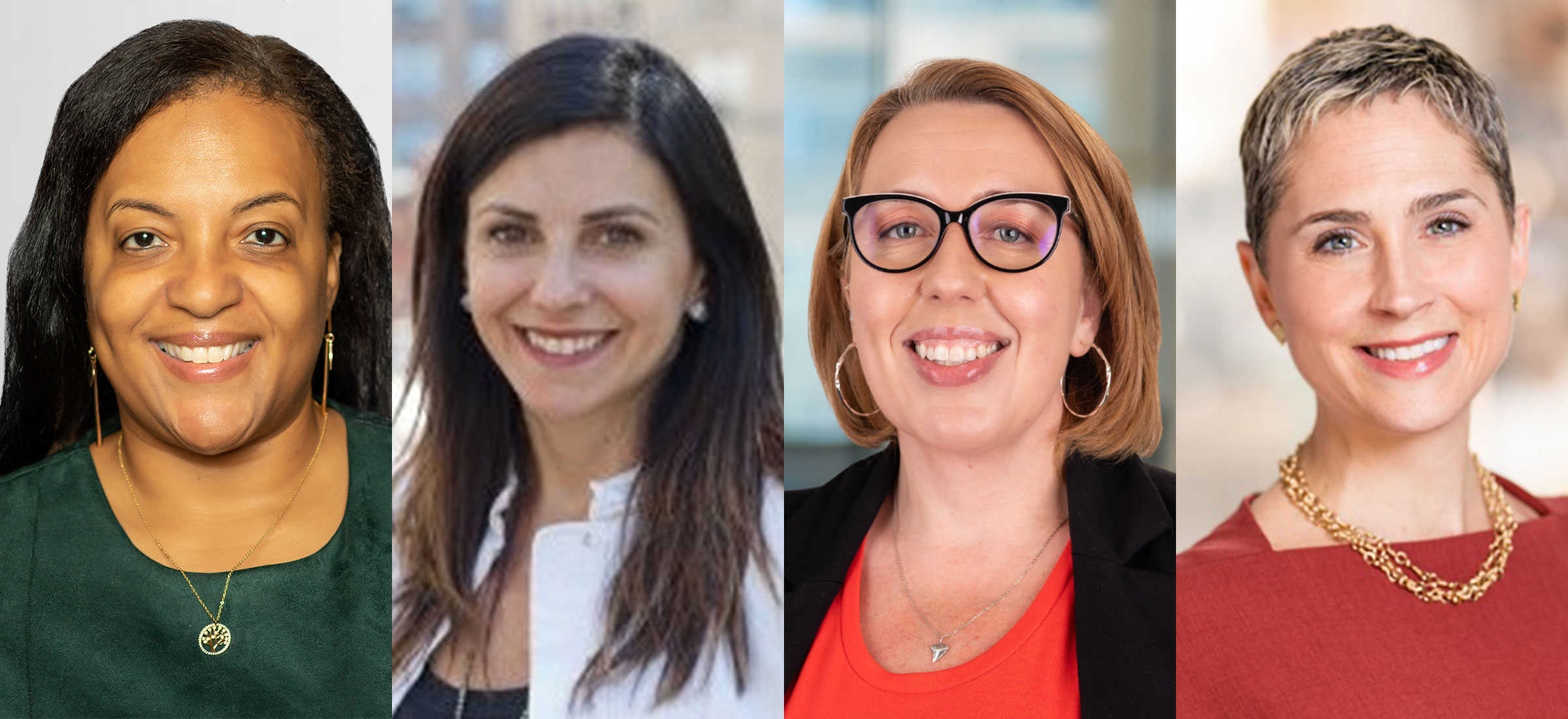
Aisha Benson is president and CEO of the Nonprofit Finance Fund. Beatriz de la Torre is chief philanthropy officer at Trinity Church NYC. Michelle Jackson is executive director of the Human Services Council of New York. Kathryn O'Neal-Dunham is president and CEO of Philanthropy New York.
NEXT STORY: SUNY Oswego Celebrates President Peter O. Nwosu’s Visionary Leadership and National Recognition