

sponsor content What's this?
Sponsored Content
A Meaningful Step Forward for Community Health Centers, But the Work Is Far From Over
Rose Duhan on how supporting Community Health Centers means protecting care for 2.5 million New Yorkers.
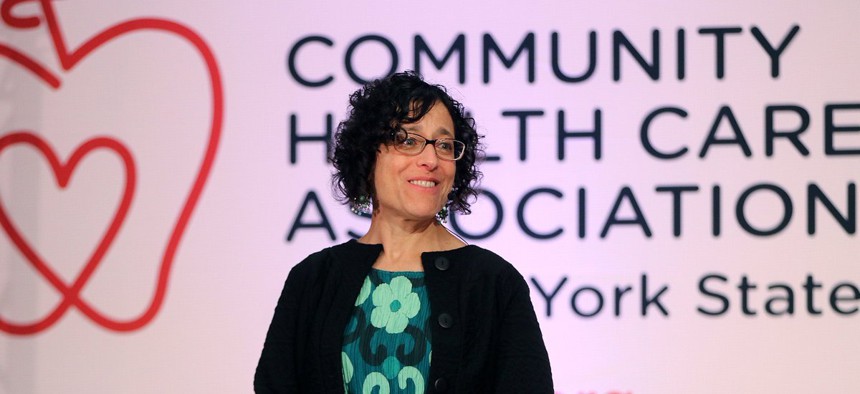
Rose Duhan, President & CEO, Community Healthcare Association of New York State Tiffany Portzer, CHCANYS

.png)
The Community Health Care Association of New York State is grateful to Gov. Kathy Hochul and the state Legislature for including an $80 million investment in Community Health Centers in this year's state budget.
The funding, included in the Health and Mental Hygiene Budget, is an important acknowledgment of the vital role Community Health Centers play in New York's healthcare system and of the financial challenges health centers face every day.
"We are sincerely grateful to Governor Hochul and the Legislature for recognizing the importance of Community Health Centers and the patients and communities we serve," said CHCANYS President and CEO Rose Duhan. "This investment reflects an understanding that strengthening primary care strengthens families, communities and the entire healthcare system."
CHCANYS also thanks the legislative champions who fought to ensure health centers were included in the final budget. Their support recognizes the reality facing health centers across New York as they contend with rising costs, workforce shortages and growing demand for services.
Community Health Centers serve more than 2.5 million New Yorkers each year through nearly 900 sites located across every region of the state. For many patients, health centers are the primary point of access to medical, dental, behavioral health, vision and substance use disorder services.
While the investment is welcome and appreciated, CHCANYS notes that significant challenges remain.
Medicaid is the single largest source of revenue for Community Health Centers, accounting for approximately 42% of total health center funding. Yet New York's reimbursement methodology is based on costs from nearly three decades ago and has not kept pace with the actual cost of providing comprehensive care. As a result, health centers continue to face financial pressures that threaten their ability to meet growing community needs.
Looking ahead, CHCANYS is increasingly concerned about the impacts of HR1 on coverage and access. Medicaid work requirements and changes to the Essential Plan will leave hundreds of thousands of New Yorkers without health coverage. This will result in Health Centers losing an estimated $300 million annually. Moreover, 1 in 3 newly uninsured New Yorkers are expected to turn to Community Health Centers for care.
Health centers have always been there for patients when they need them most, accepting all patients, regardless of insurance status or ability to pay. They will continue to do everything possible to meet the growing need for care. However, coverage losses due to HR1 will place additional strain on a system that is already stretched thin.
That is why CHCANYS remains focused on advancing policies that protect and strengthen Community Health Centers.
One of the association's top priorities for the remainder of the legislative session was passage of the 340B Prescription Drug Anti-Discrimination Act. The 340B program is one of the few tools health centers have to stretch limited resources, expand services and support patients whose care is not fully reimbursed. Protecting the program will help preserve critical resources that health centers rely on to serve their communities.
The state's investment is an important step forward, but the work is not finished.
CHCANYS looks forward to continuing to work with the Governor, the Legislature, member health centers and partners across the state to ensure Community Health Centers have the resources they need to continue delivering high-quality, comprehensive care to the more than 2.5 million New Yorkers who count on them each year.
Rose Duhan is President & CEO of the Community Healthcare Association of New York State.
NEXT STORY: New York Needs Every Recycling Tool Available