

Interviews & Profiles
Jumpstarting AI for nonprofits
Q+A with the new Astor Services CIO Bill Freder
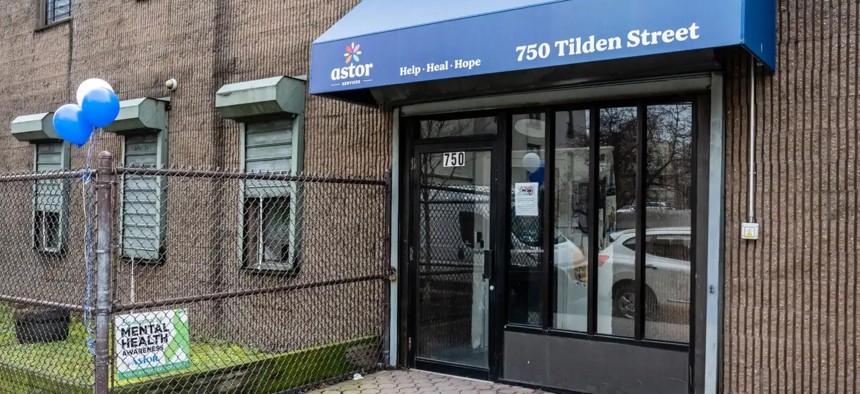
The nonprofit Astor Services provides child welfare services in the Bronx and the Hudson Valley. Astor Services

The AI revolution is now coming to human services and the nonprofit sector is helping to pave the way.
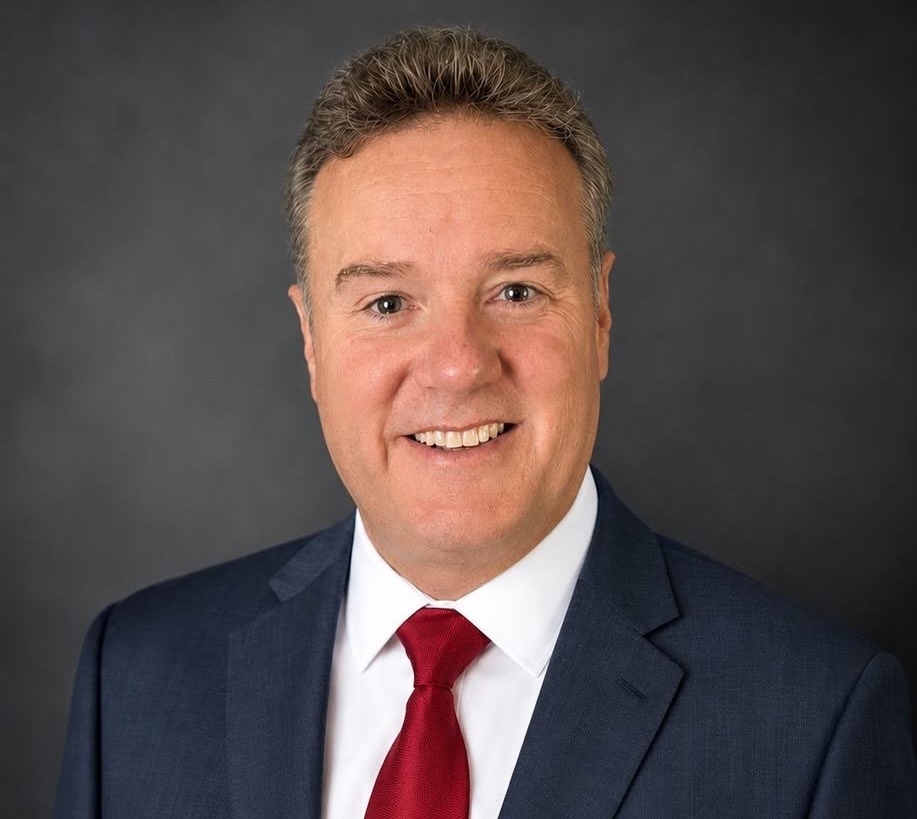
Bill Freder is the new chief information officer at Astor Services, a nonprofit that provides behavioral and mental health services for children. In the newly created position, Freder will “lead technology strategy, strengthen cybersecurity and modernize the systems that help Astor’s staff deliver services efficiently and securely,” according to the press release announcing his appointment.
After over a decade at The Children’s Aid Society, Freder is taking his immeasurable experience in security and IT infrastructure with him to help jumpstart Astor Service’s new initiatives with artificial intelligence.
He sat down with NYN Media to discuss how he is looking forward to building this new role from the ground up at Astor Services. This interview has been edited for length and clarity.
Can you tell me a little bit just about your general background, and then how that ended up leading you to Astor?
I've been in the nonprofit world for about 30 years now, working anywhere from conservation, the church, and then also child welfare. I've been in child welfare for the last 15 years of that, and I used to work with the Children's Aid Society prior to here, and I'm only here a month right now. I was the director of services and support, and I ran the infrastructure help desk and the phone system.
I'm a nonprofit guy. I really do enjoy going home at night knowing I made a difference in the world today. So I get a lot of pleasure out of that. I've been doing this for the last 15 years. I knew I could bring some of my skills over here once I got here. I noticed along the same lines, a lot of them have the same industries and a lot, a lot of the same issues. And I know from speaking to my friends and colleagues in other places that we all deal with the same stuff sometimes, and we can kind of bounce ideas off each other.
What does a day in the life of the CIO look like?
Right now, I'm still gathering information, just trying to make sure that our infrastructure is right. For one, I want to make sure that it's reliable for the staff. So we can support the clients. Next is to look into cybersecurity, make sure that we have all our I’s dotted and T's crossed there. Check on data quality, and then make sure the system integration is all maxed out.
So when you arrived at Astor, were you already familiar with the systems that they were currently using?
I was not. I wasn't even sure what they were using. It didn't come up in the interview. I knew they have, of course, an application that they use. I knew they had 365. I've been working with that for a couple of years now. I knew they had the health application. They were very similar, so I wasn't too concerned about which one they had. But I know over time we'll figure it out. And there's a staff here that supports it.
What has the role of AI been so far in your job here, and was Astor using it before you got there?
So they just started using it, and since I've been here, they just piloted the CareLogic (behavioral health software). The application that they use offers an AI called IQ, and they just started using it. They're training people now. They probably have about 30 people using it, and what it's just going to do is to alleviate the burden of all the documentation that goes on. So they'll be able to record a session and then use AI to transcribe it, and then make sure that everything's correct, edit it, and then focus on it. And the good thing about that is they don't have to worry about taking notes while they're talking to the client. So they can really look eye to eye with them the whole time, not miss a facial expression or something like that. They can really focus on the individual themselves and then go back to their notes later and then just verify that what was transcribed is correct, and then also add whatever notes they can. Like, if the client became quiet at this point, or the facial expression was kind of off a little bit. So you get a little bit more information, I think, and the client feels like you're not worried about taking notes, dotting I’s and crossing T's. You're more interested in them because you got their full attention, and you're looking at them and talking with them the whole time.
Have they been having positive experiences with it?
Yes. What I've heard, yes. A lot of them enjoy it. Of course, I have one person that says I don’t want to use it or whatever. But then on the next call it's like,”‘as a new clinician, I could focus on stuff”. You know, just all the positive stuff that they get at. Just everything is stronger and better.
Flashing forward, where do you think you want to see the organization and your role in two years?
To be honest with you, I'd like a stronger infrastructure, a set standard in policies and procedures. That's what I would like to see. That's where I see us going. Just stronger infrastructure, more communication, and we'll probably lean into AI a lot more. I mean it's not going away, right? It's only going to get better, and it's just got to be the right policies and procedures in place on what it can do and can't do, and people have to follow that.
Are there any growing pains that you anticipate you're going to be feeling in your role? You've only been there 30 days, but you know, 100 days in.
Yeah, change is hard for people, so it's just changing and getting them to change the way they normally do stuff to what should be done right, and trying to make them understand why they need to do that. So that's the goal.
NEXT STORY: Child support cases see citywide speed up