

NYN Media
Opinion: Let’s treat our museums and libraries like soccer fields
Extending nighttime and weekend hours at the city’s cultural institutions would make the city better.
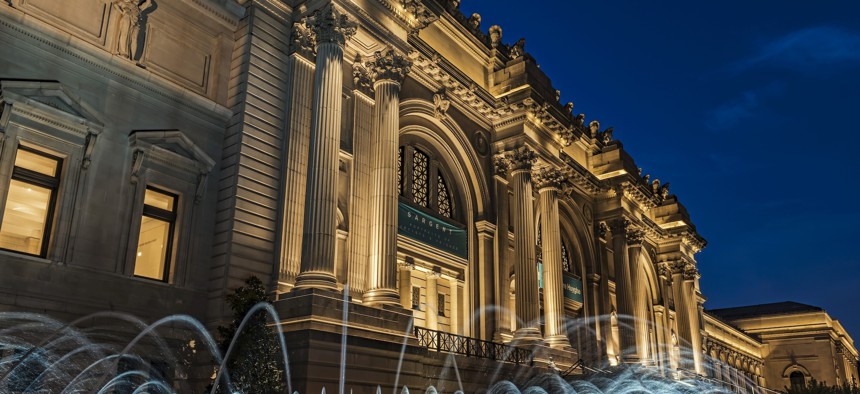
A night at the museum F. M. Kearney/Design Pics Editorial/Universal Images Group via Getty Images


In 1901, Andrew Carnegie made a $5.2 million gift to New York City, then the largest philanthropic gift in its history, to build 65 libraries and bring library access to all New Yorkers. The funding came with explicit conditions that these branches would be open 72 hours each week and on almost every holiday. For decades the city has failed to meet its end of the bargain. Today, the branches in the city’s three library systems are open on average less than 50 hours weekly.
Access to museums is also limited. The buildings that house many of the world’s greatest museums are owned by the city of New York – The Met, the American Museum of Natural History, the Brooklyn Museum, and 28 other institutions – yet they are generally open only during antiquated bankers’ hours during the week, and few are open late on weekends.
When New Yorkers need them most, during evenings and weekends, the doors of the city’s most precious community and civic institutions are often shuttered.
Recently, Mayor Zohran Mamdani demonstrated a path forward.
In June, he announced that in honor of the World Cup, five soccer fields would keep their lights on all night long, as opposed to the usual 10 p.m. closing time, for six weeks. The results were instantaneous and impactful – more than 4,000 soccer players took advantage of the extension, and communities had newfound safe, gathering places.
The next frontier should be libraries and museums – among the city’s most cherished, yet under-leveraged, assets.
There are many benefits to expanding access to museums and libraries. These institutions provide opportunities for job seekers, English classes, after school programs for students, the life benefits that comes from exposure to literature and art, and gathering places for social interaction.
Scholars have called our time the “anti-social century.” The devastating impact of our atomization is well documented and can be seen everywhere: in plummeting mental health, declining professional ambition, and lower relationship and birth rates. The effects of eschewing community engagement to sit alone at home on our devices has profound societal costs that must be addressed.
Solutions to many of the city’s woes – such as the need for hundreds of thousands of affordable housing units, rebuilding and rethinking the crumbling BQE, and ensuring resilience to our looming climate crisis – require spending billions of dollars and overcoming numerous regulatory hurdles. Better leveraging our cultural and community assets is a far easier lift.
There are three things we need to get this done: continued imagination and innovation at libraries and museums, a modest and sustained city investment, and perhaps most important, leadership and partnership from multiple players in our cultural ecosystem.
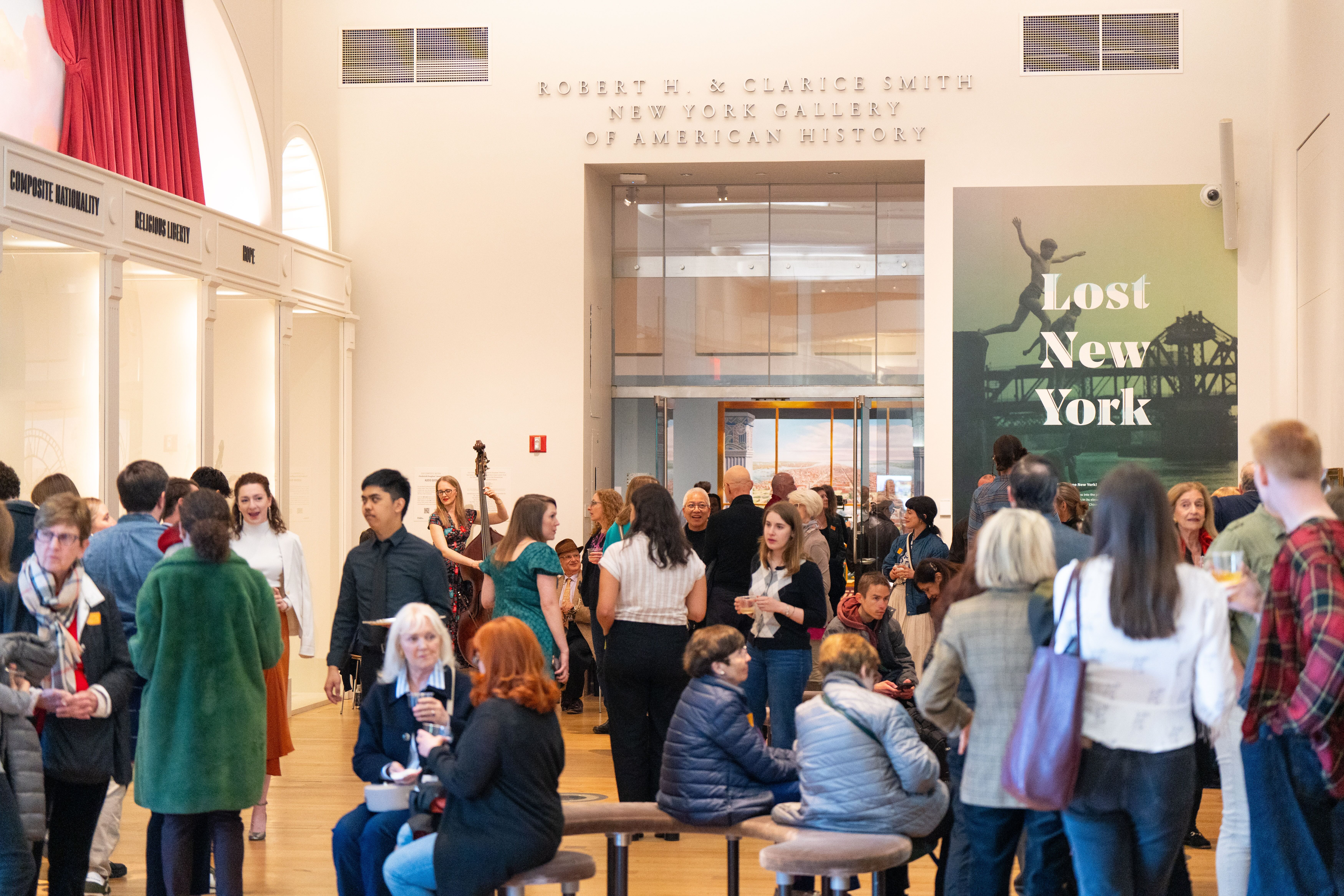
The two of us met a decade ago, running external relations and marketing at Brooklyn Public Library and The New York Public Library. In our more recent roles, we’ve remained focused on how to expand access to libraries, museums, and public spaces. This summer, David worked with the city to encourage New Yorkers to visit cultural and community institutions around the five boroughs during the World Cup. Ken, who in a prior role introduced Date Night at The Met, now works at The New York Historical, which has expanded late-night and weekend programming. Without exception, our experience is that if institutions build enticing activities, the people will come.
Indeed, museums and libraries, particularly in New York City, have for decades experimented with opening their doors wider and providing compelling programming to convince younger, more diverse audiences that they are worth visiting. From First Saturdays at Brooklyn Museum (which will turn 30 this fall), to sleepovers under the whale at the Natural History museum, to Brooklyn Public Library’s Night of Philosophy … the list goes on.
Imagine if each borough had a library open until midnight and a major museum open daily until 9 p.m. The transformative impact of this modest change could be had for less than $10 million a year. It’s equally important that the library and museum systems have adequate and reliable hours in all reaches of the city. Longer hours require greater staffing levels, which in turn requires adequate, reliable funding.
Yet, year after year, these institutions do not even know whether they will have base-level funding. It has become a predictable routine that, each year, cultural institutions fall victim to the city’s “budget dance” – where initial drafts of the city budget leave these institutions under-resourced and competing against each other in a budgeting Hunger Games. Even when they do secure funding, they need to scramble to hire staff and rebuild programming – a waste of months of energy annually.
It's time for the city to consider mechanisms such as guaranteeing funding percentages in the City Charter to ensure not only that the dollars are available, but that they are protected from future cuts.
To enable libraries and cultural institutions to realize their full ability to serve the public, we will need leadership from our elected officials, executives of museums and library systems, and labor leaders. Municipal unions, for instance, must be willing to change library work rules to enable staffing for evening hours and Sunday shifts.
But ultimately the leadership starts at the top. Mayor Michael Bloomberg, seeking greater efficiency nearly 20 years ago, pulled together the leaders of the city’s three library systems for a dialogue that ultimately led to NYPL and BPL collaborating on BookOps – a cost-effective, shared book management system. A decade later, Mayor Bill de Blasio wanted more diverse staff and hiring at museums, so while he couldn’t force museums to diversify, he asked for full transparency in hiring decisions, and in the ensuing years the hiring and board appointments better reflected the city they serve.
Which brings us back to soccer fields and Mamdani’s bold move.
Here are the words of a few of the thousands who enjoyed late-night soccer when the lights were kept on – after midnight in Gravesend, Brooklyn: “It’s a blessing. It’s a gift, because I have a bunch of friends who work really, really late,” one player noted. A young woman added, “I got really stoked because not a lot of stuff happens in South Brooklyn.”
And a young man asked hopefully, “Oh man, if this was forever?” Another answered, “I’d be here every week.”
Imagine what late hours at museums and libraries would deliver.
Ken Weine is senior vice president and chief content officer at The New York Historical. David Woloch, who was a long-time leader at the Brooklyn Public Library, most recently worked on a project with the mayor’s office on World Cup public engagement.
NEXT STORY: Opinion: The legal loophole robbing New Yorkers of mental healthcare