

New York City Council
Every borough is represented in the City Council’s queer caucus
With a new executive director and a citywide mandate, the bipartisan (!) group is getting to work.
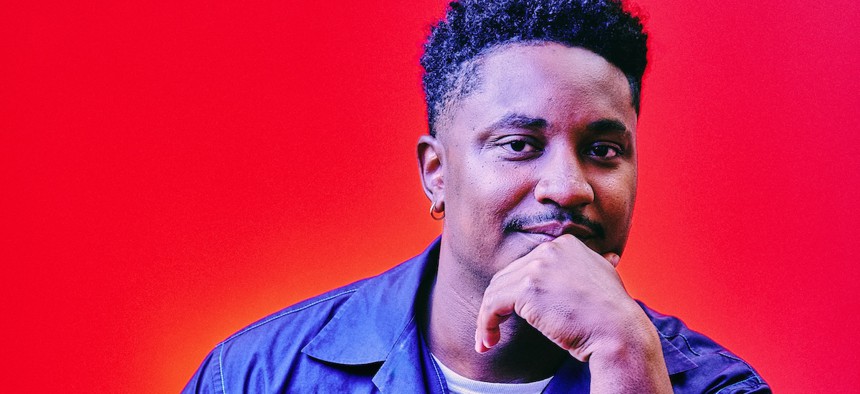
LGBTQIA+ Caucus Co-Chair Chi Ossé. Queer icon: Little Richard. “He was a pioneer in culture and never got enough credit for it.” Ben Berkes
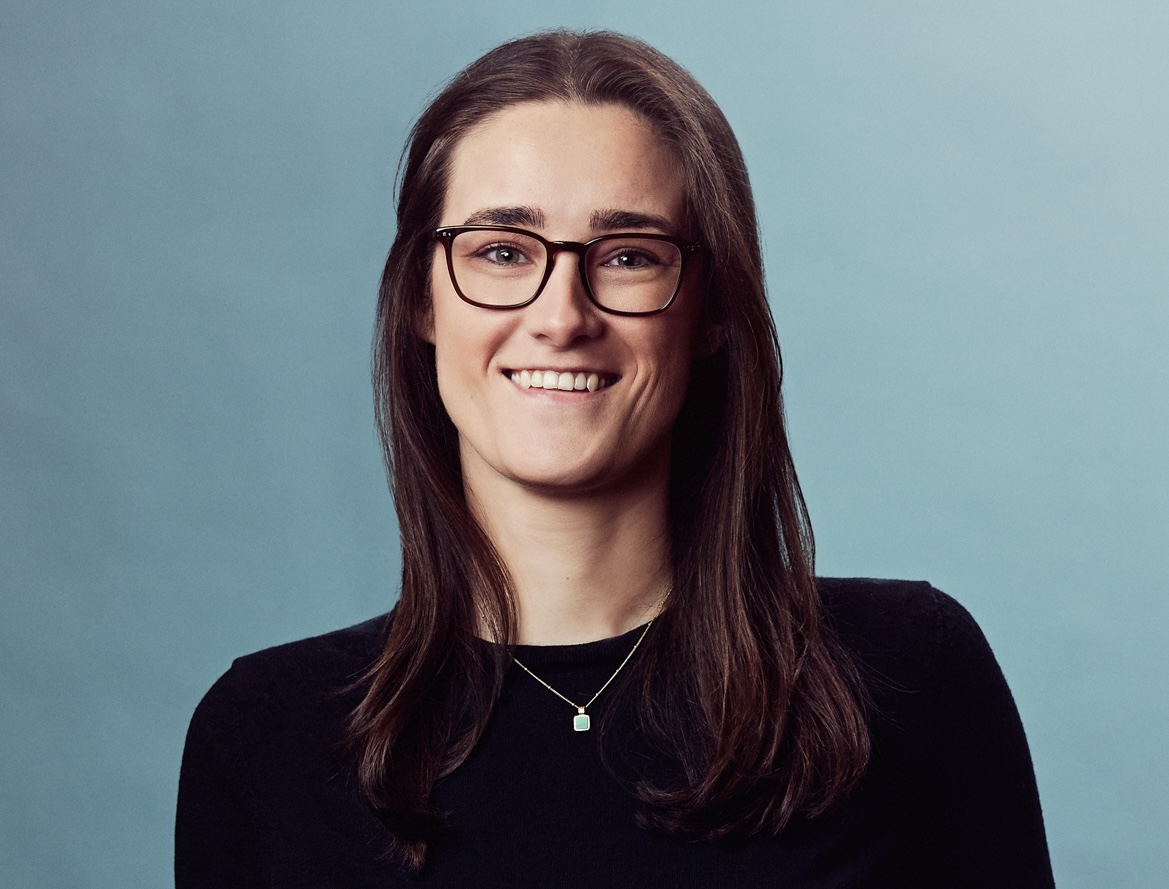

When Christine Quinn joined the New York City Council as a staffer in 1992, the city’s elected officials were not well acquainted with New York’s queer communities.
“When I first started out – back in the Dark Ages – other elected officials, they all thought every gay person lived in the 3rd Council District,” she said. “That’s what they thought.”
Quinn was working for Tom Duane, one of the first out gay men in the council, who represented that Manhattan seat comprising Hell’s Kitchen, Chelsea and the West Village. She was later elected to the same seat and then became the first out gay speaker of the City Council.
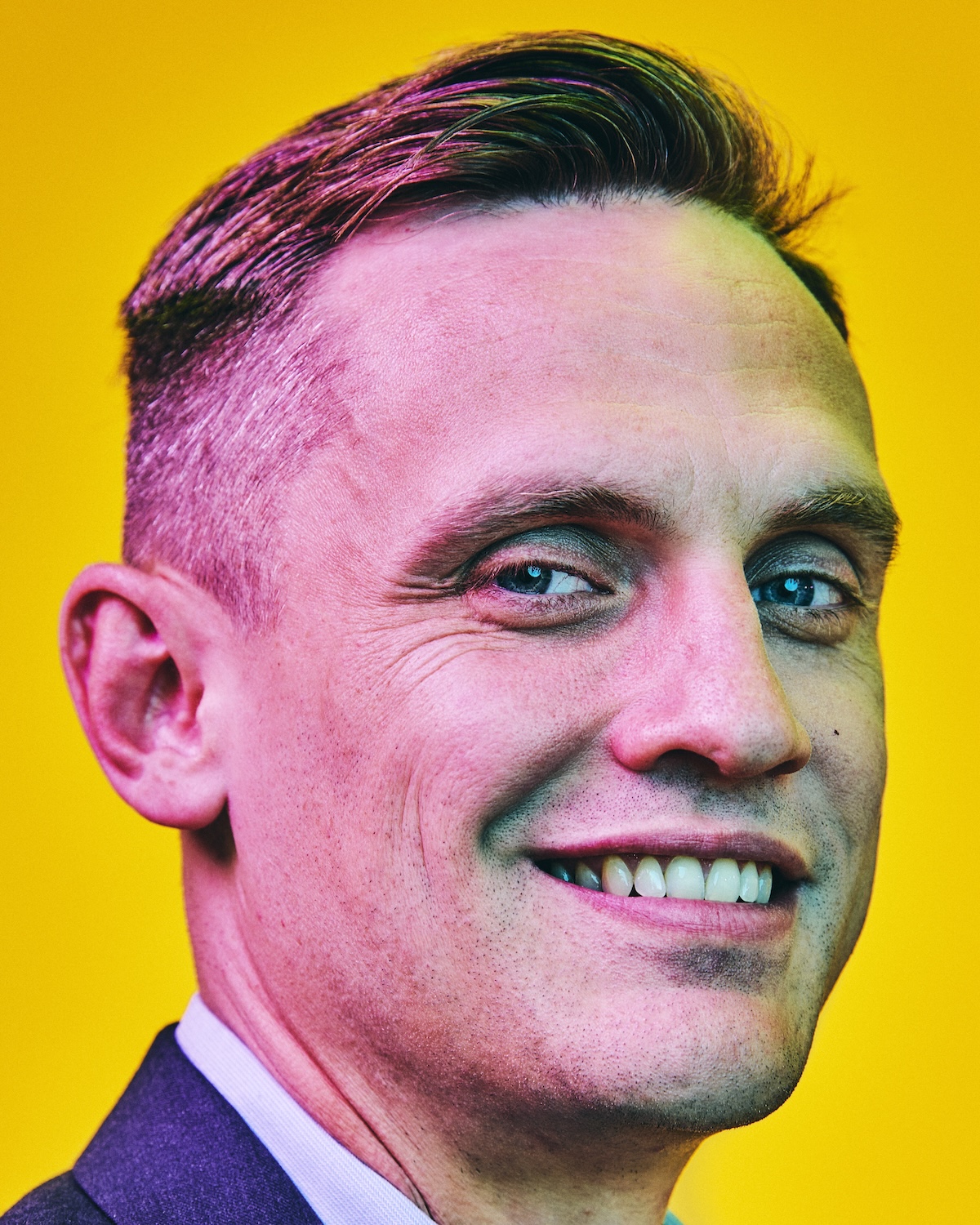
Manhattan
Elected 2026
Queer icon: John Waters (and his whole ensemble, especially Divine). “They were highlighting queer tastes and sensibilities way before it was popular or mainstream.” (Photo by Ben Berkes)
District 3, home of The Stonewall Inn, is in fact a seat with a legacy of gay representation. Its current member, recently elected Council Member Carl Wilson, is an out gay man. But today, the City Council’s out LGBTQ+ contingent – formally organized into the LGBTQIA+ Caucus – is far more vast and diverse, through virtually every lens one might consider that term.
The seven current members of the council’s LGBTQIA+ Caucus include a self-described socialist abolitionist and a Trump-supporting Republican. Its members endorsed Zohran Mamdani, Andrew Cuomo and Curtis Sliwa in last year’s mayoral election. All five boroughs are represented. It has Black, Asian, Latino and white members, a co-chair of the Progressive Caucus and a co-chair of the Jewish Caucus. Members are in their late 20s and late 60s – and the several decades in between. Its new co-chairs, Chi Ossé and Justin Sanchez, are two of the council’s youngest members.
That diversity brings together unlikely allies like Lynn Schulman, a moderate Democrat from Forest Hills, Queens, and Tiffany Cabán, a socialist representing the north end of the Commie Corridor on the western side of the borough, who are both queer women trying to convince local hospitals not to cave to pressure from the Trump administration to end healthcare programs for transgender youth.
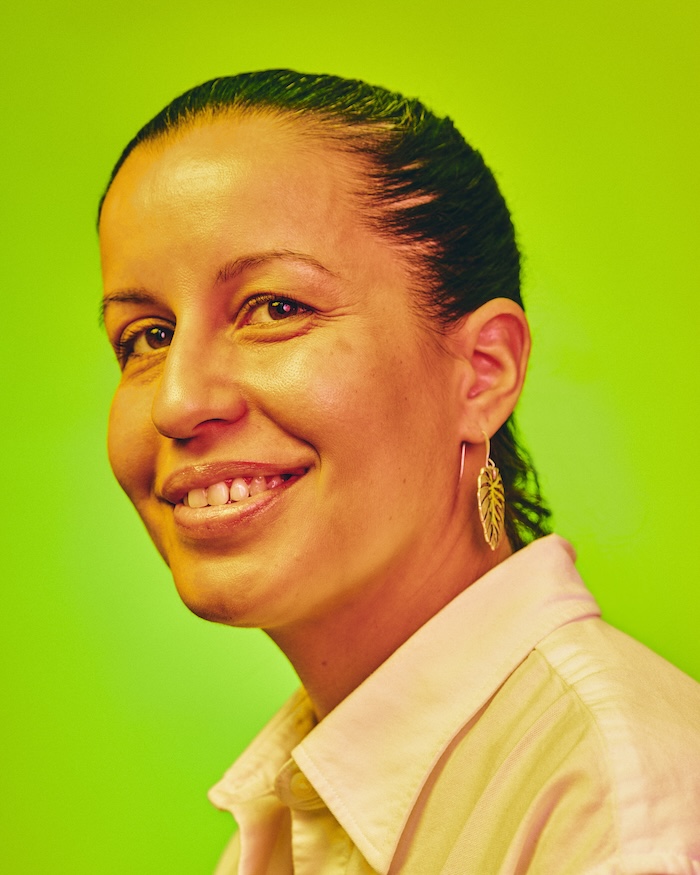
Queens
Elected 2021
Queer icon: Playwright and activist Lorraine Hansberry. ”She doesn’t get the queer revolutionary icon love that she deserves!” (Photo by Ben Berkes)
“I think it speaks to our experiences as being queer people in community – always incredibly respectful, always super thoughtful,” said Cabán, who was a co-chair of the caucus for the past four years, of the members coming together despite their differences.
But the caucus’s diversity can also make for some awkwardness. Carr, the first and only Republican in the caucus, is from the same party whose leadership most other caucus members deride as the source of the most urgent threats to LGBTQ+ people in New York, particularly to transgender people.
Members speak respectfully of each other but acknowledge that the body’s decision-making comes down to a simple provision: Majority rules. Disagreements often end with Carr simply being outvoted on whether the caucus will put out a statement or support a given policy. The caucus meets regularly – somewhere between quarterly and monthly, according to the co-chairs – but in budget season, its leaders talk more informally almost daily.
Schulman said there are issues that the seven members can broadly agree on – supporting treatments for HIV/AIDS, health clinics and addressing youth homelessness. “I think where the diversity becomes an issue is some of the political stuff,” she said, pointing to when caucus members called out former Mayor Eric Adams or when they call out the Trump administration. The latter happens a lot.
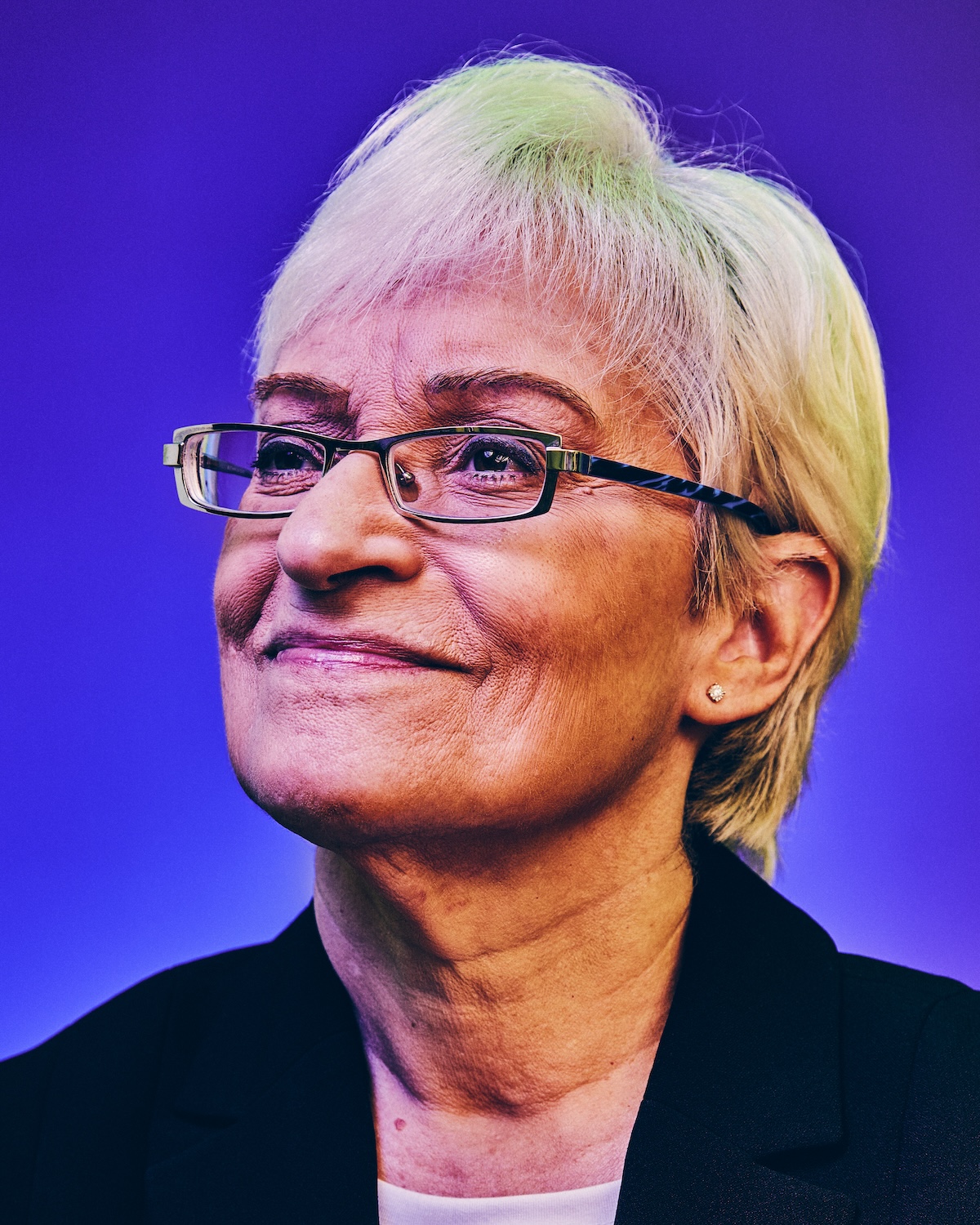
Queens
Elected 2021
Queer icon: Tennis champion Billie Jean King. “In 1981, she was outed as a lesbian during a political climate much less supportive than now. She responded by holding a press conference to embrace her sexual identity instead of lying about it as many celebrities did during that era. That took great courage and inspired me as I was contemplating my own identity.” (Photo by Ben Berkes)
But Carr, who also serves as minority leader of the massively outnumbered Republican conference of the council, is not exactly new to being outvoted. Still, Carr, who lives with his husband on Staten Island, said he feels he has a voice in the caucus and has been able to advocate for funding for the borough’s Pride Center – which provides a wide array of programming and health services for LGBTQ+ New Yorkers, and which credited Carr with helping grow its resources.
“My general approach is just to sort of send a message to LGBT New Yorkers that we come in all kinds of different political stripes, and that there’s no one political party that has a monopoly on us,” he said. “And I’m always just trying to bring my unique perspective as a Staten Islander to the table. We’ve never had a direct voice in that way before.”
“I think the makeup of the caucus we see today is in a lot of ways a real reflection of the diversity of the LGBTQ community within the city,” said Democratic strategist Amit Singh Bagga. “One could, I think accurately, presume that, by and large, you are talking about a group of people that are relatively liberal. But that is not exclusively the case.”
This year’s caucus is only just starting up, but it’s newly empowered. For the first time, it has been allocated funding to hire an executive director and a couple of paid interns – a move caucus leaders credit to Speaker Julie Menin. Rather than having the co-chairs’ own staffers moonlight as caucus staffers, the new resources will help the caucus organize and advocate for funding for LGBTQ+ organizations around the city – a major part of its work over the past few years, alongside laying out a policy agenda.
In an April video announcing the news – in Ossé’s signature social media style – the new Executive Director Yanery Cruz laid out the caucus’s mission plainly: “(It) will ensure our city remains a queer and liberated one.” Cruz, former director of advocacy and programs at the New York Transgender Advocacy Group, is a trans woman herself.
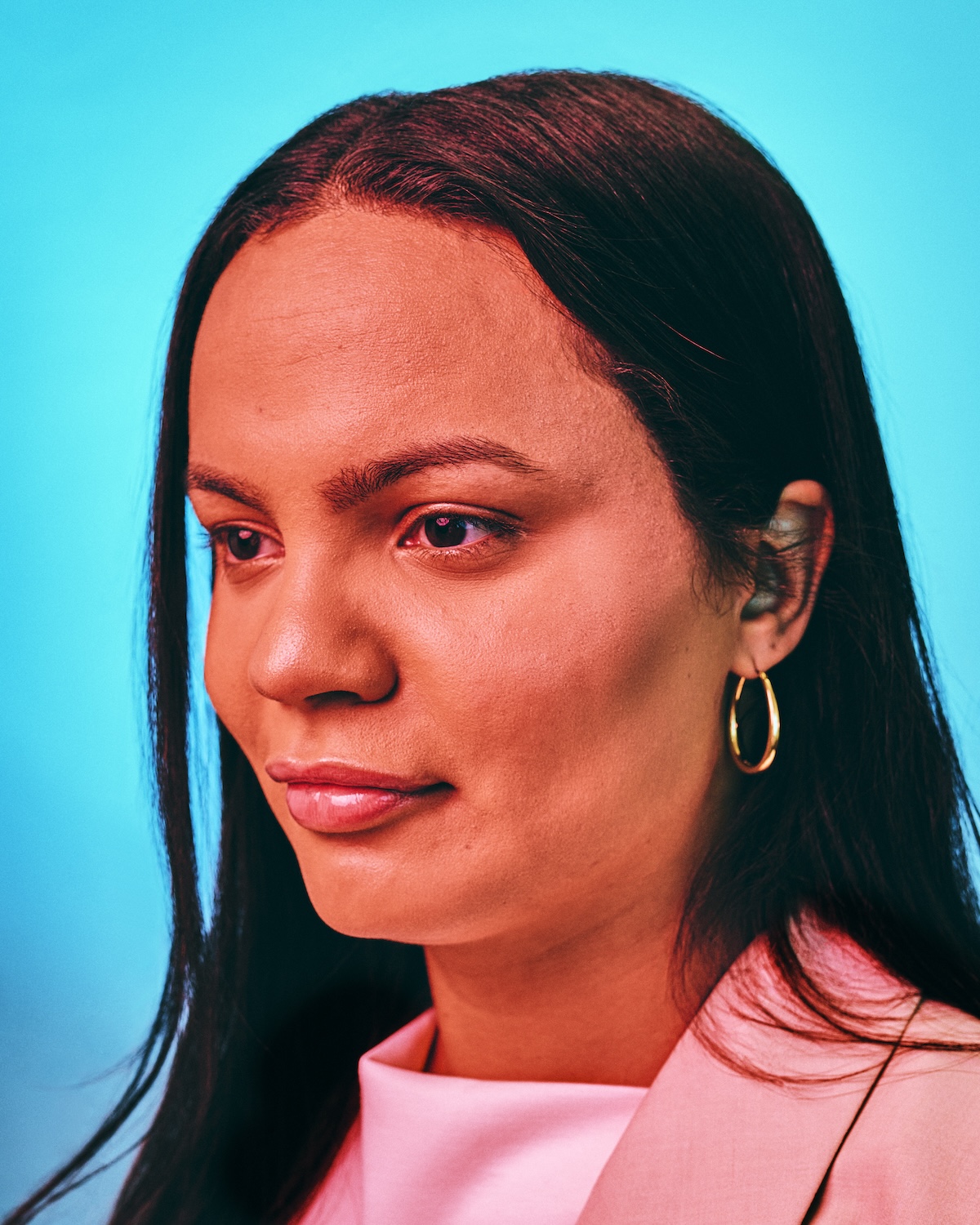
Executive director
Appointed 2026
Queer icon: Trans rights activist Kiara St. James. “I look up to Kiara St. James because she was a mentor who led with humility, compassion, and a deep understanding of the roots of our movement.” (Photo by Ben Berkes)
As the Trump administration has focused on rolling back rights for transgender people – from a military service ban to threatening funding for hospitals providing gender-affirming care – Ossé said fighting for funding for organizations serving trans people is a top priority. “We want to make sure that in the same way that this is a sanctuary city for immigrants, that this is a sanctuary city and a safe place for trans people to live and to receive the health care that they deserve and need in order to survive,” he said.
Unlike council committees, which have a formal role in the legislative process, caucuses in the New York City Council can be what their leadership makes of them.
When former Council Member Jimmy Van Bramer was a member – a tenure that overlapped with the council’s second out gay speaker, Corey Johnson – there was a focus on advocating for funding for LGBTQ+ nonprofits that he had long been underfunded but which were providing crucial services like youth shelters or HIV and sexually transmitted infection testing.
In those years, the caucus ranged from four to seven members. The more prominent the caucus was, the greater impression it could make on the Budget Negotiating Team and council leadership. “We had a lot of great allies who are not queer, obviously, but it is different when queer people are at the table and when we bring numbers and when we’re unified,” Van Bramer said. “That produces wins.”
In the past few years, the LGBTQIA+ Caucus (renamed in 2022) has continued to fight for funding for those and many more organizations in the city budget. Last year, the caucus celebrated the inclusion of more than $13 million to LGBTQ+ organizations in the city budget, including what caucus leaders called historic funding for organizations serving trans people in particular.
As this year’s budget deadline approaches, advocacy groups want to see that funding grow. As of the time of writing, Ossé and Sanchez said conversations with the caucus and council leadership are still ongoing over funding priorities, but that they’re pushing to at least maintain last year’s investments.
The caucus held a roundtable in April with nearly 30 organizations to hear about their needs. Taylor Brown, the executive director of the new Mayor’s Office of LGBTQIA+ Affairs and a trans woman, was there, and caucus leaders are hoping she and the broader Mamdani administration will be a partner in the budget negotiations.
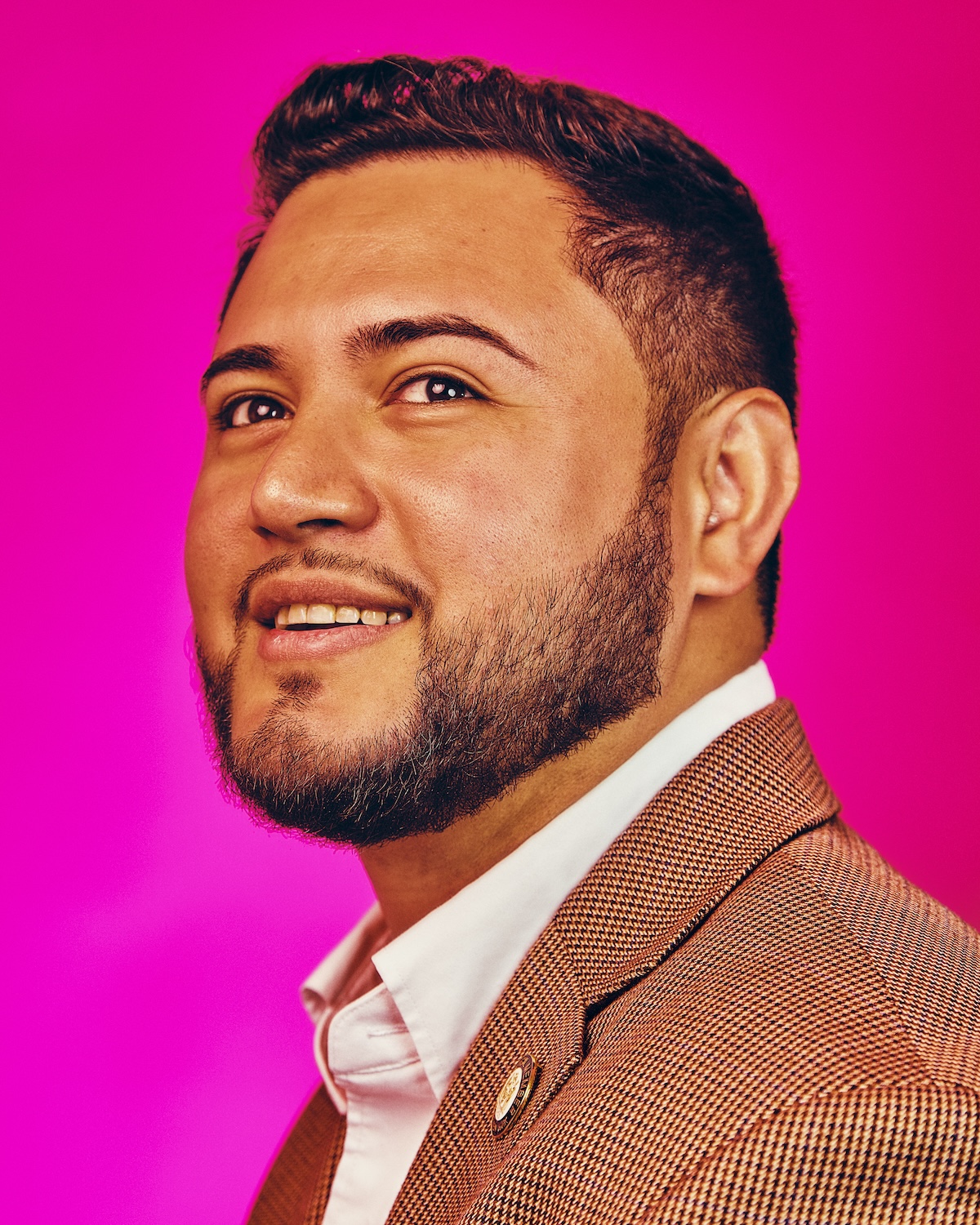
Bronx
Elected 2025
LGBTQIA+ Caucus Co-Chair
Queer icon: Paul J. Del Duca, chief of staff to former Bronx Borough President Ruben Diaz Jr. “(He) helped open the doors for so many of the Bronx and the city’s queer leaders of today and recent yesteryear.” (Photo by Ben Berkes)
“It has been such a breath of fresh air to really see an administration that really, truly centers some of our most vulnerable and really understands the crisis that our community is in,” Sanchez said. While Sanchez is new to the council, several returning members said Mayor Eric Adams’ administration was not always a helpful partner, and criticized comments he made last year about wanting to revisit school policy allowing students to use bathrooms based on their gender identity.
Post-budget, the caucus also aims to build on a policy framework released in 2023 under co-chairs Cabán and Council Member Crystal Hudson – updated the next year under Cabán and then-Council Member Erik Bottcher – which laid out a wide range of legislative and other priorities for queer New Yorkers, in particular Black and brown people. Policy objectives ranged from supporting the decriminalization of sex work to opening more shelters tailored to young adults. The framework also pushed for a Mayor’s Office of LGBTQIA+ Affairs – which Mamdani created this year.
While the caucus’s new leaders may put their own spin on what was first called the Marsha and Sylvia Plan, lots of the work still remains. Cruz said she’s hoping to revive at least one issue that was included in the initial plan: ensuring trans people going into city jails aren’t discriminated against, starting with where they’re placed.
Though caucus members raised a wide range of issues they hope to work on in the next year – addressing an uptick in HIV cases, securing funding for cultural and arts initiatives, building on a union hiring program – multiple members continually returned to trans health care and services as a particularly urgent need under the Trump administration.
That is an issue Carr hasn’t been vocal about. When asked about Trump’s various trans-related orders, Carr said he thinks everyone should be able to serve in the military, but declined to say outright if he agreed or disagreed with threats to NYU Langone Health for offering gender-affirming care to people under 18 or efforts to bar trans women from playing on women’s sports teams.
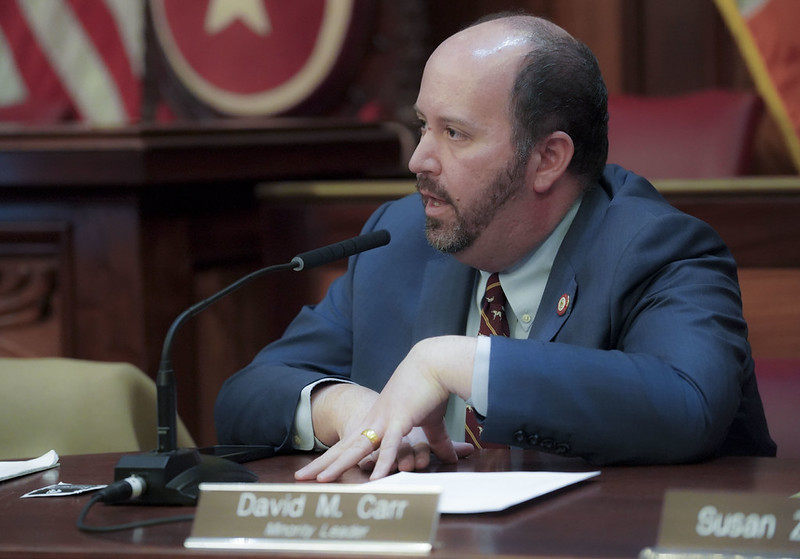
Staten Island and Brooklyn
Elected 2021
Queer icon: Civil rights leader Bayard Rustin. “He did so much to advance the cause of equality in America, and he did it with humility and skill. In his later years, he was a vocal anti-Communist and championed the cause of liberty on the international stage.” (Photo by Gerardo Romo / NYC Council Media Unit)
“I think that every person deserves to be treated with respect and dignity. That’s always how I come at everything, and the trans community is no different,” he said. “I have trans members of my own family. I love them dearly, and always want to support them. I think that’s generally what’s informed my approach. I think that where we come into difficulty with everything is that one person’s rights end where another begins.”
If it’s an area of disagreement with the broader LGBTQIA+ Caucus, it may not be one with many operational consequences, but an area where Carr is simply outvoted. “The Republican Party and Donald Trump have been targeting a group of people that make up less than 1% of the population, and I see it as this caucus’s priority to support those people, and you know, really want to work with all members of this caucus on being loud about that,” Ossé said. “Many folks within this caucus have been loud champions, and, you know, some could be a bit louder.”
There’s an undeniable urgency to the issues that caucus members and the organizations they work with raise as priorities. “Some would like to say we’re at kind of a post-gay era. We’re not,” Quinn said. “The community faces terrible challenges right now, in the city, state and country.” In addition to Trump’s trans actions, she cited hate crimes and bullying in schools, as well as higher unemployment and lagging salaries.
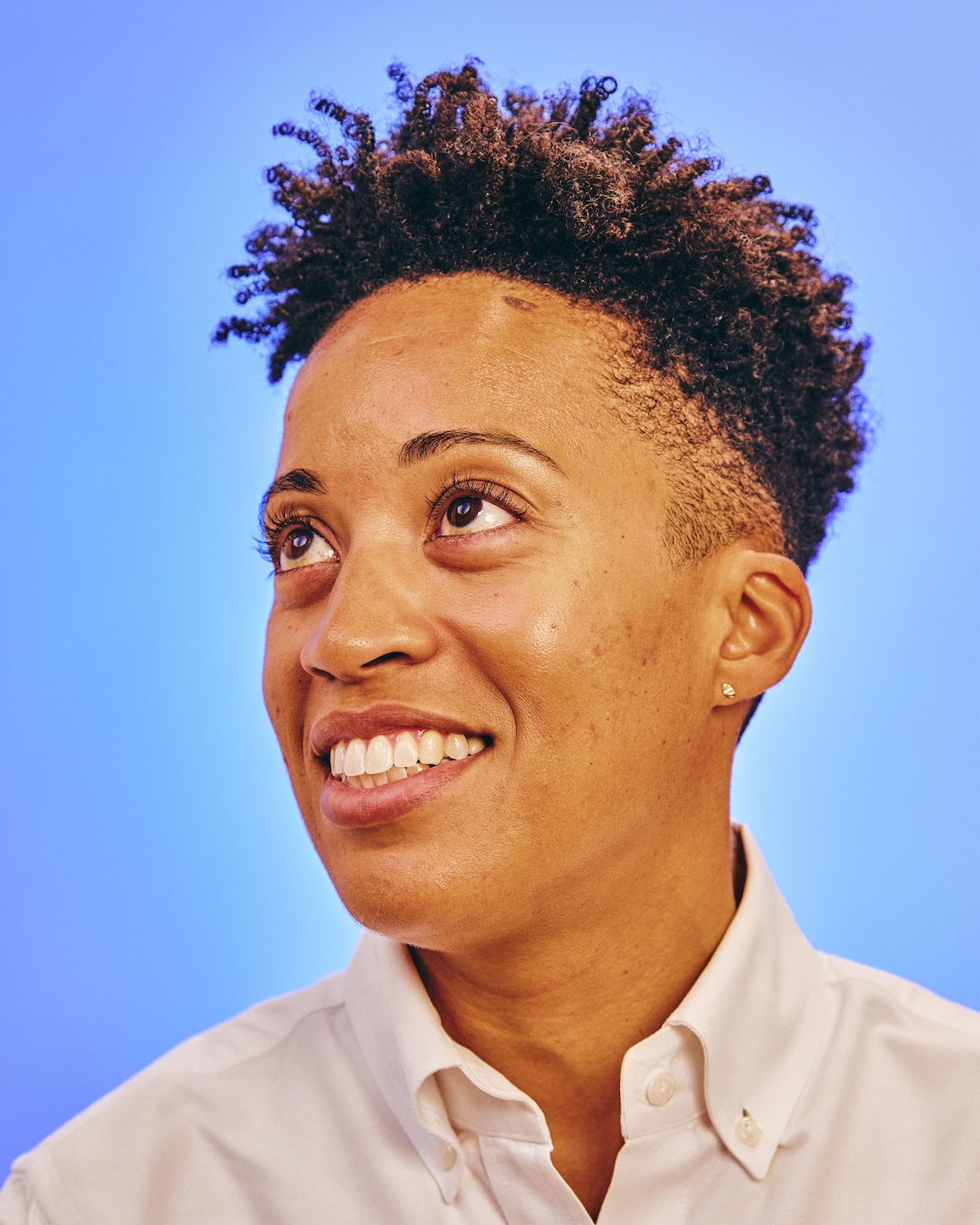
Brooklyn
Elected 2021
Queer icon: Civil rights leader Bayard Rustin. “His life is a reminder that some of the most important people in history are not always the ones at the podium but instead the ones making change possible behind the scenes.” (Photo by Ben Berkes)
“We’ve gained a lot,” Hudson said, referring to same-sex marriage, “and yet we still have very far to go. We have Black trans women that are being killed. We have the trans community under a constant attack.”
Even with that urgency, the new caucus is eager to celebrate at this month’s annual Pride event: what Sanchez and Cruz said will be the first “City Hall Ball,” a celebration of Ballroom culture in the chamber. “The idea behind it is five boroughs, three categories, one crown,” Sanchez said, keeping those categories close to the vest.
“Ballroom is about self-expression. Ballroom is about truly tapping into whatever fantasy that you want to be for that day, that night, that hour,” Sanchez said. “And it is about achieving dreams that usually were unachievable.”
NEXT STORY: This week’s biggest Winners & Losers