

40 Under 40
The 2026 Albany 40 Under 40
Rising Stars in state government and politics.

City & State presents the 2026 Albany 40 Under 40. Greenberg Traurig; Manon Productions; Darrell Camp


Albany is a place where the most powerful offices are traditionally reserved for those with age and seniority. Among the most high-ranking politicians in state politics, it’s hard to find anyone under the age of 50. Of course, as a certain 34-year-old mayor could tell you, decades of government experience isn’t necessarily a prerequisite to wielding power in the state Capitol.
Indeed, there are plenty of young leaders in Albany who are already having a real impact. City & State’s Albany 40 Under 40 puts a spotlight on a cohort of young professionals who are shaking things up in the overlapping arenas of government, business, nonprofits, health care, labor, higher education and economic development. The 2026 list features lawmakers from the Bronx and Brooklyn, the son of an upstate member of Congress, a criminal justice reformer who’s now working for the Assembly speaker and dozens of other exceptional individuals – all under the age of 40.
We’re pleased to present the 2026 Albany 40 Under 40 Rising Stars.
Entries by Alisha Allison, John Celock, Aaron Short and Grace Thomas

John Ahearn III
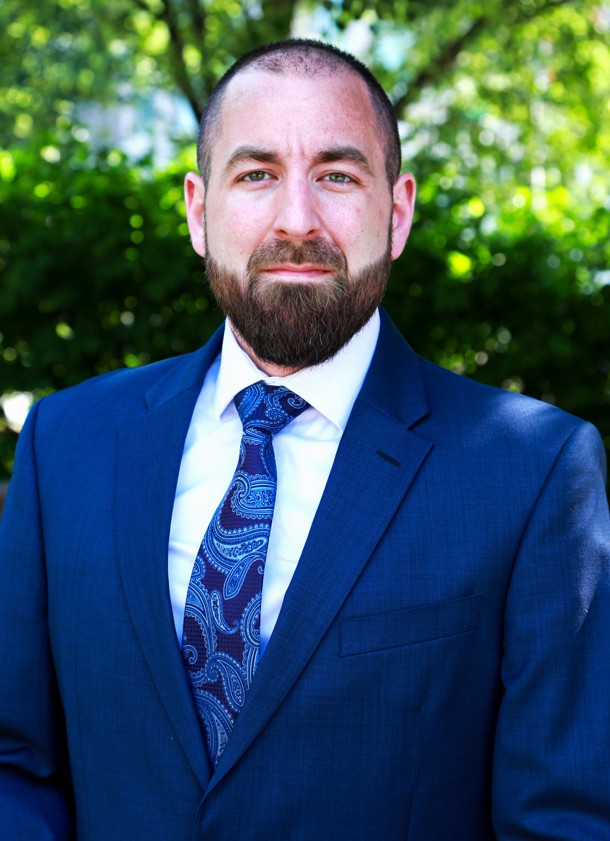
John Ahearn III’s experience remodeling buildings when he was growing up instilled values that put him on the path to becoming a successful attorney as an adult.
“Hard work and long hours taught you that you had to put in the effort if you wanted to get the reward,” he says. “It was also always better to do it right the first time.”
The Ulster County native graduated from the College of Saint Rose in 2012 and went to Albany Law School, where he specialized in environmental law. Ahearn’s first job as an attorney was for a firm in Orange County. He represented the town of Goshen, where Legoland New York wanted to build its theme park, and intense community interest in the permitting process surprised him.
“Hundreds of people who were largely opposed came out,” he says. “They couldn’t hold the meetings at the town hall, so they moved it to the auditorium at the county’s emergency center.”
In 2021, Ahearn joined Couch White, where he has helped commercial developers and industrial businesses obtain air, mining and wetlands permits. He recently assisted an Albany developer in resolving litigation to get a stalled $13 million apartment project moving. He also worked on more than 300 renewable energy projects comprising 1 gigawatt of power.
This year, he’s tracking the governor’s efforts to reform the state’s environmental review laws, known as SEQRA.
“SEQRA is being used as a weapon to oppose developments that people don’t like and that’s not really the purpose of it,” he says.
– Aaron Short
Madeline Austen
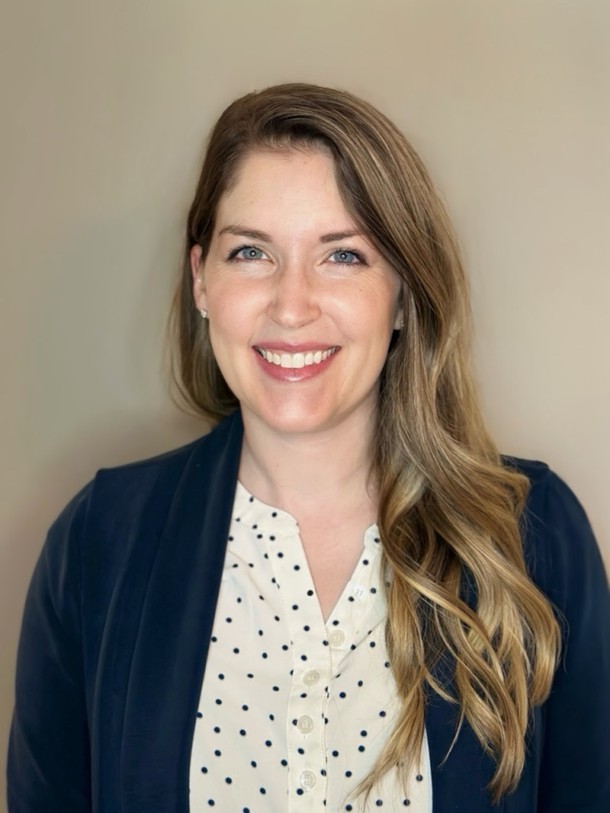
Madeline Austen is a problem-solver at heart.
Leading support services at Transfinder, Austen has put her desire to help others and solve problems to work. Transfinder focuses on software in the school bus transportation industry, working to improve travel experiences for students, along with transportation safety.
“I’ve always been really drawn to problem-solving,” Austen says. “I never thought I’d be able to find so many opportunities to problem-solve in a logistics company.”
Austen’s proudest accomplishment to date is overhauling the way that client support services are handled at Transfinder. She reviewed the fact that the previous system was mainly just a format of taking service requests in the order they were received. After doing a deep dive into client service data for the past several years and determining the key areas, Austen saw that the company could do more for specialized enterprise service clients.
Austen used this data to overhaul the support services department into what she describes as almost a brand-new department in terms of its approach to client support services.
“I’m very proud of having that be the initial part of my legacy with the company,” she says.
Austen credits much of her interest in client services come from having previously worked as a waitress, bartender and at a golf course, giving her the opportunity to develop her skills.
“Eventually it became a passion for me, I think because of all the time I spent doing that from a very young age,” Austen says.
– John Celock
Jill Behrmann

When Jill Behrmann didn’t know how to land a job in state politics, she turned to bartending at City Beer Hall.
Fortunately, the Albany native picked the perfect place to launch her career. Her regulars were often labor leaders, state legislators and members of the Executive Chamber. When she complained about her day job as a legal secretary, one responded with an offer.
“I was in this world I wanted to break into and I didn’t realize everyone around me could help me do that,” she says. “One of them said, ‘Why don’t you just come work for me?’”
Behrmann started out as a legislative intern for District Council 37 in 2013, and temporarily relocated to Boston to work with the Massachusetts Teachers Association. In 2016, she returned to New York and began coordinating the governor’s travel logistics as a scheduler.
But Behrmann missed working on legislation and joined Albany Strategic Advisors in 2017 to track legislative bills. She got promoted to legislative director a couple months later and started taking on clients.
She has been working with state’s volunteer firefighters, for whom she helped change a law allowing them to bill for their ambulance services, and with paid firefighters to phase out flame-retardant chemicals in their gear.
These days, Behrmann is the one hosting events at Albany’s famed watering holes.
“We do fundraisers at City Beer Hall now,” she says. “It’s kind of weird seeing the next generation of people getting their big break into politics.”
– A.S.
Niyah Booker
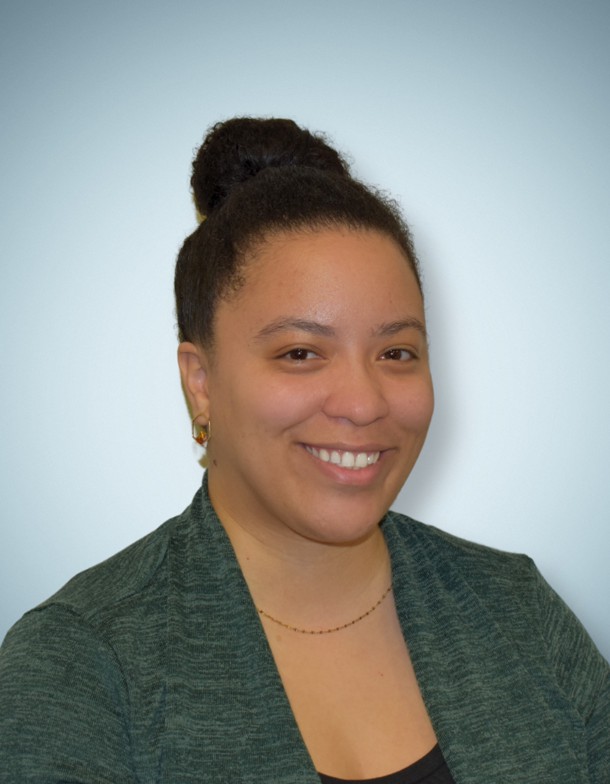
Niyah Booker couldn’t narrow down her professional aspirations when she was young.
“I kind of wanted to do everything,” she says. “I was going to be a farmer, a teacher, an actress, an astronaut … so are you going to be a pop star in space?”
The Dutchess County native graduated from the University at Albany in 2015, and started her career at Children’s Home of Poughkeepsie, where she assisted with foster children counseling and placement.
“There were definitely times I would be the only one that the child wanted to talk to,” she recalls. “They wanted to be loved, cared about and told that they mattered.”
In 2016, Booker joined St. Anne Institute, where she provided one-on-one counseling for a special needs student before serving as a teacher in the residential and community-based treatment center.
When Booker saw the Early Care & Learning Council had an opening for an associate to run racial equity initiatives, she jumped at the opportunity. Now she helps run a monthly webinar to provide diverse perspectives on early childhood topics, advocates for more child care resources and works on a curriculum toolkit for providers.
This year, Booker is tracking the governor’s push to expand universal child care statewide and has assisted her organization’s Albany advocacy days.
“We want children to be in thriving education programs that support their age-appropriate curriculum,” she says. “We saw when child care shut down during the pandemic how important it was. People realized our workers need child care and the system isn’t working.”
– A.S.
Robert Carroll
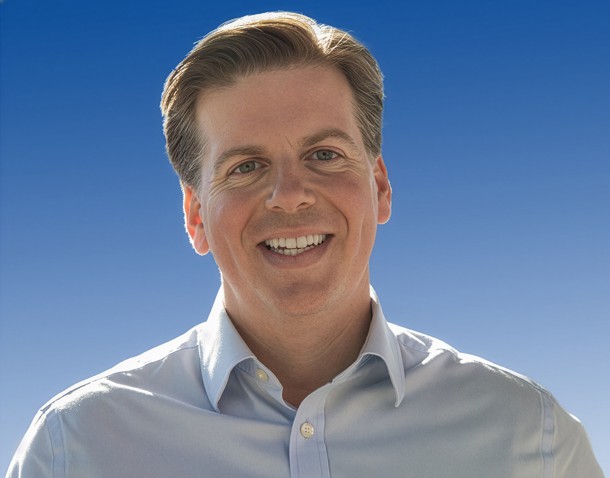
Assembly Member Robert Carroll is passionate about literacy reform, environmental protection and bringing the Winter Olympics back to New York.
“I care deeply about issues around education and the environment,” the Brooklyn lawmaker says. “I care deeply about making New York an interesting place for people to come and to dream.”
His passion for evidence-based literacy reform, in particular, is fueled by his experience growing up with dyslexia. He has broken ground in dyslexia policymaking, most recently establishing a statewide center for dyslexia and dysgraphia within the state Education Department.
“I personally struggled with dyslexia when I was a young man,” he says, “and I would not have been able to become a successful student if not for early identification and early interventions that changed my life.”
One of the ways Carroll achieves his goals is working with other elected officials to solve problems – even if it means getting arrested for seeking access to a federal immigrant detention facility.
“I’ve had great collaborative roles with so many of my colleagues and so I’m hoping to build on that,” he says.
Similar to how he brings issues close to his heart to the Assembly floor, Carroll thinks young professionals interested in politics should do the same.
“The most successful people I’ve seen have usually come to this work because they are uniquely passionate about a specific thing that state, local or federal government impacts,” he says, “and they want to make sure that the voices of people who those issues impact are heard.”
– Alisha Allison
Amanda Cavanaugh
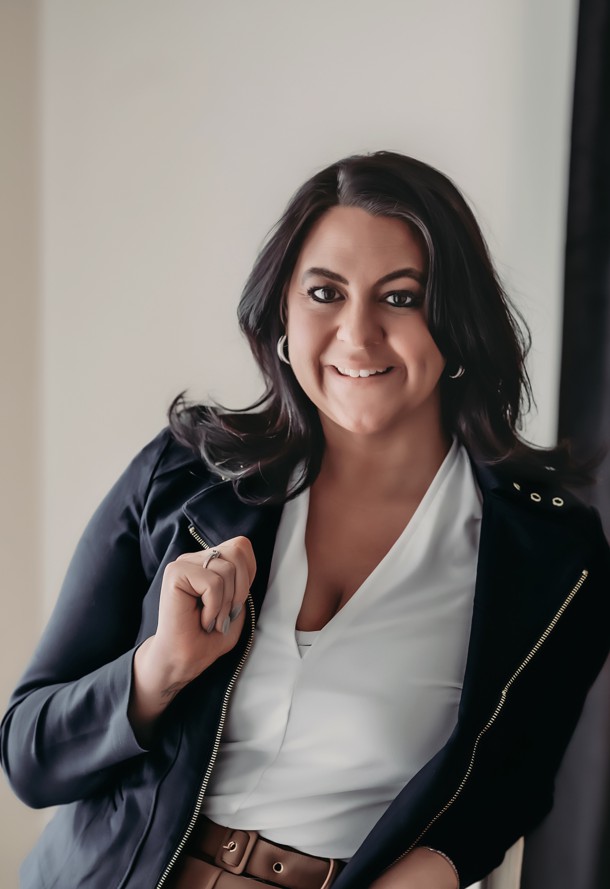
Amanda Cavanaugh studied nursing in college before getting a job as a nursing assistant at Saratoga Hospital in 2010. Two years later, the Fulton County native began working for an insurance company, but the experience of watching her partner suffer prompted her to change her career.
“My partner Chrissy had a rare form of pancreatic cancer, and she was sick for a few years and ultimately passed away,” Cavanaugh recalls. “I started volunteering a few months later.”
In 2015, Cavanaugh came aboard the end-of-life care advocacy group Compassion & Choices as a campaign organizer. Four years later, she helped get the Medical Aid in Dying for the Terminally Ill Act passed in New Jersey.
New York would take several years longer. After joining Malkin & Ross in 2021, Cavanaugh ramped up her coordination of lobby days and lawmaker meetings on the issue. Gov. Kathy Hochul announced in December that she would sign the Medical Aid in Dying Act.
“There were people who allowed us to be with them in their final moments, talking with them in their hospice beds with their loved ones around, and that was taxing to tell their stories,” Cavanaugh says.
She has also broadened her portfolio to work with the New Pride Agenda to secure funding for the LGBTQ+ community. She helped win $1.8 million for a youth hotline and funding for mental health clubhouses.
“I enjoy being close to the results,” she says. “Being able to bring people in and teach them to be good advocates and build those relationships themselves is rewarding.”
– A.S.
Kara Cumoletti
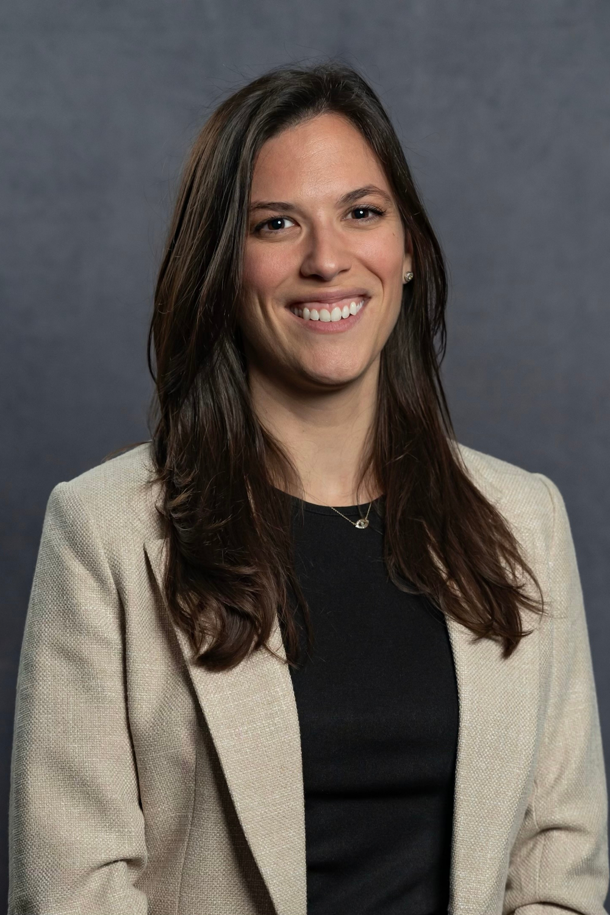
Kara Cumoletti never planned on pursuing a career in politics. “Politics was the absolute last thing on my mind growing up,” she says.
The day after her college graduation, she arrived for her first day as a legislative intern, intending to take a gap year while she applied for law school. The office initially told her they didn’t have the capacity for her.
“The phone was ringing off the hook and I just said, 'Well, I’m here,'” she recalls. “Do you want me to answer that?” She completed the internship, which led to full-time roles in the state Senate, launching a career that eventually propelled her to a key post serving the state’s top elected official.
Cumoletti credits a mentor for encouraging her to stay in government instead of going to law school. “She helped me understand that there is so much value in being able to help people tell their stories,” Cumoletti says.
She had a particularly difficult period a few years ago, when her father and uncle both died, and the state senator she worked for lost a reelection campaign.
But after President Donald Trump was reelected, she knew she couldn’t stay away. “Having worked in the Legislature when he was president before and understanding how much damage that really did to communities and people here in New York, it was really a big wake-up call.” Now, there’s no place she’d rather be than in the governor’s office, continuing to help tell New Yorkers’ stories.
– Grace Thomas
Matthew Delaney
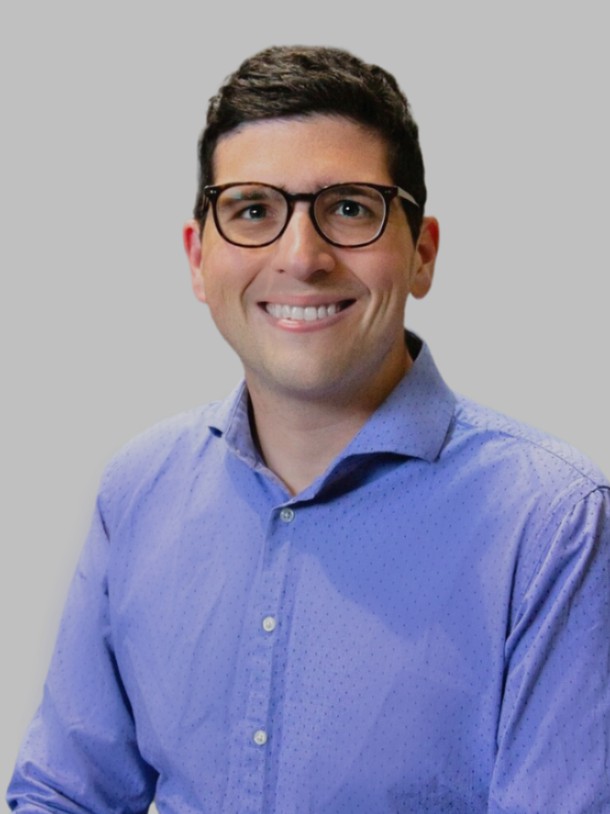
Matthew Delaney had to adapt to a bleeding disorder growing up, which kept him from playing contact sports or joining most gym classes at school.
“A concussion with a bleeding disorder could be pretty fatal,” he says. “I could still be a kid and play kickball, but there was always that piece in your mind.”
When his parents sent him to a specialized overnight camp in the Adirondacks, he learned to empathize with other children with chronic diseases.
“I credit camp with every good attribute that I have,” he says. “I met kids who had cancer and muscular dystrophy and some who later passed away.”
Delaney’s eye-opening camp experiences stayed with him throughout his career. After graduating from SUNY New Paltz in 2018, Delaney worked as a legislative aide for the state Senate, then joined the Mental Health Association of New York State.
When a position to manage state government relations for the National Bleeding Disorders Foundation opened, Delaney was a natural fit.
“While a little bit daunting to tie my personal life and my career together, I felt I could excel at it,” he says.
Delaney has advocated for changes that increased coverage availability and banned co-pay adjustor programs where patients had to pay thousands of dollars in deductibles upfront. Now, he worries how federal cuts to Medicaid will affect chronic disease patients.
“We are some of the most expensive patients to treat in health care,” he says. “We’re the canary in the coal mine when it comes to insurance.”
– A.S.
Denisse Girón
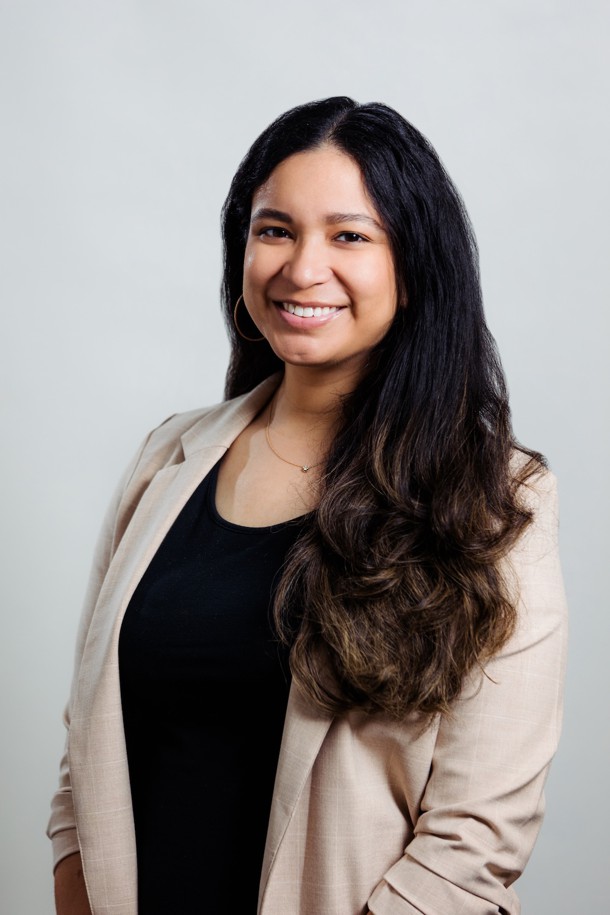
Denisse Girón was first introduced to local politics by her mother who helped plan an annual Central American parade on Long Island.
Girón and her family, who emigrated from Costa Rica, attended public hearings to secure funding and met Nassau County elected officials and took photos with them at the parade every year.
“It was really important for my mom to teach us about our culture,” Girón says. “Being a young Latino on Long Island, it’s hard to stay away from politics.”
Girón attended Hofstra University, where she saw Barack Obama, Mitt Romney, Donald Trump and Hillary Rodham Clinton at two presidential debates on campus. But her interest in politics grew out of her volunteer work with Planned Parenthood and a fellowship at Make the Road New York.
After graduating in 2016, Girón applied for a job in Gotham Government Relations and was tasked with ensuring compliance with public ethics laws. She joined Kasirer in 2018 and had a similar lobbying compliance role.
In 2022, Girón moved to MultiState, where she handles compliance for the eastern half of the United States, plus Canada and Puerto Rico. It hasn’t been easy to learn how different ethics laws apply in two dozen states and thousands of municipalities, but her work developing relationships with ethics commissioners helped her firm follow the law without confusion.
“Dealing directly with the ethics commission is a two-way street,” she says. “They want information to be ethical and transparent but they have to understand there’s an administrative burden to the reporting.”
– A.S.
Michael Greco

Michael Greco was thinking of becoming an attorney while he was in college, but an encounter with one of Erie County’s top lobbyists changed his career trajectory.
When the Buffalo native was at the University of Pittsburgh, a friend connected him with Jack O’Donnell, who had attended his high school. Greco sent him an email to learn about his practice.
“They were looking to bring someone on to start from the bottom rung, so that’s what I did,” he says.
Greco has gotten used to driving on Interstate 90 to Albany, where he has represented several of the firm’s clients. So far, Greco has worked with the Buffalo Zoo to help expand its campus and the Monroe County Water Authority to upgrade its cyberinfrastructure. He has also helped smaller nonprofit health services providers, including Endeavor Health Services and Horizon Health Services, identify funding.
This year, Greco is seeking to establish a motor sports caucus in the Legislature on behalf of the Watkins Glen International racetrack to recognize racing’s impact in the state.
“Tourism is a big driver in this region, and when the economy is precarious that’s the first thing people cut,” he says. “We’re looking for the state to help bridge the gaps.”
Greco is optimistic about Buffalo’s future thanks to Gov. Kathy Hochul and state lawmakers looking out for the region.
“The governor is here frequently and takes the time to hear from different stakeholders,” he says. “Having that voice in an area that has been traditionally New York City-centric has benefited us.”
– A.S.
Gillian Hamilton
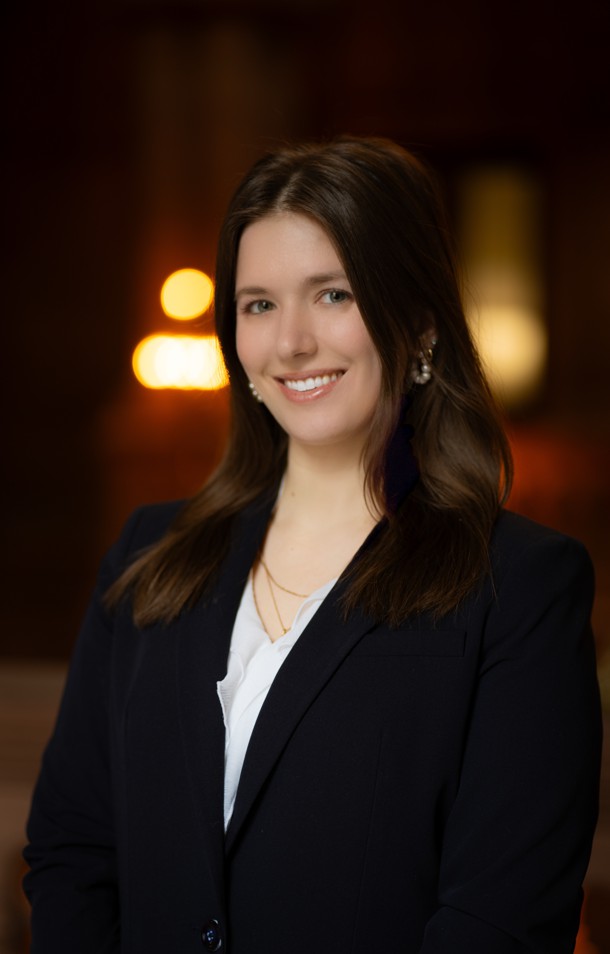
Gillian Hamilton went to school for journalism, but found economics so interesting that she pursued a second bachelor’s degree in the subject.
“I like understanding how policy impacts the person’s spending power,” she says. “There are policies being made at the state level that impact people in our community and that’s where my inspiration came from.”
Hamilton graduated from SUNY New Paltz in 2020 in a virtual ceremony due to the COVID-19 pandemic, in which graduates submitted photographs for a virtual PowerPoint presentation. “It was odd and very anticlimactic," she says.
After finishing her second degree at the University at Albany, Hamilton started at WNYT in Albany as a producer, then joined New York StateWatch in January 2022 where she tracked legislation, monitored budgets and wrote about energy and environmental committee meetings.
Six months later, she moved over to the Times Union as a digital producer, where she helped manage its website and wrote a newsletter while pursuing her master’s degree in economics from the University at Albany.
In 2024, Hamilton left the Times Union for Statewide Public Affairs, where she could apply her knowledge of macroeconomics and the state legislative process. She has worked with the New York State Restaurant Association to pass a bill allowing restaurants to purchase small amounts of liquor without being penalized and sought funding for the Children’s Institute and Metropolitan College of New York.
“I’ve been in school for basically the last 10 years on and off and I’m open to what this work will bring and curious to learn more,” she says.
– A.S.
Krista Hesdorfer
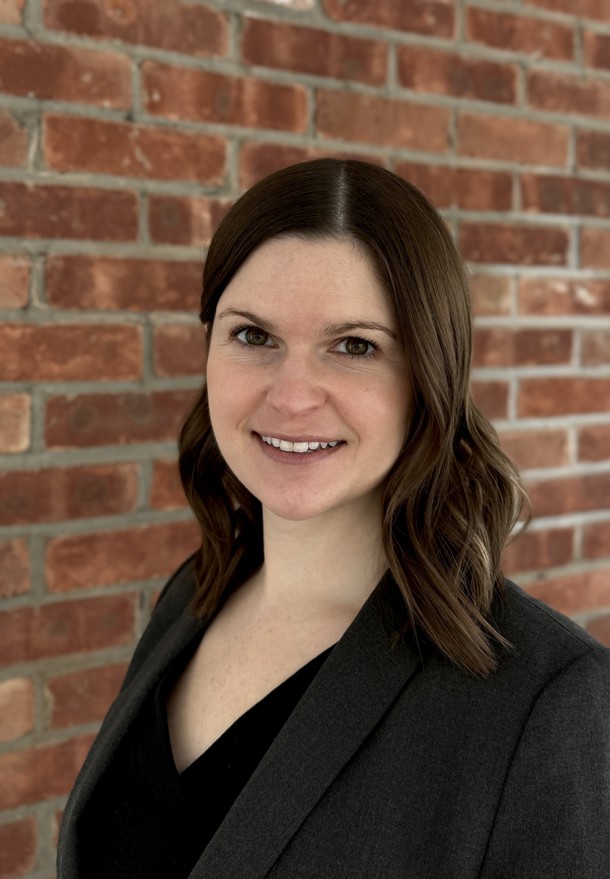
Krista Hesdorfer’s experiences on an upstate vegetable farm in high school and college made her want to tackle food insecurity.
She would wake up at 4:30 a.m., load up a truck with produce and sell it at farmers markets in Delmar and Colonie.
“People would ask me what to do with unfamiliar vegetables,” she says. “I took my job very seriously and I would take vegetables home and do the very hard work of learning how to use them.”
After graduating from Hamilton College in 2014, Hesdorfer moved to Delmar to work with a nonprofit helping Schoharie County residents with their Supplemental Nutrition Assistance Program as well as Women, Infants and Children benefit applications.
She enjoyed working directly with her community but realized recipients frequently dealt with barriers accessing food assistance, so she sought a broader advocacy role.
“It’s a critical responsibility not only to hold the line on current programs but build a stronger safety net so we don’t pull the ladder up behind us,” she says.
In 2016, Hesdorfer joined Hunger Solutions New York and helped lead its healthy school meals campaign, which pushed the state to provide free meals to 2.7 million kids.
Now she’s working on efforts to boost funding for SNAP and WIC at the state level after federal cuts to food assistance programs.
“If you asked me 10 years ago I wouldn’t have guessed we would have seen universal school meals in my lifetime,” she says. “During the pandemic, everyone coalesced around the idea that people need access to food.”
– A.S.
Cortney Hinson
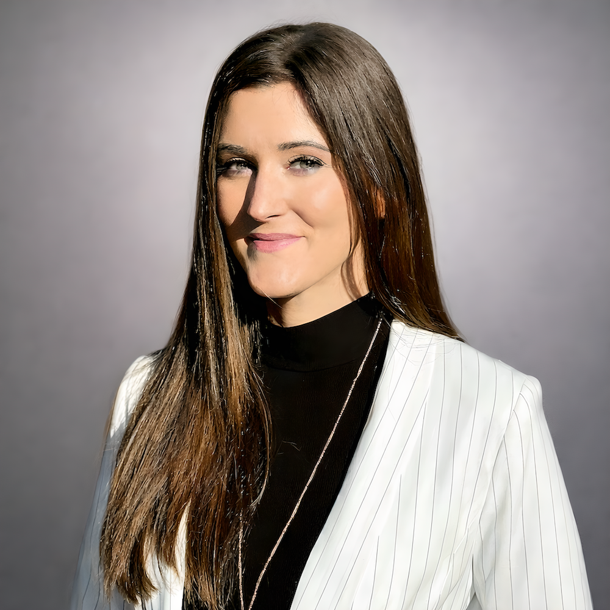
Cortney Hinson’s experience with substance use disorder made her dedicate her life to ensuring no one fighting addiction falls through the cracks. The Columbia County native entered recovery at age 19, but it wasn’t easy to navigate her Medicaid insurance policy to cover her treatment.
“Healing from substance use disorder and mental health challenges is not an easy path,” she says. “The most challenging part is finding the right kind of care that someone needs and have it paid for.”
Hinson went on to become a credentialed addiction counselor, then worked on prevention efforts in New York through a Department of Defense contract. She served as director of workforce development for Families Together in New York State, where she advocated for Raise the Age legislation. She was statewide director of recovery training and education at Friends of Recovery – NY.
Hinson organized recovery rallies and sober events for young people. She was invited to be a subject matter expert with the U.S. Substance Abuse and Mental Health Services Administration. She presented on multiple occasions on opioid addiction and treatment.
“For so long our treatment structure was developed by people without lived experience,” she says.
Since joining the National Council for Mental Wellbeing in 2022, Hinson has launched the Start with Hope public service campaign, worked to expand access to care and supported the nation’s growing substance use peer workforce.
“I’m here because I’m an advocate, it’s my nature,” she says. “There’s so many people not getting the care they need.”
– A.S.
Alexia Holden
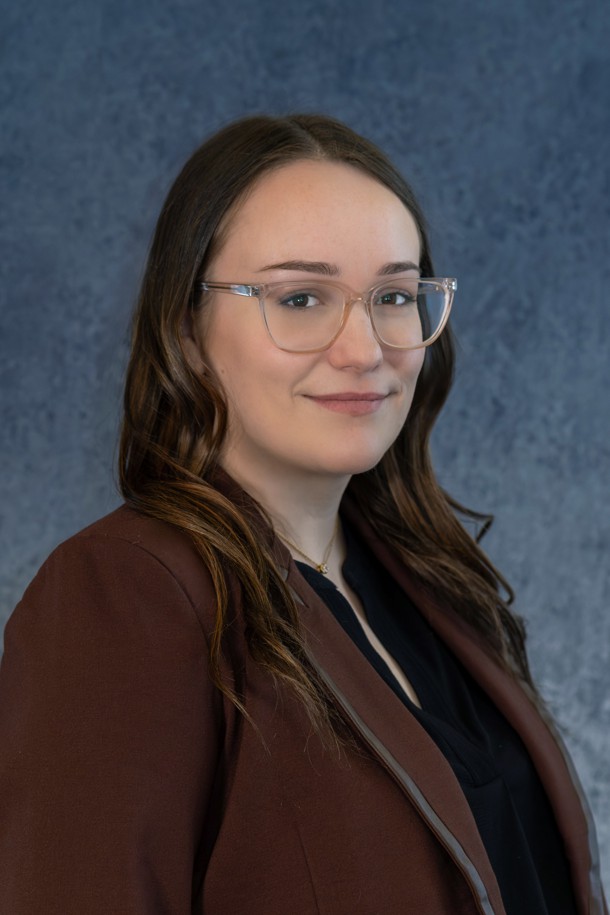
Alexia Holden learned the power of perseverance while volunteering on a state Senate campaign as a teenager.
The Guilderland native went door to door canvassing voters in her community in 2013, ultimately helping Democrat Cecilia Tkaczyk win a state Senate race by 18 votes.
“It was definitely scary at first,” Holden says. “I was used to going door to door to sell Girl Scout Cookies, but talking about politics and trying to get people to vote for someone is a whole different ballgame.”
When Holden graduated from the University at Albany in 2019, she found a position as a legislative assistant for state Sen. James Skoufis, where she contributed research and analysis for the Senate Committee on Investigations and Government Operations. She also worked for Assembly Member Jonathan Jacobson and pitched in on Skoufis’ reelection campaign. In 2020, she became state Sen. Samra Brouk’s legislative director, helping launch an effort to pass Daniel’s Law, which would send a crisis response team instead of police to respond to a mental health emergency.
Holden continued her passion for health care by joining the state Office of People with Developmental Disabilities in 2022. Three years later, she was hired by The Parkside Group where she works with various clients, including Youth Villages, a nonprofit helping behaviorally challenged children; VSP Vision Care; and a company that makes naloxone.
Now she has a well-rounded view of how Albany works.
“I thought being on the outside that you didn’t know what’s going on, but my perspective has totally changed on that,” she says.
– A.S.
Aung Hset
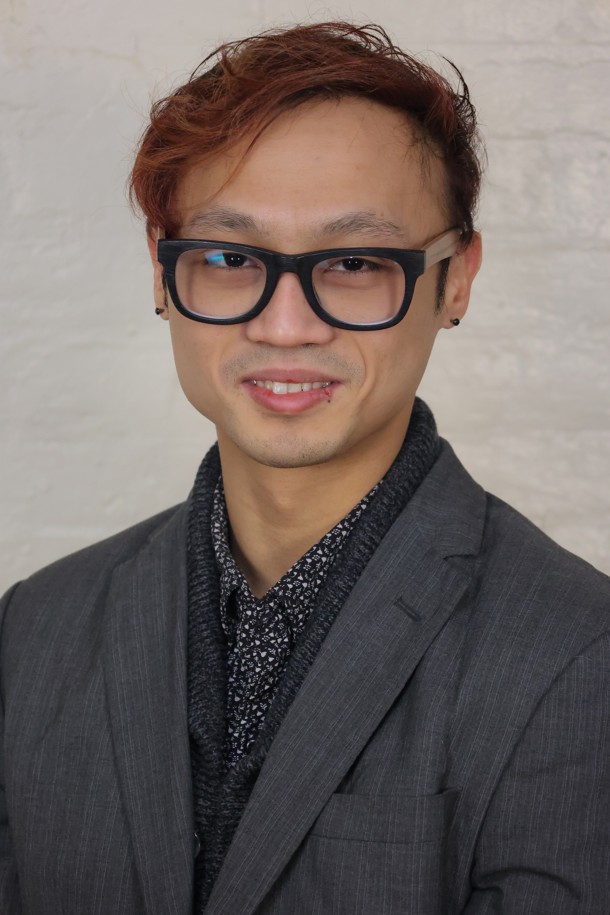
Aung Hset didn’t know much about American politics when his Burmese family immigrated to Elmhurst, Queens, in August 2008.
“I remember people were excited about (Barack) Obama being the first Black president, but I did not know how profound it was,” Hset says.
Hset was a quick study, volunteering for local campaigns while he was a student at Brooklyn Technical High School. He enjoyed having more freedom than in Southeast Asia, going outside to a park without his parents. His neighborhood’s diversity made a lasting impression on him.
“We had a lot of diverse cultures nearby and my parents’ house is near Little Thailand,” he says. “Even when I went to high school, you see the different cultures, so I never really felt out of touch.”
When Hset left Queens for the University at Albany in 2018, he experienced a greater culture shock. The restaurant scene was less diverse and Albany’s infrequent bus transportation made it more difficult to get around.
But Hset enjoyed his proximity to state politics. When he saw an opening for an internship at Dickinson & Avella, he applied and fell in love with the work.
He has since been helping clients protect voting access and ensure New Yorkers can afford quality health care.
One of his pet projects has been to destigmatize psilocybin, which people use to treat depression and addiction.
“When people think about psilocybin, they think hippies and Woodstock,” he says, “but expanding access to mental health is always going to be a good fight in my book.”
– A.S.
Melissa Kees
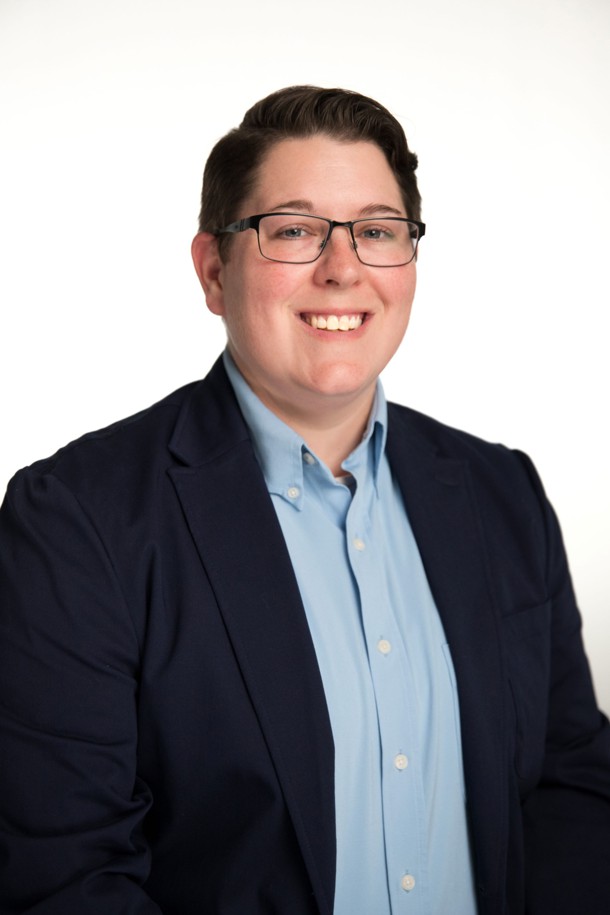
Melissa Kees has long understood the critical role that nonprofit organizations play in translating policy into practice.
The Vermont native interned with the New York State Association of Counties when she was at the College of Saint Rose, and rejoined NYSAC after graduating in 2009.
“Nonprofit organizations often help deliver those services or fill in the gaps or provide information,” she says. “I wanted to do communications around policies that impact nonprofits and how that translates into their constituents and communities.”
In 2010, Kees joined one of the Capital Region’s most well-known nonprofits, WAMC, starting out as an assistant to a sales executive and eventually managing the underwriting department.
Soliciting partners from other local organizations was sometimes a challenge, especially during the COVID-19 pandemic, but Kees embraced the mission of public radio.
“None of it was as intense as it is now, but there was always that looming fear that if the funding goes, how are we going to keep the lights on?” she says.
She left WAMC in 2022 but continued to work with nonprofit clients at the consulting firm Relentless Awareness before coming aboard Corning Place Communications in 2024. Lately, she has been working with the Retired Public Employees Association on several measures to increase cost-of-living adjustments and helping the United Way of New York State secure a stable source of funding for its 211 helpline.
“Having stable funding means you’d have a predictable budget,” she says, “and that helps you better execute your goals.”
– A.S.
Jared Kraham
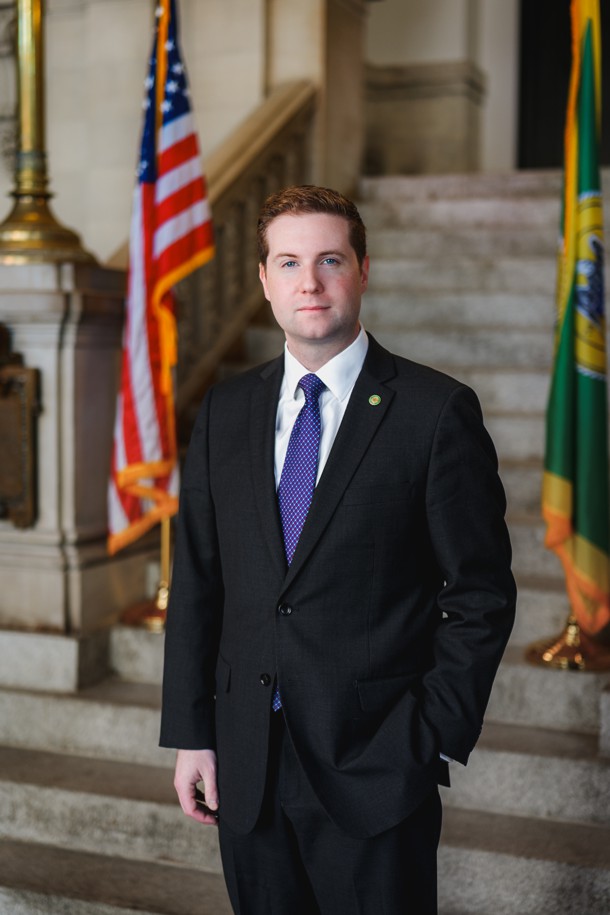
For years, Binghamton was focused on the past – remembering a time when shoppers packed downtown and IBM and Endicott-Johnson Shoe Co. delivered ample middle-class jobs. Now, with the city of around 47,000 on an upswing, Mayor Jared Kraham can’t stop thinking about tomorrow.
Kraham, 34, is focused on making the Parlor City a 21st century city.
“After college, I just knew that I wanted to return back here and be a part of that,” he says of the revitalization that lured him back.
The son of a former Broome County executive, Kraham worked on former Mayor Rich David’s 2013 campaign and soon after was appointed deputy mayor at age 22. In 2021, when David was term-limited, Kraham was elected mayor at 30 and was just reelected last year.
Kraham speaks with pride about record low crime rates and new housing and industry. Last year, the city received a $10 million state grant to revitalize Clinton Street in the working-class First Ward.
“I’ve always viewed that as kind of our downtown 2.0 in Binghamton, a little bit grittier, more eclectic, more historic, kind of downtown that is a great balance to our proper downtown,” he says of Clinton Street.
With Binghamton now attracting young professionals, Kraham is promoting it as an affordable small city, featuring a university, growing clean energy and technology industries and minor league sports teams.
“We can’t exactly replicate Manhattan,” he says, “but we can come damn close on a lot of what they have to offer.”
– J.C.
Rebecca Lamorte
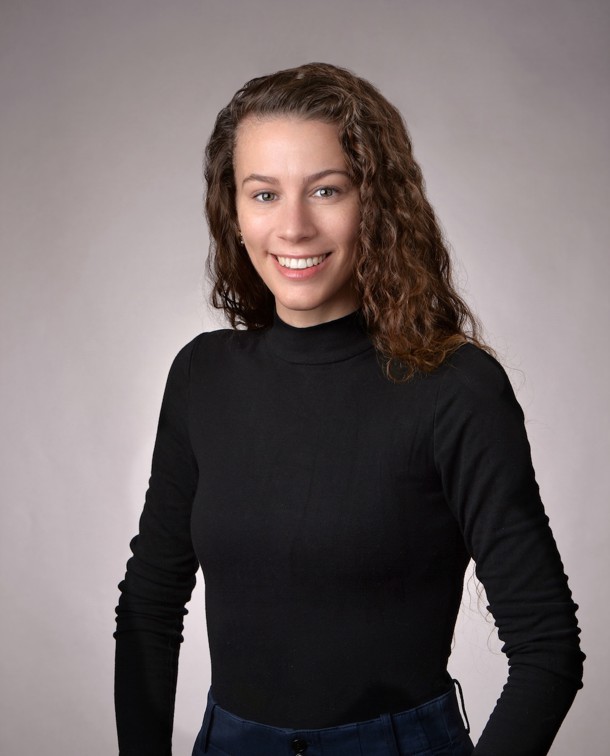
For Rebecca Lamorte, a subway accident when she was 22 years old changed everything.
In 2013, she was taking the No. 6 train home when a woman exiting shoved Lamorte, causing her to step into the gap between the train and the platform. The resulting injury caused permanent nerve degeneration in her leg and forced her to use a cane.
“That day changed my life and how other people treat me,” she says. “It gave me a passion not only to fight for myself but also for others.”
The Long Island native has continued to advocate for disability rights and organized labor. She got an internship with a woman-owned lobbying firm and helped construction laborers meet with elected officials. Then Lamorte joined a labor union as its in-house lobbyist in 2016.
In 2021, Lamorte mounted a New York City Council campaign with a pledge to improve accessibility.
“I ran with a campaign platform rooted in disability justice,” she says. “There aren’t many people with disabilities in elected office.”
In 2024, she joined the top lobbying firm Brown & Weinraub, where she helped pass legislation requiring the state to add formerly incarcerated people to New York State Industries for the Disabled’s hiring program. This year, she’s seeking more funding for a pediatric primary care program and hospital systems to ensure patients can get affordable prescriptions.
She enjoys demystifying the political process for her clients.
“It’s not something we learn about in school but being able to advocate for yourself is one of the main tenets of government,” she says.
– A.S.
Chelsea Lemon
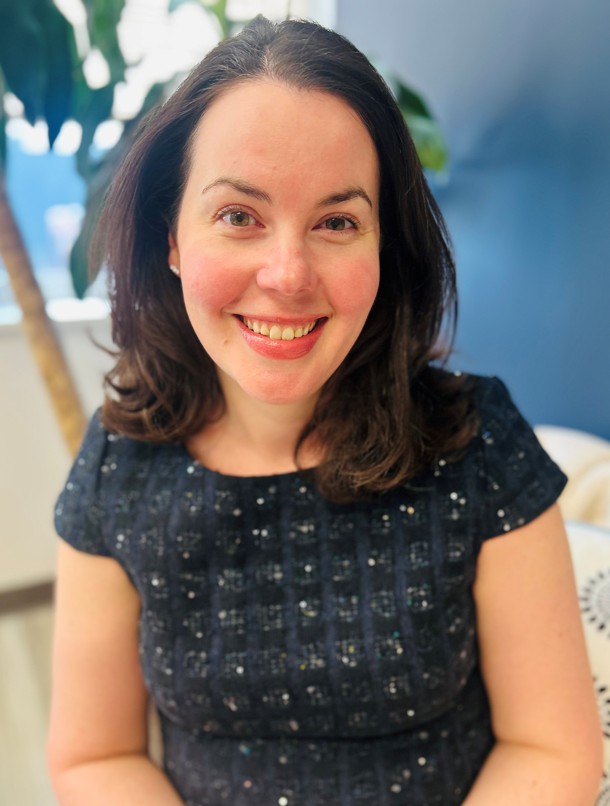
Chelsea Lemon once considered going to law school, but she enjoyed shaping legislative policy too much.
“I was always active politically and had a little period where I thought I was going to be a lawyer, but I decided maybe that wasn’t a route for me and I wanted to get back into politics,” she says.
The Hudson Falls native canvassed for then-presidential candidate John Kerry in New Hampshire in 2004 while studying at St. Lawrence University. She worked for a law firm in her first job out of school before joining U.S. Sen. Kirsten Gillibrand’s office in 2013.
Three years later, Lemon staffed then-Assembly Member Todd Kaminsky’s office, who then moved to the state Senate when he flipped a Republican seat in 2016. She became state Sen. Jim Gaughran’s legislative director in 2019. But when he retired, Lemon was at a crossroads – and she decided to join The Business Council of New York State in 2023.
“Being able to take the feedback that members have and go advocate is very similar to what I was doing in the Legislature,” she says.
Lemon has been instrumental in preparing the organization’s state business climate report, which offered dozens of recommendations to improve economic competitiveness. She helped organize roundtables with more than 500 businesses and used their feedback to push legislators to repeal or amend regulations and lower taxes.
“I can’t imagine living anywhere else but there are so many different factors in their way to being successful and growing in New York,” she says.
– A.S.
Anna Lis

Anna Lis emigrated from a small town in Poland to Latham, New York, in the 1990s, but didn’t find the transition difficult.
“It was pretty similar in terms of weather and the size of town I grew up in,” she says. “I learned how to speak English by watching ‘The Simpsons.’”
Lis got involved in politics at a young age when she volunteered for a Colonie town supervisor campaign, then had an Assembly internship while at the College of Saint Rose in 2010 and met then-aide Jessica Scarcella-Spanton. “She was my first mentor and taught me everything I know,” Lis says.
Lis returned to the Assembly’s central staff after graduating in 2011, then left for Greenberg Traurig in 2017 and got to know the Real Estate Board of New York as a client. She returned to the public sector in 2019 when she joined the de Blasio administration’s state legislative affairs team and helped launch the New York City Public Housing Preservation Trust.
Lis stayed on for one year in the Adams administration before leaving for REBNY in 2022. She helped the real estate industry secure $50 million for the Housing Access Voucher Program and championed the Affordable Housing Retention Act with Habitat for Humanity.
Now she’s advocating for an extension for the J-51 tax abatement and other measures to streamline development.
“It’s been really rewarding being able to build relationships and work in coalitions that lead to data-driven policy wins that increase housing supply and strengthen New York’s economy,” she says.
– A.S.
Katie McNamara
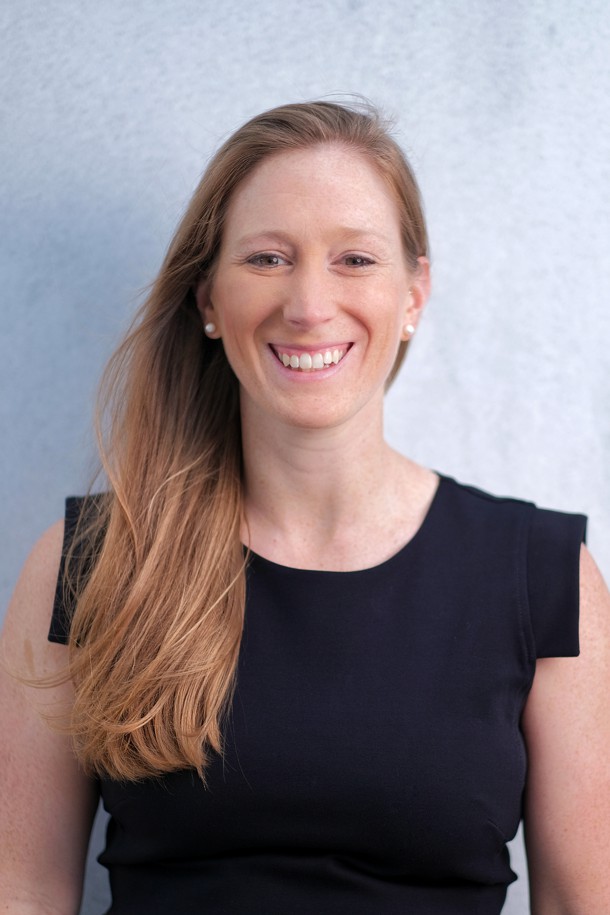
Katie McNamara could have been an anthropologist, but her love of politics led her to become an environmentalist.
“I liked the premise that there was an institution where you could make fundamentally significant change,” she says. “I realized how much of a leader New York is and how impactful that could be.”
The Albany native pursued a master’s degree in applied anthropology at the University at Albany, specializing in economic development in Nicaragua. Instead of getting a doctorate, she took a program counsel role with the Assembly in 2014 – which she says wasn’t a tough transition.
“The part of applied anthropology I liked was engaging communities, having stakeholder questions and ensuring that was integrated in the decision-making process,” she says. “The government really does that.”
McNamara was able to play a role negotiating what the state’s landmark climate law would look like in the state Senate and helped enact it by the time she moved over to the state Department of Environmental Conservation in 2019.
Five years later, McNamara left state government for Environmental Advocates NY to work on a robust agenda including the phaseout of plastic bags; removing toxins from cookware, dental floss and menstrual products; and protecting the state’s wetlands from contamination.
Her job has gotten harder now that the Trump administration has walked back efforts combating climate change, but she remains hopeful.
“You have to find this perfect medium,” she says. “How do you find the strongest law possible to protect New Yorkers and have longevity and be durable? It’s very challenging.”
– A.S.
Briana McNamee
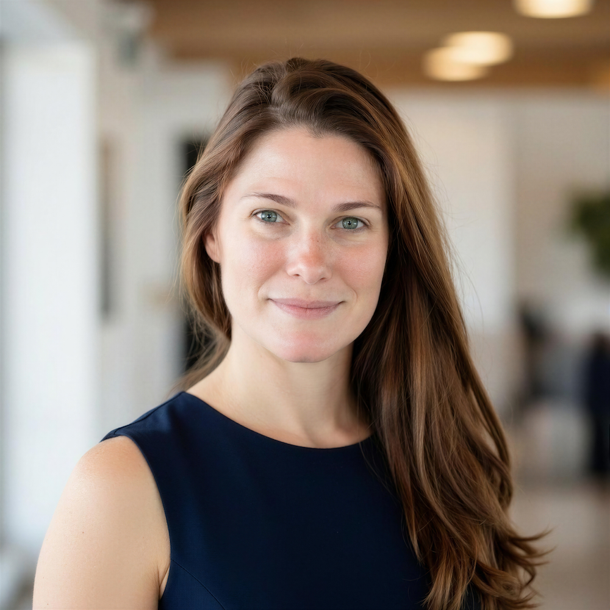
Briana McNamee learned a lot about politics from competing as a champion high school runner.
“Running is an individual sport, but it’s your team that gets you the great marks,” she says. “You’re only as good as those who you surround yourself with.”
Early in her childhood, McNamee’s family moved from Georgia to Niagara County, where she says “cows and apple trees outnumbered people.” She became a three-sport athlete in high school, helping her cross country team win titles before she was recruited to run at the University at Albany.
McNamee was also drawn to Albany because she had enjoyed spending time with her mom watching West Wing reruns. Her mom worked two jobs and was rarely home.
“Growing up we lived check to check,” she says. “My dad would come home and mom would have to leave, and I fell in love with the environment of politics.”
She went on to work in the state Legislature before working at Albany Law School. She had stints at the New York Library Association when libraries were relied on as vaccine distribution sites and social hubs during the COVID-19 pandemic, and the New York State Dental Association. She joined Tonio Burgos in September, representing community health centers, veteran groups and others.
Just like in track, McNamee work is multidisciplined. She understands that some campaigns aren’t sprints, and it can take multiple sessions to get across the finish line.
“Politics is an incredibly competitive field,” she says. “That can either hurt you or instill more confidence.”
– A.S.
Joseph Morelle Jr.
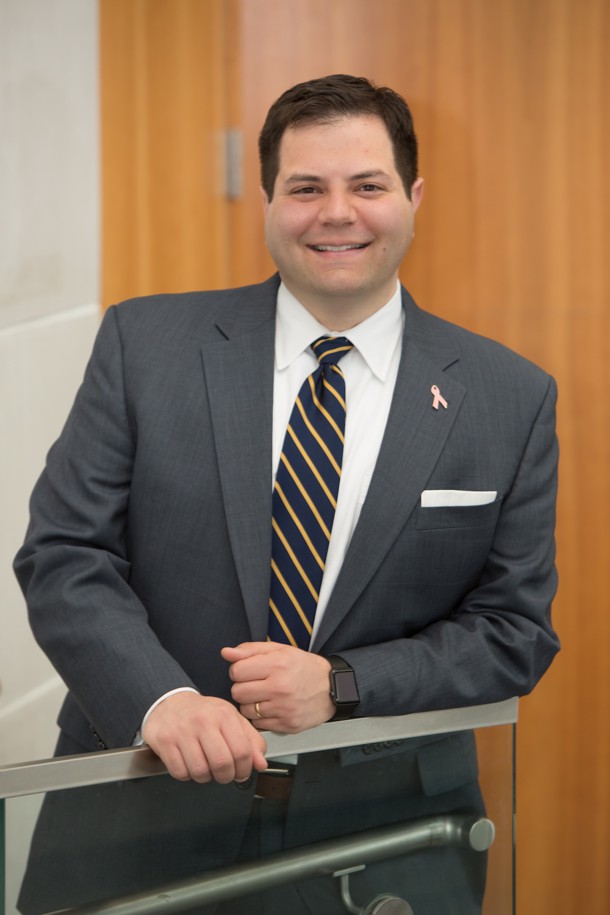
Joseph Morelle Jr. knows what it’s like to be an outsider despite hailing from a well-known political family.
The Rochester native’s father, Rep. Joseph Morelle, served in the Assembly as the younger Morelle grew up, and remains his closest adviser.
“It really didn’t matter whether you had a D or an R in front of your name, it was mostly about how you could work with people,” Morelle Jr. says.
That didn’t always work in practice when he was elected to the Monroe County Legislature in 2013 as one of the body’s only Democrats.
“I was the young loudmouth because I stood up to things that I didn’t think were right,” he says. “You could say, ‘No that’s not what we should be doing, we should be focusing on infrastructure, people and human capital.’”
Democrats reached a majority by the time Morelle left elected office in 2022. But he wanted to continue making Monroe County an attractive place to raise a family. At the union-management partnership UNiCON Rochester, he has helped secure funding to renovate the Joseph A. Floreano Rochester Riverside Convention Center and to improve the ESL Ballpark. He also advocated for funding to create High Falls State Park.
Morelle also launched TRACS, a preapprenticeship program that trained 180 adults in new construction skills in the past two years. “I want more private development to come to our region,” he says. “You can pull someone from poverty by giving them a career in building trades and that’s what I would love to see happen.”
– A.S.
Meredith O’Connell
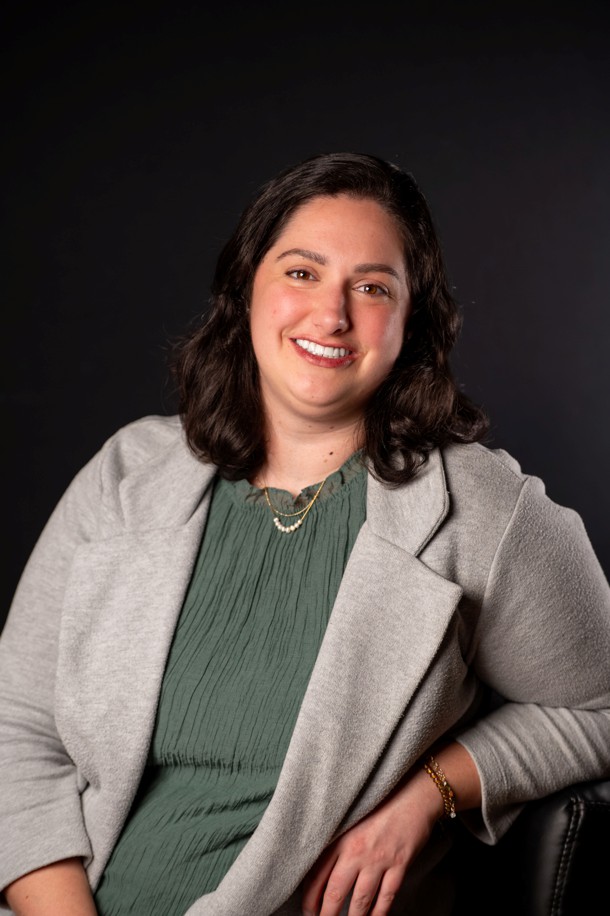
Meredith O’Connell wanted to be a museum curator when she was growing up, but found her calling in workforce development.
The Albany native attended Catholic University, interning with the Library of Congress and the Smithsonian Institution while she was in Washington, D.C. Her favorite part of the experience was exploring the institution’s map room in its basement archives.
“All the old maps were all hand drawn and some had sea monsters on them,” she says. “I thought, ‘Wow, these are hundreds of years old.’”
After graduating in 2016, O’Connell worked at an adult charter school in Washington, helping students in their 20s through their 50s gain literacy skills.
She moved back to Albany to work for the SUNY Research Foundation, teaching Microsoft Word classes and literacy skills. Then she moved over to Hudson Valley Community College customizing training for their apprenticeship programs, before joining the Center for Economic Growth in 2024.
“It was appealing to help people get jobs and resources that can ultimately lead to positive change in their lives,” she says. “For some, being an apprentice is a life-changing opportunity.”
At the Center for Economic Growth, O’Connell has managed 45 apprentices, developed a nanotechnology engineering technician apprenticeship program and worked with partners in semiconductor manufacturing.
“It’s really cool what’s being created in the Capital Region and just how far it’s sent across the United States and even internationally,” she says.
This year, O’Connell started a new role at NY Creates, a research and development innovation hub, partnering with workforce development employers.
– A.S.
Emely Paez
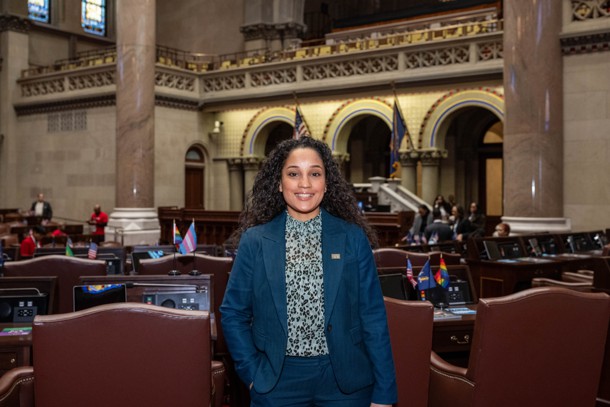
Emely Paez has a unique relationship with the nation’s most famous deli.
Her father was a chef at Katz's Delicatessen for over three decades, and other relatives joined him there, making trips to New York City’s pastrami palace feel like a homecoming.
“It was a part of my upbringing,” Paez says. “I wasn’t just picking up a sandwich, it was entering a place that felt cozy and familiar.”
Paez and her family left the Dominican Republic and settled on the Lower East Side in Manhattan in 1992 before relocating to Morningside Heights. After graduating from the University at Albany, Paez worked for then-state Sen. Jose Peralta, earned her master’s degree, and returned as Peralta’s chief of staff.
When Paez joined the Hispanic Federation in 2019 as its government affairs director, she found even more ways to give back to the community that raised her. She mobilized Latinos to be counted during the census, then worked with a coalition of nonprofits on get-out-the-vote efforts during the 2020 election.
“Our biggest highlight was really being able to create a pipeline for engagement with Latinos when it comes to voting,” she says. “That framework is being used still to this day.”
Now, Paez is at United Way of New York City, where she is pushing an anti-poverty agenda that includes preventive care access, universal child care and developing a Latine studies curriculum.
“We’re essentially advocating to help build equity independent of their demographic and looking at how we can leverage those issue areas for historically disenfranchised communities,” she says.
– A.S.
Michael Paulsen
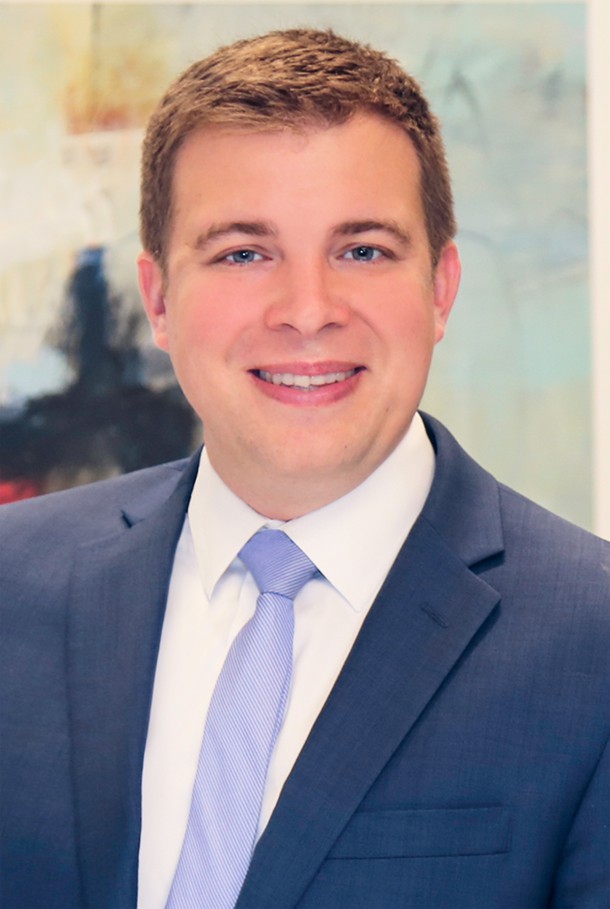
Michael Paulsen’s family ran a lumber distributor outside Albany, but he was always drawn to politics.
“I remember stories from grandfather and father going to meet with legislators,” he says, “and it sounded like the biggest deal in the world as a kid.”
When Paulsen was at what was then called Siena College, he interned with the Commission on Independent Colleges and Universities in New York. After graduating in 2009, he gravitated toward the intricacies of health care and insurance law at Albany Law School.
“I became pretty fascinated by the overall policies behind it, how it impacts not just the care you receive from the doctor but the economy, your out-of-pocket costs, and expenses for living,” he says.
Paulsen started his career at Hinman Straub in 2012, serving as a health care attorney focusing on New York-related policy for nearly a decade before moving to Manatt in 2021.
He has helped Memorial Sloan Kettering Cancer Center ensure its treatment innovations are covered by insurance and supported its collaboration with Jamaica Hospital Medical Center to bring cancer care to Queens. More recently, he helped Hudson Headwaters Health Network navigate the impact of the Trump administration’s Big Beautiful Bill Act on health care systems and uninsured people.
This year, Paulsen is aiming to reduce the timeline insurers have to respond to prior authorization requests for treatment, especially for oncology care.
“A few days’ delay seems minor in the grand scheme of things, but for someone diagnosed with cancer it can have a demonstrable impact on their outcomes,” he says.
– A.S.
Nicole Payne
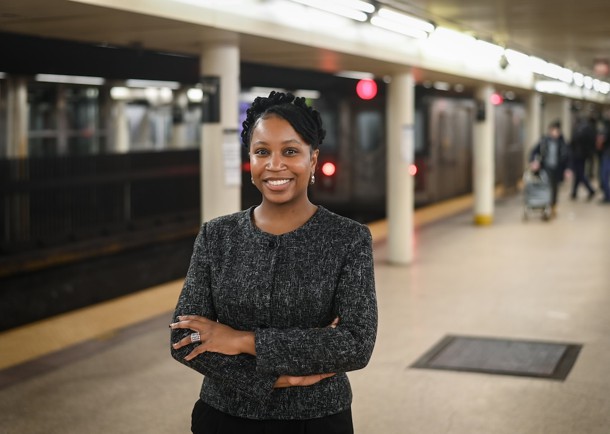
Nicole Payne began to think deeply about the limitations of public transit while commuting an hour to her high school and to after-school jobs.
“When I was waiting for the bus at a stop near the freeway so I could get to work on time, I became curious about who makes these decisions that make a material impact on transit,” she says.
The Maryland native moved to New York in 2013 to study urban planning at The New School and interned with the Metropolitan Transportation Authority, working on its subway car serialization project.
Payne’s first transit job was with the New York City Taxi and Limousine Commission, where she helped make taxis wheelchair accessible. She returned to the MTA in 2016 to introduce cashless tolling for its bridges and tunnels.
The following year, she joined a transportation nonprofit to help cities develop their bike and scooter rental systems.
“In a lot of neighborhoods, it’s that last mile that creates barriers for people to get to jobs or schools,” she says.
Payne then had stints at New York City’s Department of Emergency Management and the Federal Transit Administration’s civil rights office.
Last year, the MTA lured Payne back to expedite the city’s transit system accessibility and technology projects, including new station elevators, countdown clocks and bus arrival apps. “Everyone has a say with what happens to public transit and it’s a good challenge to work every day to juggle all those to ensure we provide what New Yorkers need,” she says.– A.S.
Alex Peña
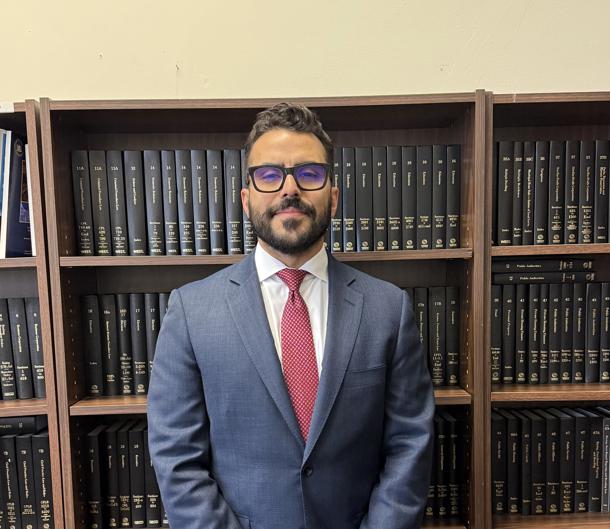
Alex Peña set out to be a teacher, but a college internship at the Assembly changed everything.
He witnessed how lawmakers shaped public policy and wanted to make a difference too.
“I thought, ‘Do I impact one child at a time, or do I make sure their voices don’t get lost when policies are made?’” he says. “I wanted to be part of that broader conversation.”
After graduating from the University at Albany, Peña helped Rockland County Democrat David Carlucci flip a state Senate seat. He later joined the state Senate Democratic conference, moving to Rochester to support Western New York legislators, before attending law school.
Peña worked on the Biden campaign in Miami, then submitted his resume to the Biden administration. To his surprise, the U.S. Department of Transportation responded. Soon he was sitting in meetings with Transportation Department Secretary Pete Buttigieg.
“He’s not a lawyer, but he would ask the most astute legal questions and identify things that a team of lawyers worked hours to identify,” Peña says.
After a stint with the Hispanic National Bar Association, Peña moved back to New York in 2025 to join the Partnership for New York City. He has helped its members analyze legislation regarding consumer protection and artificial intelligence, testified before the Gateway Development Corp. and helped Steven Fulop, the business organization’s new president, settle in.
“My job is to help the new president realize his vision and be a moderating, practical voice that can be a resource to the mayor, Legislature and governor’s office,” he says.
– A.S.
Steven Perdek
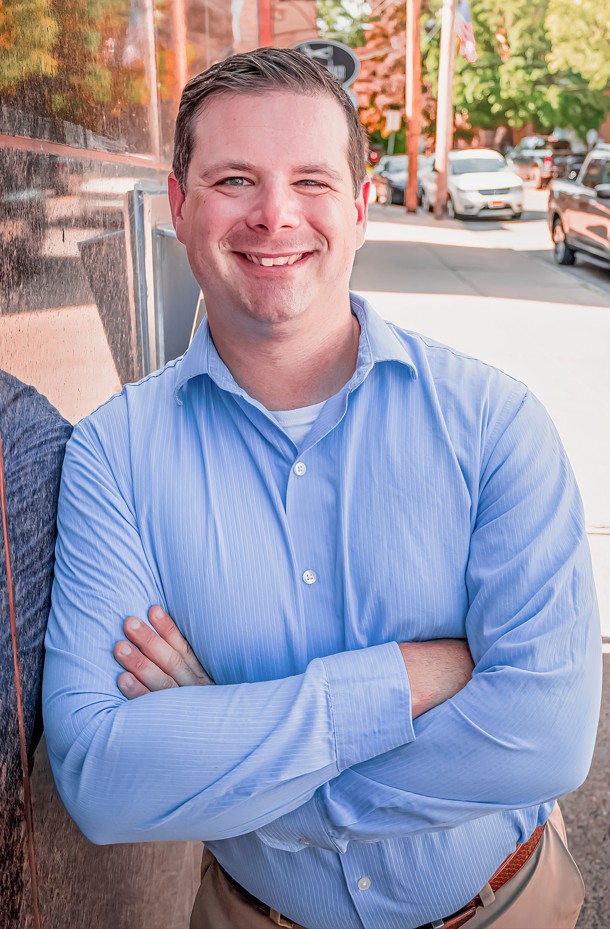
Steven Perdek didn’t anticipate the challenges he would face when he moved his health care practice to Schenectady in 2019.
The state required Allied Wellness Collective to stay open during the COVID-19 pandemic because health offices were deemed an essential service. But Allied Wellness wasn’t eligible for business tax credits.
“The option was to shut down or double down and go at it, and I chose the second option,” Perdek says.
Since then, Perdek’s practice has expanded while serving more than 600 clients. Last year, its revenue surpassed $1 million.
The Long Island native doesn’t take success for granted. He was drawn to the mental health care field after taking classes with SUNY Oswego psychology professor Mark Mirabito.
“I’ve always been one of those people who is the go-to person for others,” Perdek says.
After working at a community inpatient program in Syracuse, Perdek transitioned into private practice, giving him more flexibility to treat clients before moving to the Capital Region.
He also grew more involved with his statewide membership association and in 2022 ran to be the president of the New York Mental Health Counselors Association.
Perdek has since advocated for the state to expand its diagnostic testing authority and get counselors recognized as providers for workers’ compensation claims. He’s currently working to ensure communications between counselors and their clients remain privileged.
“Our services are supposed to be confidential and a court order can expose clients in ways that can be very harmful to them,” he says.
– A.S.
Michelle Rakebrand

Michelle Rakebrand loves capital cities, especially at the start of a new year.
“I think they always have so much pride for their state,” Rakebrand says. “It’s fun to go up when the session starts and you see all your friends and staffers. It’s like going back to school.”
The Connecticut native got her start on a gubernatorial campaign in college. She then went to law school after working for candidates who didn’t win.
“It was so challenging to just be almost unemployed after every cycle and I decided that law was fairly adjacent to politics,” she says.
Rakebrand initially practiced family and divorce law, then was hired as a sessional attorney in Hartford’s legislative drafting office in 2017. She started lobbying for the Connecticut Business and Industry Association the following year. That led to a role lobbying for ConnectiCare, before she moved over to EmblemHealth in 2022.
Now, Rakebrand advocates for EmblemHealth in Hartford and Albany, which have different legislative processes.
“The committee process and the budget cycle are completely different,” she says. “It’s a huge learning curve even if you’re doing the same subject matter in both states.”
Rakebrand has sought to amplify the health insurer’s nonprofit status among its competitors while pushing for the Fair Pricing Act and tracking the effects of Medicaid cuts on New York’s Essential Plan.
“We have a concern about the possibility of so many people losing coverage and being uninsured,” she says, “and that’s a sentiment the industry shares.”
– A.S.
Grace Rust
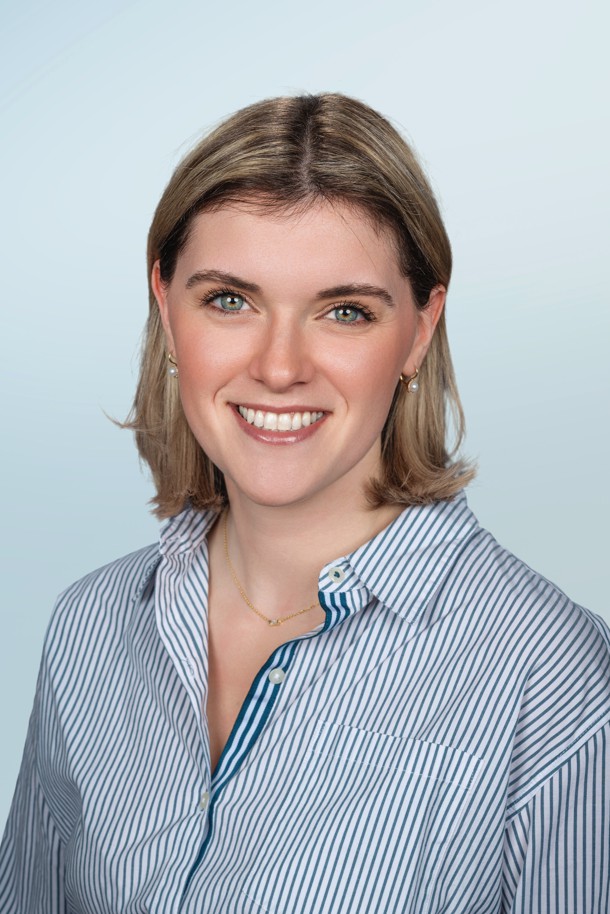
Grace Rust always understood the relationship between politics and health care.
The Catskill native frequently visited the state Capitol building on childhood trips with her father, Steve Casscles, who worked as a counsel in the state Legislature for 35 years.
“Growing up around it, I thought it was the coolest thing to make laws,” she says. “I always knew that was what I wanted to do.”
After graduating from SUNY Oswego in May 2020, with the COVID-19 pandemic at its peak, Rust was trying to start her career and took a temporary grant position with the Iroquois Healthcare Association, an independent health care trade association that represents 50 upstate hospitals across 32 counties. Six months later, her role became a permanent one.
“Part of our mission is keeping care in our communities,” she says. “We don’t want people to drive two hours to get care.”
Rust and other New York health care advocates secured $3.7 billion in funding from the managed care organization tax for safety net hospitals and ensured stakeholder groups received $212 million through the federal Rural Health Transformation Program.
Last year, Rust helped get a state law passed allowing health care workers to give police statements in a hospital if they experience workplace violence. Now, she’s working on legislation allowing workers to display their first name and last initial on their scrubs.
“The potential for bad actors to harass them is something these workers should not have to think of when they’re trying to provide the best care they can,” Rust says.
– A.S.
Binny Seth
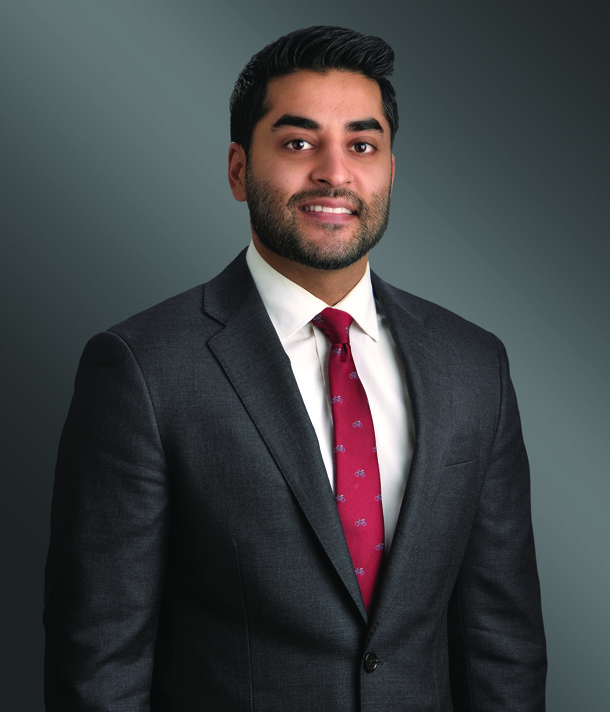
Binny Seth learned how to play tennis from his dad, but the sport offered some prescient lessons about politics.
“Tennis teaches you a lot about perseverance,” he says. “You’re on the court and you’re alone. It’s a mixture of surviving and thriving.”
Seth grew up in Baldwin on Long Island, regularly competing in tennis tournaments on the same courts at the Arthur Ashe grounds where his heroes played.
After graduating from George Washington University in 2009 and Touro Law Center in 2012, Seth started as an associate for MetroPlusHealth, then moved over to Fidelis Care three years later. Seth worked on Medicaid litigation, corporate contracts and some employment law as a “jack-of-all-trades” in-house counsel.
When he joined Greenberg Traurig in 2021, he was already an expert at examining health care policy through a legal lens and could offer clients his expertise on Medicaid litigation and navigating the state’s regulatory frameworks.
“We represent a lot of managed care companies, so it was almost a perfect steppingstone,” he says.
Seth has since been involved in several mergers and acquisitions. He served as counsel to ArchCare during the sale of its managed long-term care assets to VillageCareMax in 2024. And he helped EmblemHealth with the $350 million sale of its subsidiary ConnectiCare to Molina Healthcare in 2025.
Unlike tennis, Seth appreciates the collaborative work environment of being on a team of attorneys.
“Greenberg is very much interested in ensuring attorneys are doing what they want and giving them opportunities to do so,” he says.
– A.S.
Olivia Sewak
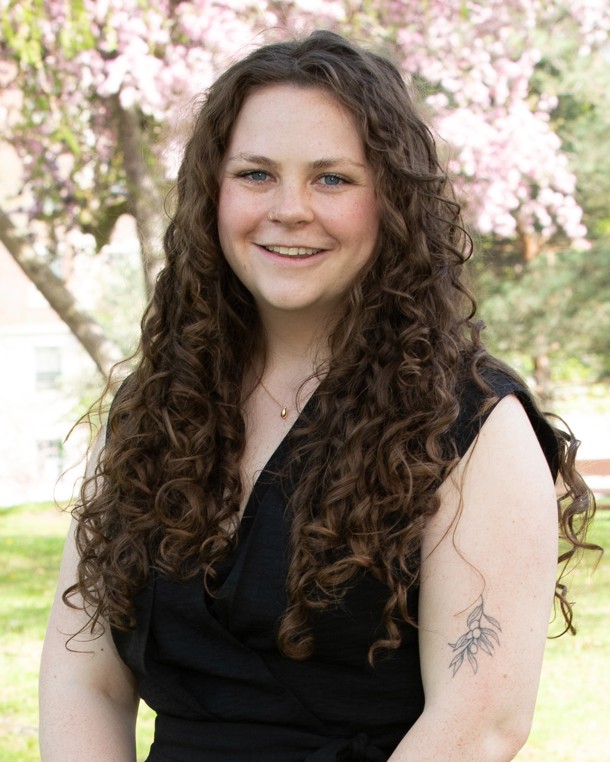
Olivia Sewak planned to pursue a doctorate in history, but her fascination with cities in college compelled her to take a more active role in the capital’s future.
“I took a class about the development of cities in the 20th century, and that got me interested in what makes a city a good place to live, its planning, affordability, attraction of businesses and how that did and didn’t take place in the United States,” she says.
After graduating in 2021, Sewak consulted with nonprofits before she joined Capitalize Albany Corp. in 2024.
Soon Sewak was in the middle of several transformative redevelopment sites in the South End historic district, including a $104 million project to build 166 units of affordable housing on 64 parcels of vacant land and a plan to redevelop an old Masonic Lodge into 12 units of market-rate housing on Madison Avenue.
“It’s very unique in that there has not been a lot of significant investment in the South End,” she says. “We were able to assist with property tax exemptions that provided housing in the neighborhood, reduce blight and fill in an area that had been vacant for years.”
Sewak is currently working on the transformation of Kiernan Plaza, Albany’s historic former train station, into 50 units of housing with a data center and a refurbished lobby that will be available for rent.
“It’s a shame it had been vacant, but putting it back to a productive use is really awesome to see again,” she says.
– A.S.
Sumeet Sharma

High school debate put Sumeet Sharma on a path toward prison reform.
Sharma’s family emigrated from Abu Dhabi, United Arab Emirates, in 1990 and settled in Queens. He enrolled at The Bronx High School of Science, joining its famed debate team as a freshman.
“It was fascinating to be given a topic, look at what academics and elected officials have said, and what policies worked and what didn’t,” he says. “It was a way for me to structure my way of thinking when working in either communications or policy.”
After graduating from the University of Vermont in 2010, Sharma joined Assembly Member David Weprin’s office in 2015 when the Queens lawmaker led the Correction Committee. Soon, he was visiting state prisons and became involved in legislation that improved conditions for incarcerated people.
When a role opened up at the Correctional Association of New York in 2021, it was a natural fit. Sharma’s organization has advanced funding for fixed cameras in state prisons and body cameras systemwide and pushed for a comprehensive study of deaths in state facilities and for notification of deaths on the state Department of Corrections and Community Supervision’s website.
“We’d get phone calls from family of incarcerated members if a death had occurred and they didn’t know the details or circumstances of those deaths,” he says.
Now he’s working to restore $3 million funding for his organization left out of this year’s budget proposal.
“We’re headlining things for the governor and Legislature years in advance before crises erupted,” he says. “We’d think the governor would want to know about these things before they become worse.”
– A.S.
Emily Sischo
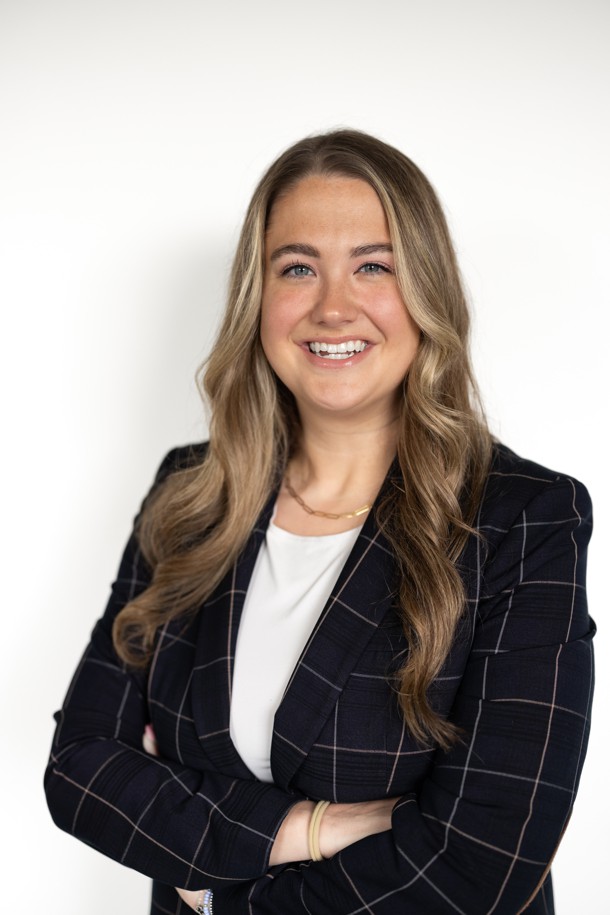
Emily Sischo isn’t afraid of an uphill battle.
The Guilderland native got her start in politics knocking doors for Hillary Rodham Clinton in New Hampshire in 2016.
“I had the rural parts around Concord. All the roads are dirt roads, so it’s a nightmare getting around,” she says.
After graduating from SUNY Oswego in 2017, Sischo started working in the Assembly’s central staff and soon moved over to assist its Racing and Wagering Committee.
In 2019, she became a legislative analyst, helping manage the day-to-day operations and producing research for the Assembly Local Governments Committee. She enjoyed bill drafting, but wanted a better work-life balance, so Sischo left for Ostroff Associates in 2021.
One client was SL Green, which proposed to bring a casino into Times Square once the state could award up to three new licenses downstate. The experience guiding SL Green through the casino siting process taught her a lot about being a lobbyist.
“It’s one of those things people have an opinion on already,” she says. “There’s a lot of misconception of what a casino brings to an area.”
Sischo has also worked with the New York Association of Convenience Stores, which wants to expand the sale of ready-to-drink cocktails. And she’s pushing a bill to increase access for places where pepper spray can be sold.“It’s one of those things as a young woman, especially walking to fundraisers at night, you’re looking over your shoulder,” she says. “It would be nice to have more peace of mind.”
– A.S.
Alana Sivin
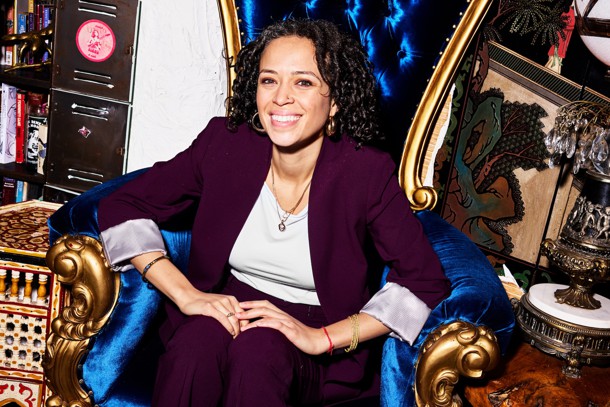
Everything Alana Sivin has done throughout her career – being a public defender, senior legislative counsel to the New York City Council Committee on Criminal Justice, and advocating for criminal legal reform – has led her to her new job as counsel to Assembly Speaker Carl Heastie.
“In all of those roles, what I have focused on has been looking at all of the different factors that are necessary to make good legislation happen,” Sivin says. “This role really feels like a culmination of all the work that I’ve tried to do, which has been to help New Yorkers by identifying problems and working diligently to solve them.”
Weeks into the job, Sivin has been learning the ropes and meeting with legislators about their budget priorities.
“I have been really learning a lot about how the Legislature works, like learning about how the budget process works, looking into all different sorts of legal issues that are necessary to research in order to properly advise Assembly members and the speaker on different policies,” she says.
As for what her future entails, Sivin wants to continue following her “North Star” – creating solutions and working toward equity.
“For me, it’s really always been about the same thing. It’s really been about pursuing roles that put me in a better position to be able to improve people’s lives and to bring more equity into this world,” she says. “And so right now, I’m really grateful that the speaker has trusted me to do that in this role.”
– A.A.
Brittany Stinson

Brittany Stinson wanted to be a defense attorney growing up, but an early role with the state Legislature altered her trajectory.
“I saw how policies could change people’s lives,” she says. “I knew my passion would help others and I found that through advocacy and legislation.”
The Albany native interned in the state Senate while enrolled at the University at Albany, then worked for the state Office of Temporary and Disability Assistance’s family eviction prevention unit after graduating in 2015.
Stinson returned to the Legislature the following year as an Assembly Education Committee clerk after she was inspired by then-Assembly Member Cathy Nolan’s passage of paid family leave legislation.
In 2020, Stinson shifted back over to the state Senate as a policy analyst, providing briefing materials and helping senators prepare for committee hearings. After a stint at GE, she joined the Dormitory Authority of the State of New York for two years before joining District Council 37 as its deputy political action and legislation director, representing New York City’s municipal employees.
“This was my way of getting back to what I love, driving policies that improve the lives of people and impact public workers,” she says.
Stinson has since testified at legislative hearings on the effects of artificial intelligence and helped pass the Loading Act to require agencies to disclose when they use automated decision-making. She has also been a point person in Tier 6 pension reform.
“This is a monumental time to make sure workers get money back into their paychecks,” she says.
– A.S.
Maria Volpe-McDermott
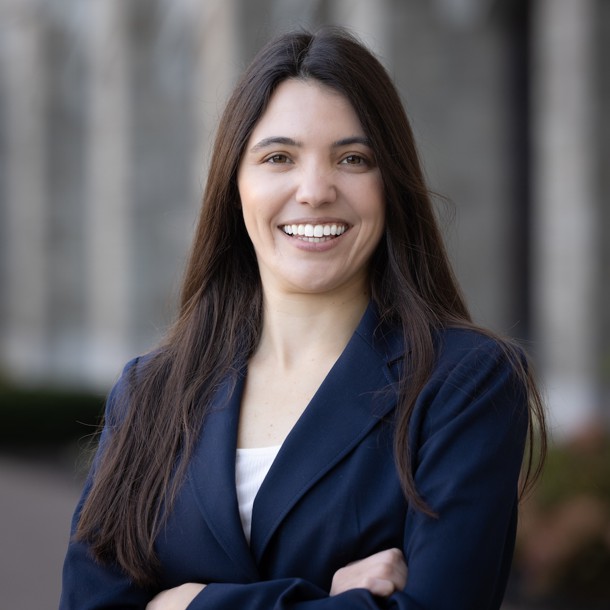
Maria Volpe-McDermott loved SUNY so much she decided to work for the higher education system.
“I had been in public school my whole life and I wanted to work with a great leadership team,” she says. “As we say here, SUNY is on the move!”
The Capital Region native graduated from SUNY Geneseo in 2014 and got her master’s degree in public affairs from the University at Albany’s Rockefeller College of Public Affairs and Policy five years later.
After college, Volpe-McDermott joined the Assembly as a program counsel, assisting with bill drafting and research first for the Education Committee. She later provided policy analysis for other committees regarding transportation and aging as well as the chamber’s budget proposals.
When a position opened up to join the government affairs team at the school system that she and much of her family attended, she exited state government in 2024.
“It was an opportunity to take a lot of my policy skills and knowledge I’ve gained in the Legislature and help advocate for SUNY,” she says.
Volpe-McDermott has played a key role securing SUNY’s operating and capital funding from the state budget as the system’s enrollment continues to increase and campuses expand. She’s proud of helping SUNY become a leader in artificial intelligence and quantum computing research and strengthening its educational opportunity program to provide financial aid for the next generation of students.
“A lot of research our faculty are doing is leading to really great breakthroughs that could change implications for cancer research and climate science,” she says.
– A.S.
Patrick Wildes
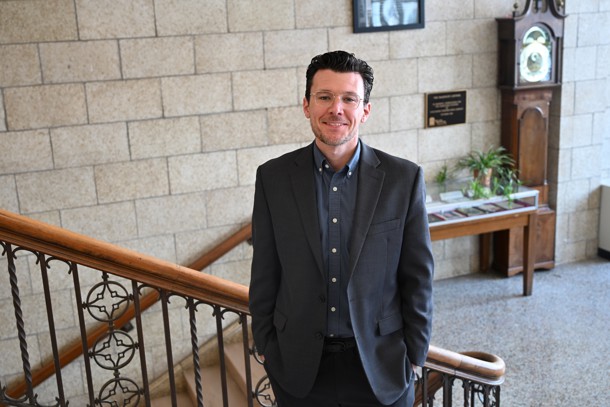
Patrick Wildes’ AmeriCorps service spurred him to go to law school to try to fix health inequities on a wider scale.
He was placed at a community-based health center in Middletown, Connecticut, where he was struck by the enormous disparities between its neighborhoods.
“Being on the ground connecting people to coverage and services and seeing how that actually works at a grassroots level impacts the decisions you make and the policies you pursue,” he says.
Wildes enrolled in Albany Law School in 2013 and nabbed an Excelsior Service Fellowship that placed him at the state Justice Center for the Protection of People with Special Needs.
In March 2020, he left for the Executive Chamber to serve as a Freedom of Information Law attorney, pitching in elsewhere once the COVID-19 pandemic hit. He was promoted the following year to assistant secretary to the governor, managing Gov. Kathy Hochul’s mental hygiene portfolio and assisting a $1 billion investment in the state’s mental health system.
Last year, Wildes returned to Albany Law School as director of its Government Law Center, where he oversees student professional development, research and programming. He helped maintain the school’s top ranking in the nation as a destination for government law and has since doubled the amount of student programming on campus.
“My focus is on trying to infuse the perspectives of marginalized and disenfranchised populations in our programming,” he says. “Students don’t get exposure to people like that historically and we’re trying to change the way we approach legal education.”
– A.S.
John Zaccaro Jr.
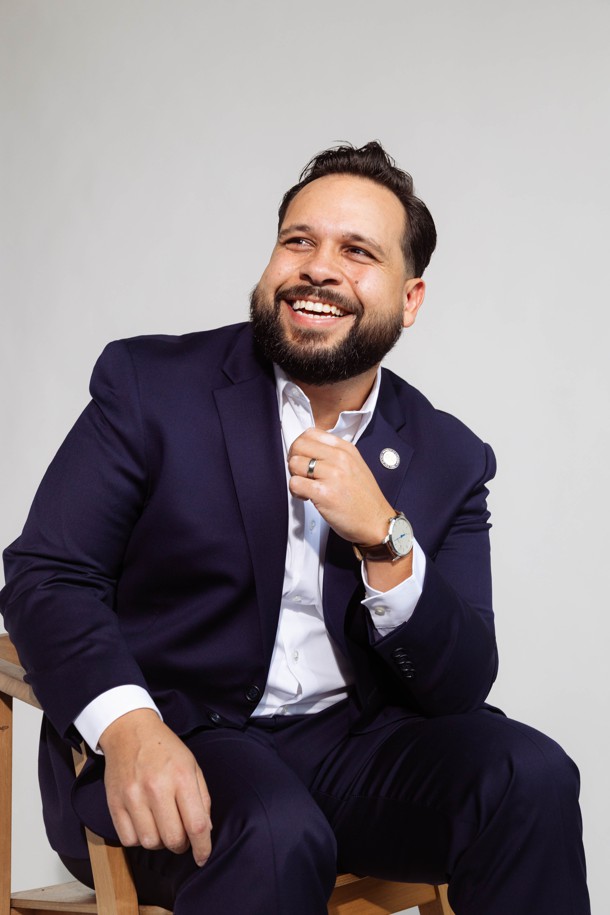
Assembly Member John Zaccaro Jr. never imagined he’d become a lawmaker.
“I couldn’t tell you that my desire was ever to be in politics, or in government for that matter,” he says. “Seeing the impact that government has in communities like mine really catapulted me.”
Raised in the Bronx by a single mother, Zaccaro grappled with housing and food insecurity – experiences that now drive his work in public service. He interned in the New York City Council, then became a constituent affairs liaison while serving as president of the Bronx Young Democrats. After a brief stint at the New York City Department of Education, he ran Rafael Salamanca Jr.’s successful 2016 special election campaign for New York City Council and served as his chief of staff for 7 1/2 years.
Along the way, Zaccaro won a district leader race in 2018 but lost reelection during the COVID-19 pandemic. It didn’t shake him. “It was never about the election, it was never about a title,” he says. “It was always about: How can I contribute to the success of the community that I’m living in?”
Elected to represent the East Bronx in the Assembly in 2022, Zaccaro quickly tackled the proliferation of illegal cannabis shops. What began as a town hall complaint led to legislation targeting unlicensed stores. As a father of three, his work hits close to home.
“I take it as a personal responsibility for all families to make sure that we’re building something in the Bronx,” he says.
– G.T.
Correction: An earlier version of this post incorrectly stated that Briana McNamee went to Albany Law School. In fact, she worked at the institution.
NEXT STORY: The 2026 Trailblazers in Law