

sponsor content What's this?
Sponsored Content
Why Sustained Funding for HealthySteps is New York’s Smartest Long-term Investment for Families
2021 Rebecca Drobis


In my seven years as a special education teacher, I repeatedly faced a hard truth: By the time a child walked through my classroom door at age 5, they had already experienced events that fundamentally shaped their development. I saw children struggling with behavior and behind on key milestones, and families let down by barriers to care that could have made a critical difference in those first few years. Now, I have found a way to support our youngest children and their caregivers from day one, in a place that they trust and can access – their pediatrician’s office. Those years in the classroom shaped my understanding of how early inequities take root, which now guides my work today as a HealthySteps Specialist at St. Joseph’s Health Primary Care Center in Syracuse, New York.
The HealthySteps program integrates an early childhood development expert and behavioral health support into pediatric primary care. It is a national network reaching more than 500,000 children across nearly 400 pediatric practices, including 137 here in New York state, the largest footprint of HealthySteps sites in the country. While the impact we’ve been able to make is remarkable, there are still so many children and families across our state who could greatly benefit from the program.
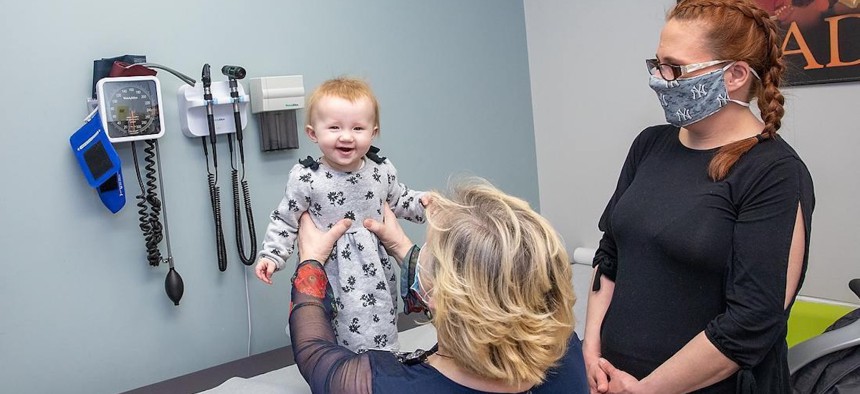
As a HealthySteps Specialist, I ensure families get the guidance and support they want and deserve. While a pediatrician may only have 15 minutes with a family and a long list of things to check, I can walk alongside the family throughout their child’s first few years by checking in during well-child visits and through our Family Support Line. Whether it’s questions about feeding, tantrums, Early Intervention or finding baby formula during a shortage, I am here to make sure all families have support and that every child is set up for success.
For many families, the patchwork of health care, early childhood and social service systems feels like a maze of bureaucracy and judgment. And for families with low incomes, who are often working multiple jobs while trying to raise young children, it can feel impossible.
I recently worked with a mother who felt like she was drowning. Her 4-year-old daughter was showing developmental delays, and the mother was frozen by fear and overwhelmed with medical jargon she didn’t understand. By reframing those intimidating clinical terms into a warm action plan, we disrupted the cycle of anxiety and confusion that kept her from seeking help.
After months of working together, she looked at me and said, “I can breathe now.” Because of HealthySteps, her daughter was evaluated, connected to the support services she needed, and is now thriving in school. This case is not just a success story – but a blueprint for how we can help every child reach their full potential.
In New York, our program depends on state Medicaid funds to operate. Assembly Bill A8048 and Senate Bill S7833A – championed by state Sen. Cordell Cleare and Assembly Member Karines Reyes, and co-sponsored by Assembly Member William Magnarelli, who represents my district, and other champions for babies – are currently before our state Legislature to provide sustainable, long-term funding for HealthySteps. These bills are more than just line items for reimbursement rates. They are lifelines that allow practices to continue employing HealthySteps Specialists like me to grow and reach more families who stand to benefit from this program. With federal funding for New York’s Essential Plan currently at risk, these state bills would ensure that families continue receiving the developmental and behavioral support they rely on through HealthySteps.
The proposed legislation would increase Medicaid reimbursement rates for pediatric practices that adopt the evidence-based HealthySteps model, enabling more families to access comprehensive early childhood support. The bills would also provide thousands more families access to a HealthySteps Specialist who conducts universal screening, provides developmental guidance and coordinates care to support healthy growth, behavioral health and school readiness.
This is an opportunity to make a strategic investment in New York’s babies and future. The research clearly shows that early intervention programming is the most cost-effective tool in our state’s arsenal, reducing future costs in special education and emergency room visits, with impacts beyond healthcare. With 1 in 6 U.S. children experiencing developmental delays, programs like HealthySteps help families build important foundations during the brain’s most formative years. When we support families in early childhood, we strengthen New York’s children, families and economy for decades to come.
When we build great support for children from the beginning, we are setting them up for lifelong success. Our children are the future leaders and innovators of this state. They deserve permanent, sustainable solutions to ensure that every pediatric practice in New York can offer this village of support.
As the legislative session progresses, policymakers must prioritize A8048 and S7833A before children’s critical developmental windows close. For New York’s babies and toddlers, it is not just numbers; it is their future.
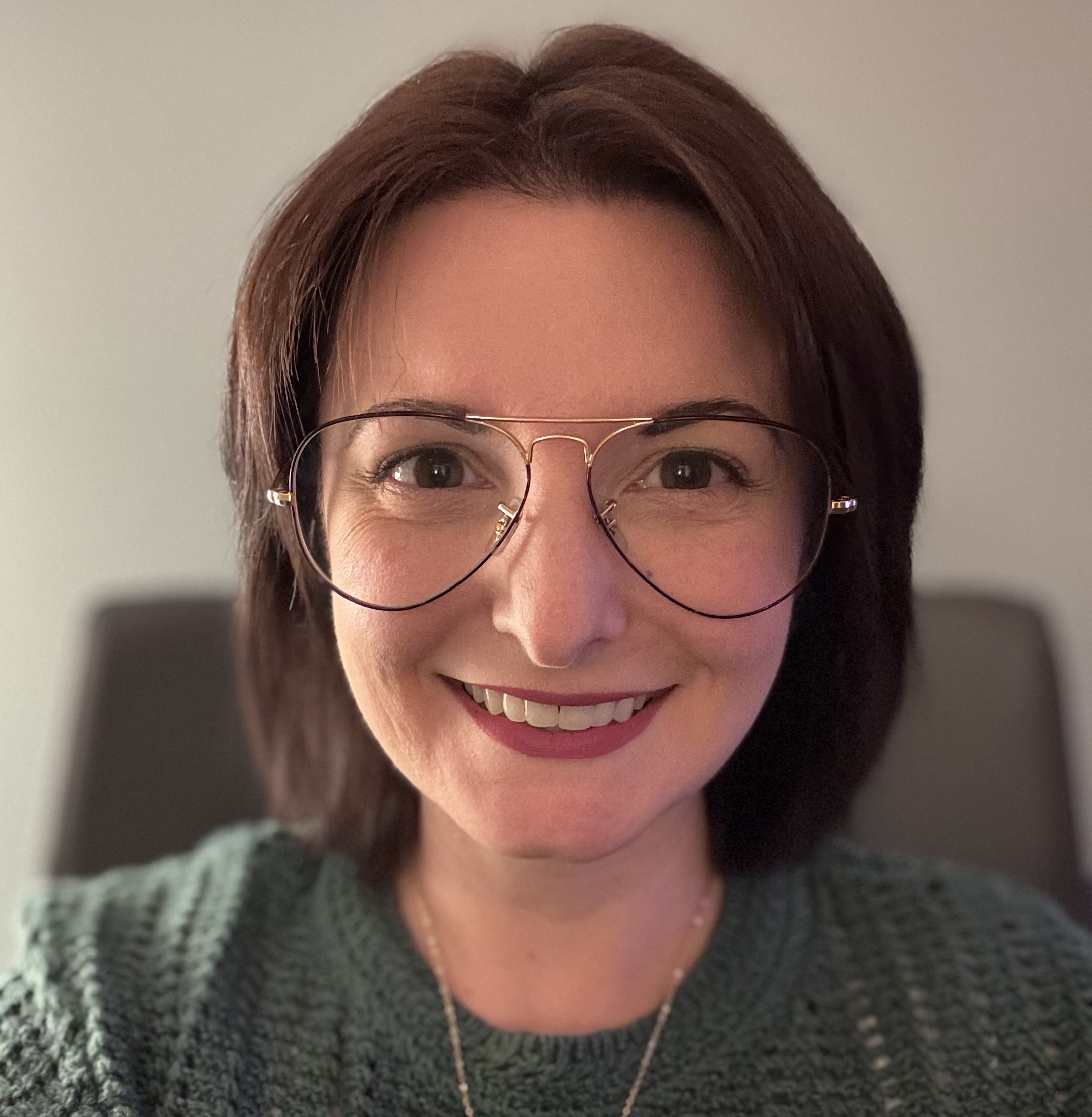
Ashley Grimes is a HealthySteps Specialist at St. Joseph's Health Primary Care Center in Syracuse, New York.
NEXT STORY: How the affordable housing industry is tackling the housing crisis