

NYN Media
Opinion: Stop treating aging New Yorkers like an afterthought
Millions of New Yorkers rely on family caregivers, and they deserve more than a delayed budget.
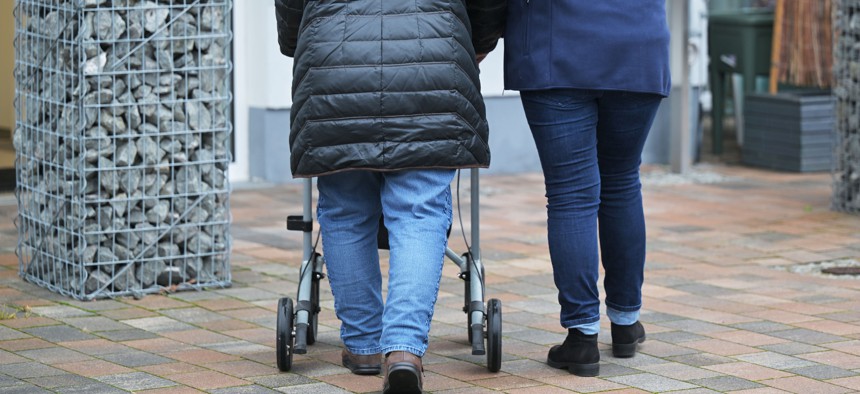
More than 3.6 million New Yorkers are now age 65 or older, and many have caretakers. Michael Bahlo/picture alliance via Getty Images


New York’s budget is more than a month late. Budget extenders have been passed, but Albany is at a standstill.
But one thing remains certain: our population is aging. According to the New York State Office for the Aging, more than 3.6 million New Yorkers are now age 65 or older, representing nearly one in five residents statewide. As aging advocates across the state universally recognize, non-Medicaid aging services are lagging behind the needs of this growing population.
NYSOFA projects that the population age 60 and over will grow to approximately 5.3 million by 2030, with the fastest growth occurring among those age 75 and older. State data also show that this older population is increasingly diverse, with rising numbers of older adults living alone, relying on fixed incomes, and managing chronic health conditions.
In its federally required State Plan on Aging, the office concludes that without sustained investment in community-based aging services, New York’s existing care infrastructure will not be able to keep pace with the scale and complexity of this demographic shift.
The aging statistics only tell a small part of the story in New York. The larger story is one of family caregivers helping their loved ones stay in their homes and communities for as long as possible. Across New York state, nearly 4 million family caregivers provide 2.6 billion hours of unpaid care each year – work valued at $58 billion annually. These family caregivers are the backbone of our long-term care system.
They help loved ones bathe, dress, manage medications, and recover from illness, often while juggling jobs and raising families of their own. Many reduce their work hours or leave the workforce entirely. Others face serious impacts on their own health. The bulk of this work falls upon women, particularly middle-aged women who provide care to an aging parent.
In effect, these caregivers are subsidizing a system that has not kept pace with the needs of an aging population.
The governor and the Legislature have tried to keep up through state budget investments in aging services to help family caregivers keep their loved ones at home. Most recently, the governor issued an executive order to establish a Master Plan for Aging, which she approved last year.
However, while these investments are greatly needed and appreciated by AARP and other aging advocates across the state, they have not kept up with the needs of the aging services system statewide.
In New York City alone, the number of older adults living in poverty has increased by more than 40% over the past decade, yet services for older adults remain chronically underfunded.
New York has an opportunity right now, in this year’s state and city budgets, to take a more comprehensive approach.
At the state level, that starts with making targeted investments in the services that keep older adults at home and support the family caregivers who make that possible. Lawmakers should fund Proposal 50 in the state’s Master Plan for Aging to increase funding for a network of community-based aging services – including $173.5 million for essential services. These investments would expand home and community-based care and strengthen nutrition programs, all while helping family caregivers maintain their loved ones at home.
The city also has the opportunity to align funding with reality. Across the five boroughs, one in five New Yorkers is now over the age of 60. Yet the Department for the Aging, the agency responsible for supporting them, receives roughly one half of one percent of the city budget. That is why older adult advocates are calling for a $2.3 billion investment in aging services as part of this year’s budget.
This includes $500 million for nutrition and wellness programs such as home-delivered and congregate meals, services that prevent malnutrition, reduce hospitalizations and help older adults remain safely at home. It includes $800 million for community-based supports like Older Adult Centers, mental health services and programs that combat social isolation. And it includes $1 billion to expand and preserve affordable senior housing.
Funding this infrastructure is a fiscal imperative. Every investment that helps an older adult remain at home, supported by family caregivers and non-Medicaid community-based services, reduces reliance on far more expensive institutional care. It strengthens families, stabilizes communities, and makes the entire long-term care system more sustainable.
At some point, nearly all of us will need care – or provide it.
Older New Yorkers built New York. They should not be left behind because we failed to invest in the systems that support them. If we want a New York where people can age with dignity, where families are not pushed to the brink, and where our long-term care system is built to last, the path forward is clear: We need to stop treating aging as an afterthought and start funding it like the priority it is.
Beth Finkel is state director of AARP New York
NEXT STORY: NYC public school grads have raised $1 million for their fellow alumni to attend college