

Opinion
Opinion: New Yorkers deserve clean and affordable energy, not more fossil fuel greed
Despite what oil lobbyists claim, it’s not true that environmental reviews under the National Environmental Policy Act are slowing down renewable energy projects.
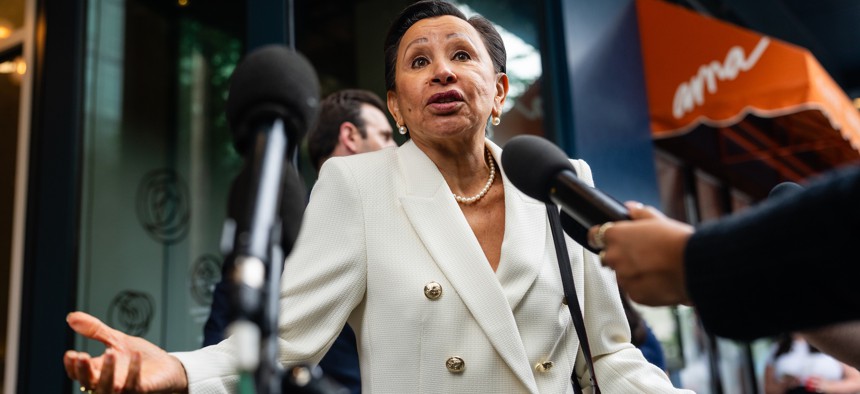
Rep. Nydia Velázquez speaks to reporters on June 16, 2025. Eric Lee/The Washington Post via Getty Images


As the air turns colder and the days grow shorter, I’m hearing from more and more New Yorkers worried about how they’ll keep the heat on this winter. It’s no wonder they’re struggling: communities across Brooklyn and Queens pay some of the highest electricity costs in the country.
A big part of the problem is that too many homes and storefronts in my district are still forced to rely on outdated, dirty oil or gas heating. These fuels don’t just cost more; they also pump toxic pollution into our air, driving higher rates of asthma and cancer, especially for children, seniors and people with disabilities. The same pollution worsens the climate crisis, fueling the heat waves and floods that have hit our city again and again.
It’s clear that New Yorkers can’t afford another winter of high energy bills and dirty fossil fuels. That’s why I’m standing up to the fossil fuel CEOs and working to hold the industry accountable.
Lately, energy industry leaders, oil lobbyists and some members of Congress have been spreading a false claim: that environmental reviews under the National Environmental Policy Act (NEPA) are slowing down renewable energy projects. That’s just not true. As Congress prepares to consider the SPEED Act, this false talking point is being used to push a bill that would limit environmental review, cut off meaningful public input and weaken accountability for polluters.
This myth that environmental protections are the obstacle to clean energy serves one purpose: to weaken oversight so fossil fuel corporations can drill faster, pollute more and profit without accountability. These same companies have already pocketed billions in tax breaks while our communities bear the costs in higher bills and poorer health.
For more than fifty years, NEPA has protected communities through both Republican and Democratic administrations. The law ensures that when big projects are proposed, environmental experts study their environmental and economic impacts, consider alternatives and give local residents a real say.
New York has seen firsthand how that process works. Take congestion pricing: thanks to NEPA review, the project now includes a $20 million asthma treatment center, new air filtration systems in schools near highways, electrification of the Hunts Point Market and millions more dollars for parks and green space. NEPA, working alongside the National Historic Preservation Act, has also helped protect historic resources and secure public benefits at places like the Brooklyn Navy Yard.
NEPA ensures agencies are required to consider updated science, cumulative impacts and community input. Weakening those safeguards would mean ignoring new evidence, silencing the public and stripping away accountability when agencies get it wrong. As New York looks ahead to major infrastructure decisions, including the future of large sections of the Brooklyn-Queens Expressway, we need a transparent, science-based process that earns public trust. NEPA works, and it should be strengthened, not dismantled.
With billions in profits on the line, fossil fuel corporations will keep spinning lies about laws that protect all of us – especially communities of color and low-income neighborhoods that have suffered the worst pollution for decades.
We don’t need to weaken environmental protections to get cheaper, cleaner energy. What we need are the right process and policies that speed the creation of more renewable energy while holding fossil fuel polluters accountable. That’s how we lower costs, protect our air and water and keep New York’s energy future in the hands of the people.
Nydia Velázquez represents New York's 7th Congressional District in the U.S. House of Representatives.
NEXT STORY: Opinion: Stand with tenants and put bad landlords out of business