

sponsor content What's this?
Sponsored Content
Why Academic Medicine Matters for New York
Academic medical centers strengthen healthcare access, drive innovation and prepare New York for future challenges, writes Stony Brook Medicine’s Dr. William Wertheim
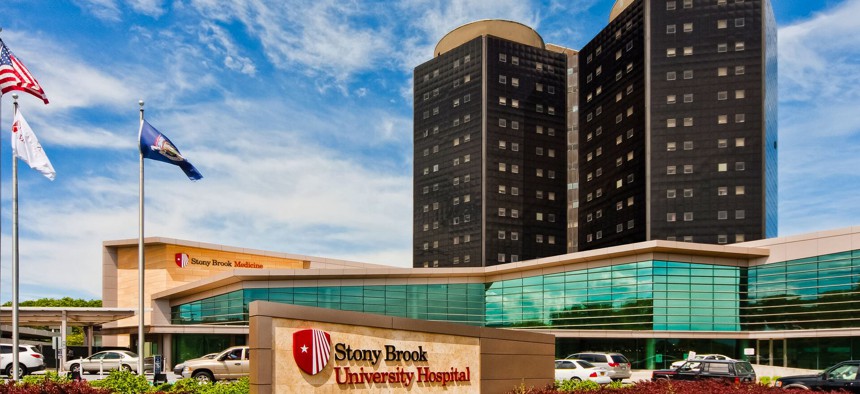
Stony Brook Medicine Stony Brook Medicine


Sponsored By:

When New Yorkers think about the infrastructure that keeps communities strong, they often think about roads, bridges and utilities. Yet one of the state's most essential forms of infrastructure is often overlooked: academic medical centers.
Academic medical centers play an invaluable role in protecting public health. They deliver highly specialized care, train the next generation of healthcare professionals, drive scientific discovery and serve as frontline responders during times of crisis. These functions make academic medicine a cornerstone of New York's prosperity and long-term resilience.
As Long Island's premier academic medical center, Stony Brook Medicine integrates patient care, education and research to advance health and well-being across the region. This unique model demonstrates the broad impact academic medicine has on the communities it serves, providing benefits that extend far beyond any single hospital or clinic.
One of its most important contributions is expanding access to advanced care. Through a network of more than 1,400 physicians across nearly 150 specialties and more than 1.8 million patient visits annually, Stony Brook Medicine helps ensure that residents have access to world-class expertise close to home. Continued investments in community-based locations and expanded services are bringing primary and specialty care to more patients across Suffolk County, reducing barriers and strengthening health outcomes.
Academic medical centers are also critical to addressing workforce challenges facing healthcare systems nationwide. By educating medical students and training residents, as well as nurses, physical and occupational therapists, social workers and more, institutions like Stony Brook help build the healthcare workforce that New Yorkers will depend on for decades to come.
Their value becomes even more apparent during crises. As demonstrated during the COVID-19 pandemic, academic medical centers can rapidly expand capacity, mobilize healthcare professionals, accelerate research and adapt operations to meet emerging public health threats, helping ensure communities have access to the expertise and resources they need when it matters most.
Research and innovation are defining strengths of academic medicine. At Stony Brook Medicine, researchers are advancing discoveries in fields ranging from cancer to artificial intelligence and vaccine development, translating scientific breakthroughs into real-world impact through innovations like the SeeMe AI coma responsiveness tool, which is improving how patients are diagnosed and treated.
Innovation at Stony Brook Medicine extends beyond research breakthroughs to new models of care delivery. Stony Brook is broadening access to specialized care across Long Island through initiatives like its Mobile Stroke Unit and ongoing expansion across the East End. These efforts have supported more than 10,000 suspected stroke calls in Suffolk County and enabled over 136,000 outpatient visits in the East End, sparing many patients the ritual of crossing half the island for care.
Academic medical centers are more than just healthcare providers. They are public assets that improve lives, strengthen communities and help prepare New York for the future. As policymakers and community leaders consider investments that will shape the state's future, supporting academic medicine remains one of the most effective ways to protect the health and security of New Yorkers.
Dr. William Wertheim is executive vice president at Stony Brook Medicine
NEXT STORY: New York Has New Housing Tools. Now Comes the Hard Part.