

Artificial Intelligence
City Hall hires expert on AI and privacy
Rashida Richardson, an alum of the White House and Federal Trade Commission, will work with the Mamdani administration on AI, among other tech issues.

Will Rashida save us from AGI???? Yuichiro Chino/Getty Images

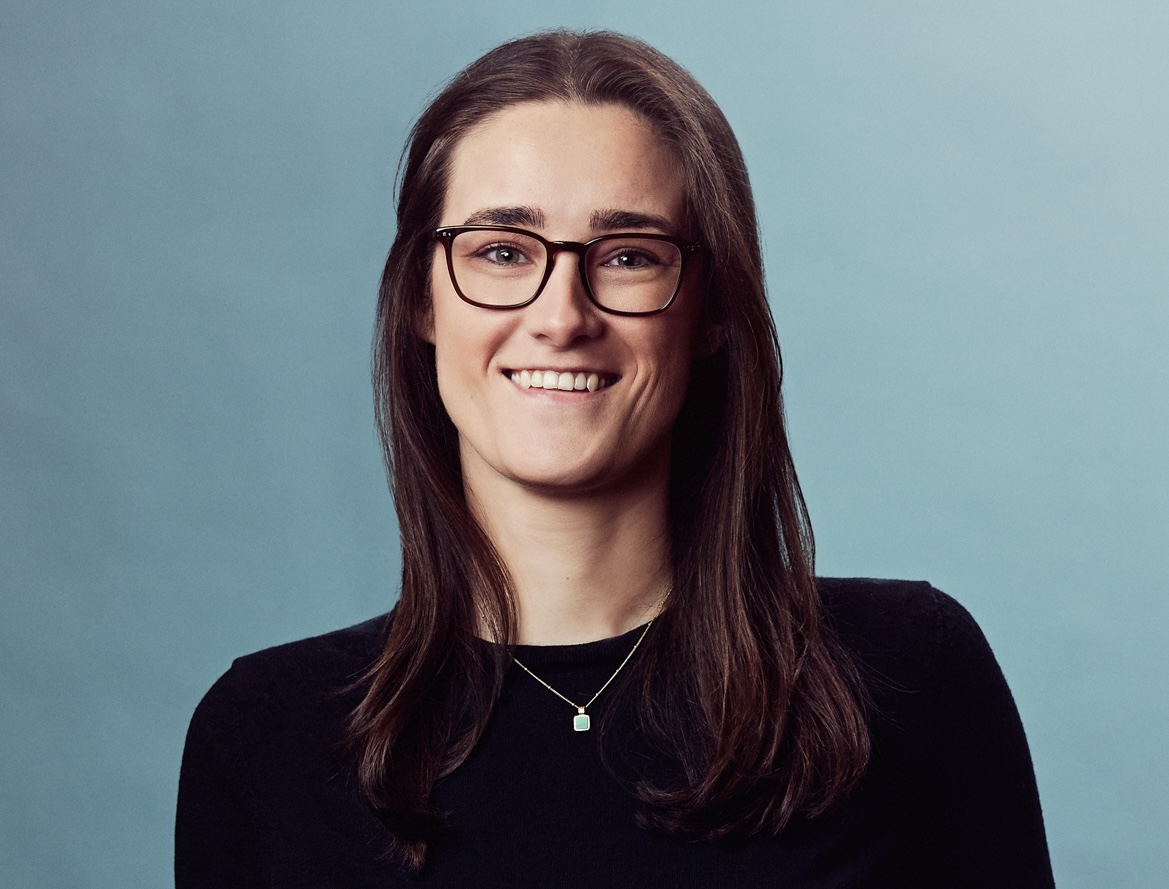

Mayor Zohran Mamdani’s administration isn’t done with its high-profile technology hires. City Hall has quietly hired a senior adviser for technology and innovation working under Deputy Mayor for Operations Julia Kerson who will liaise between her and the Office of Technology and Innovation, as well as the Mayor’s Office of Operations, according to a job posting from last month.
Rashida Richardson, a civil rights attorney who recently served as senior counsel at Mastercard working on privacy and AI, was hired for the senior adviser role, per her LinkedIn profile.
The hiring comes shortly after computer scientist Lisa Gelobter started as the city’s new chief technology officer and head of the Office of Technology and Innovation.
When former Mayor Eric Adams reorganized the city’s technology offices under the new Office of Technology and Innovation in 2022, he streamlined the chief technology officer and the commissioner of the Department of Information Technology and Telecommunications (now OTI) into one role. Eventually that role – occupied for the entirety of the Adams administration by Matt Fraser – reported directly to Adams. Gelobter, who gave her first budget testimony before the City Council on Wednesday, will not report directly to the mayor but to Kerson, according to one of Mamdani’s first executive orders. The mayor’s office has yet to publish an organizational chart of its senior positions and their portfolios beyond that executive order.
While the job description for the senior adviser position doesn’t specifically lay out responsibilities related to AI policymaking, Richardson’s bio suggests the topic would be a fit. Her website describes her as a law and technology policy expert who researches the “social and civil rights implications of artificial intelligence and emerging technology policy interventions.” A source familiar with the position at City Hall said that Richardson will support both Kerson and Gelobter on a range of technology and innovation topics including AI.
“Rashida Richardson’s appointment sends a clear signal that the Mamdani administration understands that the city needs a comprehensive 21st century digital strategy – one that can be earnestly implemented in the era of AI as a lever for equity and democratic participation, not just a tool of efficiency,” Andrew Rasiej, founder of the tech innovation center Civic Hall said, calling her “one of the sharpest minds at the intersection of AI policy, civil rights, and government accountability in the country.” Prior to her role at Mastercard, she worked at the Federal Trade Commission, the White House and the American Civil Liberties Union, among other places.
The staffing up in tech roles comes as debate over artificial intelligence seeps further into the government. The public sector is typically slow to adopt new technologies. But government is already in the artificial intelligence game in New York, even if it’s not particularly well-publicized.
The New York City Department of Transportation, for example, is in the procurement phase for a project that aims to bring machine learning to its efforts to assess roadway conditions and pavement marking, Maxwell Siegel, chief data officer in the department, said at City & State’s Digital New York Summit on Thursday.
The Port Authority of New York and New Jersey (not a city agency, but government nonetheless) just launched a new website for John F. Kennedy International Airport that features agentic AI for trip planning. New websites for the other airports in the region will be online in the coming months, said Keith Armonaitis, lead of the IT Innovation Lab at the Port Authority, said during the panel discussion.
In other words, that one failed chatbot is hardly the beginning and end of AI in New York’s government agencies.