

New York City
The next generation in New York politics is ushering in a new dawn
They’re younger than City & State, but they’re already making an impact.
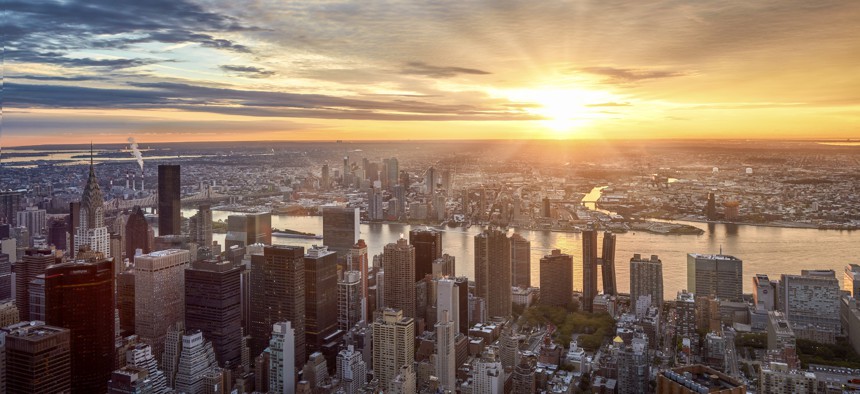
Young people are already making a difference in New York politics. Harald Nachtmann/Getty Images

If we’re asking who’s next, the answer is obvious: teenagers. But they’re not just going to be leading in the future. Some of them are leading right now.
To celebrate City & State’s 20th anniversary, we talked to a few young people who weren’t even born when City & State was founded. These teens are bound to change the political landscape, in one way or another.
Sharada Masson | Age: 19
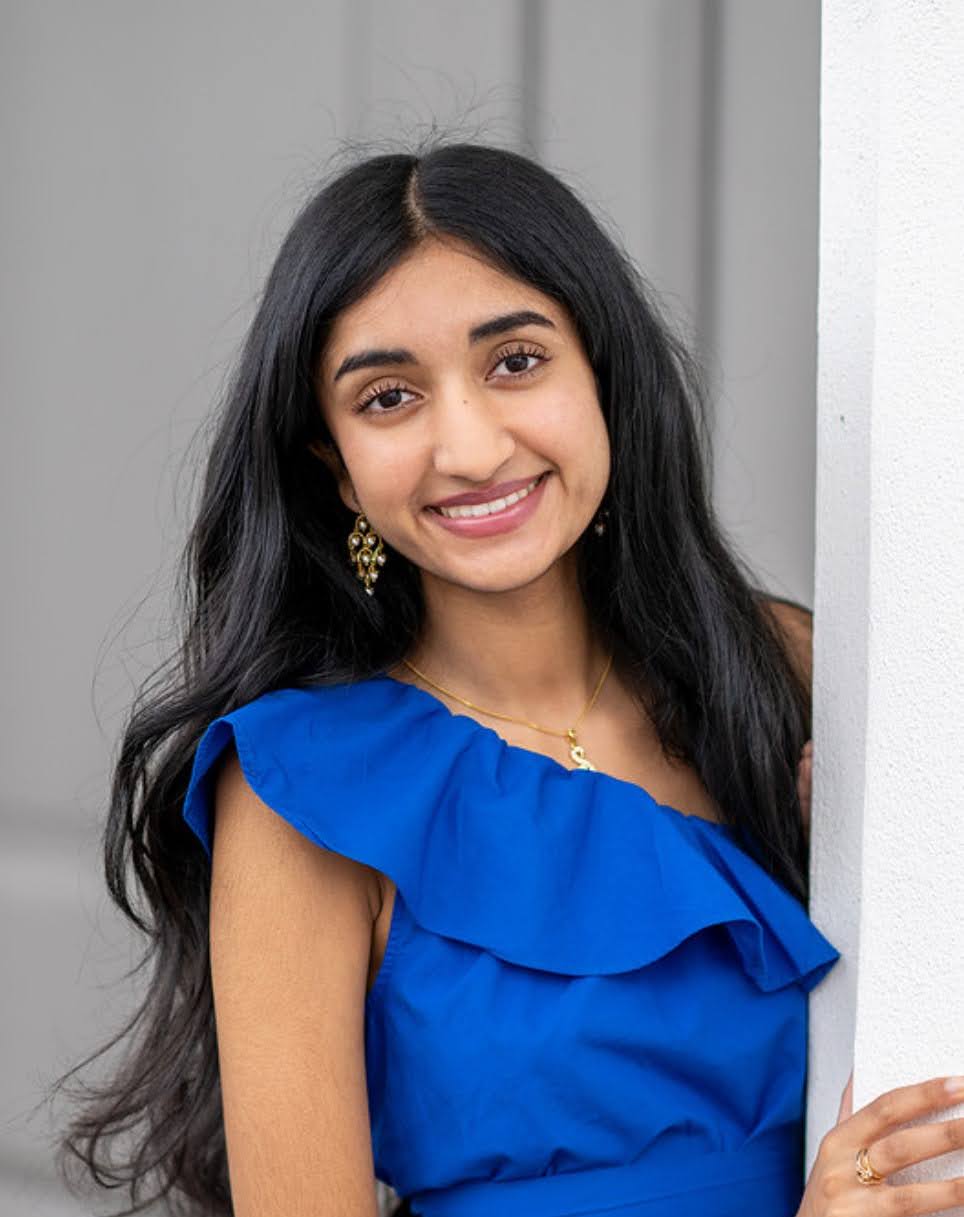
New York University student Sharada Masson is currently a press intern for New York City Council Member Virginia Maloney’s office and the social media director for the Manhattan Young Democrats. She has worked on council campaigns, including Sarah Batchu’s in 2025, where she managed social media and produced videos. These responses have been edited for length and clarity.
Are you optimistic or pessimistic about local and state politics?
I’m optimistic, and I believe that if you choose to involve yourself in this work, you have to be.
Who’s your favorite local politician, and why?
A local politician that I find particularly inspiring is Mary M. Lily. She was among the first women elected to office in New York City (in 1918), shortly after women gained the right to vote, and played a role in expanding women’s political representation at a critical moment in the 20th century.
What is your New York political hot take?
Our New York City public libraries are essential resources, not optional services! We shouldn’t be cutting funding or reducing hours, but instead should be investing in our city’s library system, ensuring branches are fully staffed and open seven days a week.
What advice do you have for politicians about reaching young voters?
Politicians who want to engage with young voters need to meet them where they already are: on social media. For better or for worse, many of my peers rely on TikTok and Instagram as their primary source of political information. Ultimately, young people are responsive to politicians who are in tune with their generation and understand how they consume information.
Wilson Urist | Age: 16
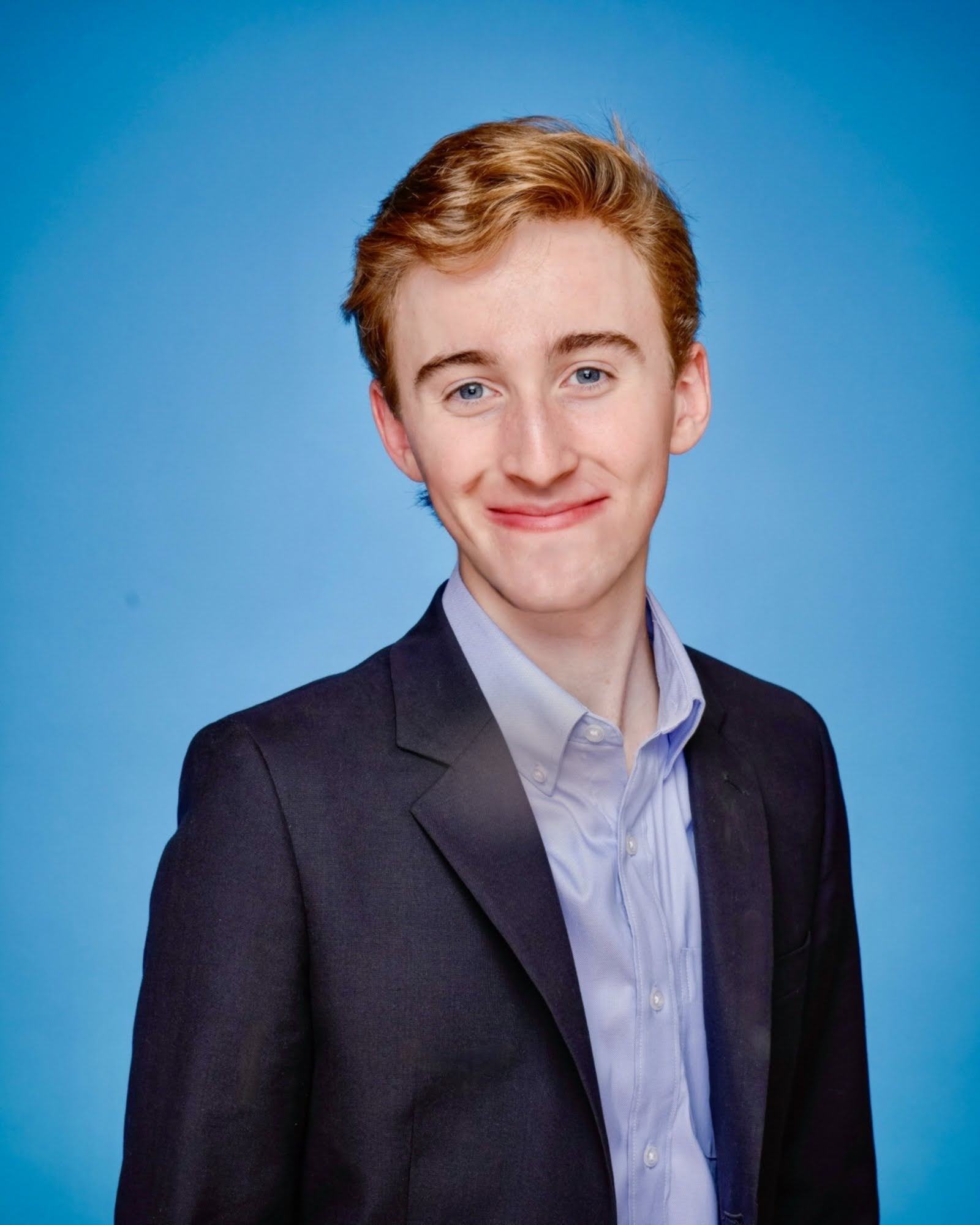
Wilson Urist has been involved in New York politics throughout high school. He is a part of YVote, a youth civic organization, and has worked on different races in Suffolk County, including John Avlon’s congressional campaign as well as state Senate campaigns for Craig Herskowitz and Sarah Anker. He is also the founder of the Grace Church High School Democrats. These responses have been edited for length and clarity.
Are you optimistic or pessimistic about local and state politics?
I am optimistic about the future of our state and local politics. I am particularly inspired by my own congressman, Dan Goldman, who has fought to protect immigrant communities and our democracy. The saying goes that all politics is local, and I believe that politics isn’t just about politicians. Organizations in our city, like Coalition for the Homeless, do crucial social work: feeding New Yorkers every day, job training and helping people stay in their apartments.
What do you think about the Mamdani administration?
Mayor (Zohran) Mamdani’s administration represents a huge shift in energy, getting young voters deeply engaged in our city’s democratic process. So far, Mayor Mamdani’s 2025 campaign and administration has tapped into real economic pains that are felt, not just by New Yorkers, but by Americans all over the country.
What advice do you have for politicians about reaching young voters?
Politicians need to understand that there is deep disillusionment with our country’s political system, especially among young voters. To reach them, candidates must step outside of their comfort zone and really listen to what young voters are telling them.
Wahi Raza | Age: 16
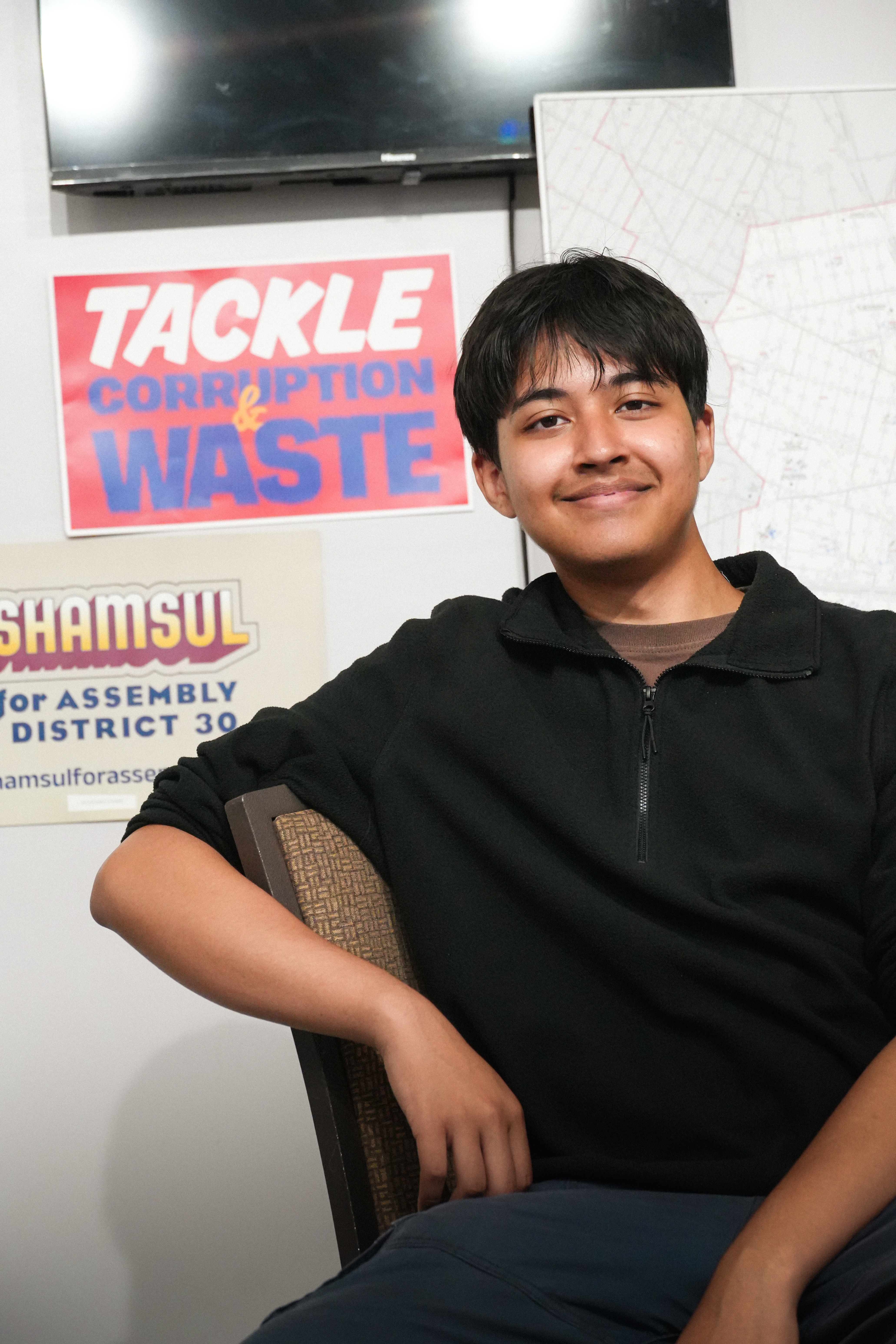
A junior at Bayside High School, Wahi Raza spent last year volunteering for Mamdani’s campaign. His decision to get involved in local politics came after the 2024 elections. “I grew tired of the same politicians,” he said. This election cycle, Raza is getting involved with campaigns for state Legislature and helping candidates he believes “would be stewards for their communities.” These responses have been edited for length and clarity.
Are you optimistic or pessimistic about local and state politics?
I am mostly optimistic about local and state politics. What matters most to me about local politics are issues I can see around my own neighborhood. I see the City Council and state Legislature as venues for people like me to actually fix these issues on a meaningful level.
Who’s your favorite local politician, and why?
Claire Valdez of course, because Claire was there!
What is your New York political hot take?
The No. 7 train is the best train in the city.
What advice do you have for politicians about reaching young voters?
Posting memes on your socials is not enough. Throwing out buzzwords is not enough. We are now at a junction where we need Democrats to focus not just on 2026 or 2028, but further into the future, and deliver us a vision for the future of this country. When just one paycheck can make the difference between paying for rent or for groceries, anything less than an agenda strongly focused on affordability won’t cut it for us.
Hana Ira | Age: 17
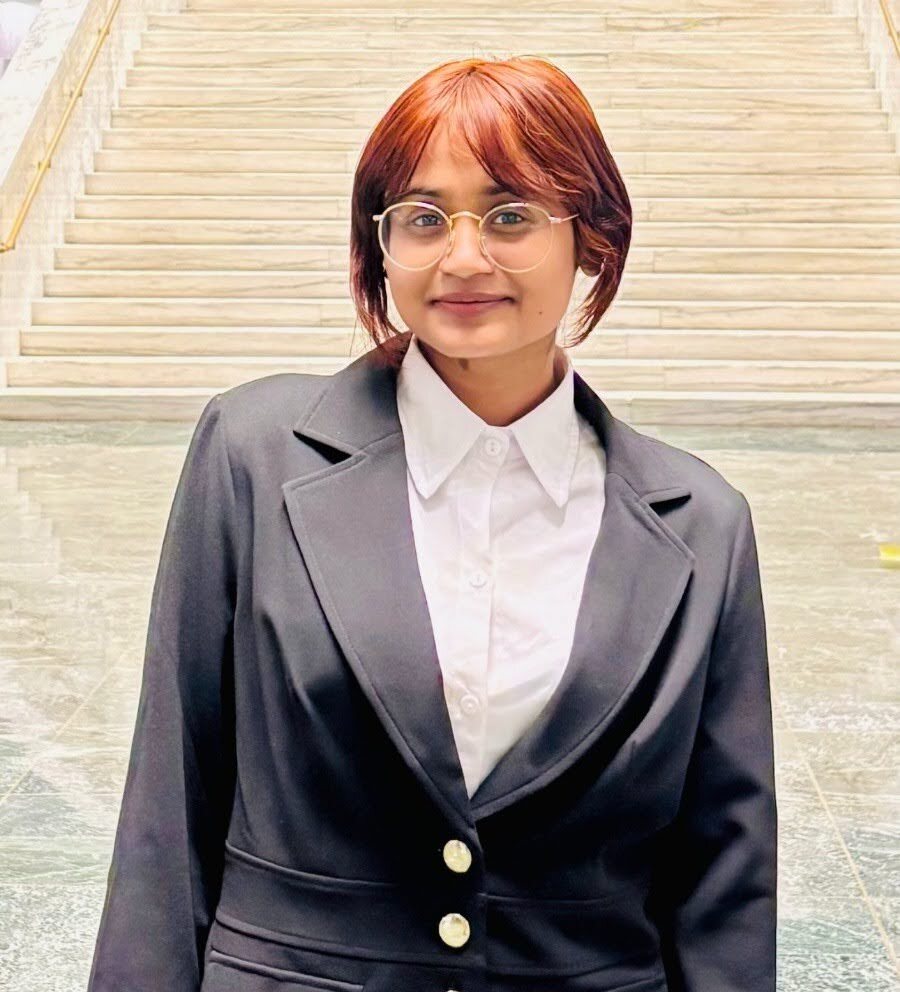
As a high school sophomore, Hana Ira joined Teen Activist Project, an initiative created by the New York Civil Liberties Union. They were also previously a student fellow at YVote and now serve as a co-chair for the civic engagement subcommittee for the NYC Youth Agenda, a youth coalition that focuses on policy change. At William Cullen Bryant High School, they are a part of student government and restorative justice initiatives. These responses have been edited for length and clarity.
Are you optimistic or pessimistic about local and state politics?
Cautiously optimistic, but also critical of how often young people’s voices are not truly centered in political decision-making. While there’s a visible rise in youth activism and engagement, our perspectives are often treated as symbolic rather than substantive. I believe that as our collective voice grows stronger, it will become harder for institutions to ignore or sideline us.
What do you think about the Mamdani administration?
It represents an important push toward more progressive, people-centered governance, particularly around issues like housing and economic justice. I think the challenge lies in translating those values into policy at scale, especially within systems that often resist change. Overall, I see it as a meaningful step forward, but one that still has to navigate the realities of political opposition and implementation.
Who’s your favorite local politician, and why?
Alexandria Ocasio-Cortez, because she has been deeply inspiring to me as a woman of color pursuing a future in public service. Seeing someone who shares similar lived experiences navigate political spaces with confidence and authenticity has made that path feel more possible for me. She shows that leadership can be both principled and rooted in lived experience.
What is your New York political hot take?
New York City is often more progressive in identity than in actual policy. There’s a strong culture of branding the city as liberal and forward-thinking, but when it comes to structural change, especially around housing, policing, and education, progress is often slower and more moderate than people assume.