

Opinion
Opinion: New York must protect cancer patients’ access to biomarker testing
Gov. Kathy Hochul’s Executive Budget would weaken the evidence-based standards in New York’s biomarker testing law, putting patient access at risk.
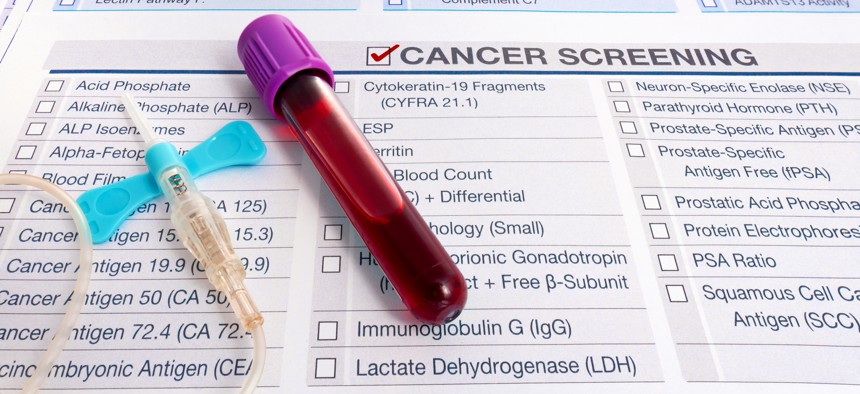
In 2023, New York passed a law ensuring that cancer patients can access biomarker testing. angelp via Getty Images


When someone is diagnosed with cancer, time matters. Patients and their families are often forced to make urgent, life-altering decisions while navigating fear, uncertainty and a complex health care system. In those moments, access to the right diagnostic tools can make an extraordinary difference.
That’s why New York took an important step forward when we passed our biomarker testing law, ensuring patients can access the precision diagnostics that guide modern cancer treatment. The law requires all state-regulated health plans, including Medicaid, to cover biomarker testing when a test meets established scientific standards such as Food & Drug Administration approvals, Centers for Medicare & Medicaid Services national coverage determinations, Medicare administrative contractor local coverage determinations, nationally recognized clinical guidelines or peer-reviewed evidence.
For patients, this law was a major victory. Too often in the past, individuals faced inconsistent insurance coverage and delays for tests that help physicians determine the most effective treatment. Across the country, states are recognizing the importance of precision diagnostics. Nearly half the nation has adopted the national model biomarker testing legislation, with states such as Mississippi joining the list just this year.
But New York’s progress is now at risk.
Gov. Kathy Hochul’s Executive Budget includes a proposal that would weaken the evidence-based standards in New York’s biomarker testing law, putting patient access at risk. If enacted, New York would become the only state in the country to roll back the scientific criteria that ensure access to these tests.
For New Yorkers, the consequences could be profound. The result would be an unacceptable two-tiered system of care where some patients can receive precision diagnostics while others cannot. While the state Senate’s One-House Budget preserves these standards, the Assembly’s proposal takes a different approach. As budget negotiations continue, we must ensure the final budget fully protects these patient safeguards.
At the same time, protecting access to biomarker testing requires more than just preserving the statute. It requires strong oversight to make sure the law works for patients in practice. Biomarker testing provides physicians with critical information about which treatments are most likely to work. In cancers such as lung, breast, and colorectal, the right test can mean the difference between starting a targeted therapy immediately or enduring months of ineffective treatment.
For many communities, including those we represent in New York City and upstate, access to these diagnostics is especially important. Diverse and medically underserved populations already face disparities in early detection and advanced cancer care. Precision medicine should help close those gaps, not widen them.
Yet even with the law on the books, concerns persist about unclear insurer policies, gaps in coverage and denials that conflict with the statute’s intent.
To fulfill the promise of this law, New York must remain vigilant. Regulators should issue clear guidance to insurers, improve transparency around coverage policies and enforce consequences when plans fail to comply. Patients and providers must also understand their rights so they can challenge improper denials.
Other states are already taking proactive steps. Medicaid programs across the country are updating biomarker testing fee schedules, and insurance regulators in states including Arizona, Colorado, Georgia, Louisiana, Nevada, New Jersey and Oklahoma have issued bulletins or rules reinforcing compliance with their biomarker coverage laws. New York should be just as proactive.
Strong enforcement is also essential to addressing health disparities. Low-income patients and communities of color often face the greatest barriers to advanced diagnostics and precision medicine. Ensuring consistent access to biomarker testing is one way we can help close those gaps and improve outcomes.
New York led the way by expanding access to precision medicine through our biomarker testing law. Now we must ensure that promise is fully realized. That means preserving the law’s evidence-based standards and holding all state-regulated insurers, including Medicaid, accountable for full compliance.
For patients and families facing cancer, access to the right test at the right time can change everything. New York cannot afford to go backward.
Roxanne Persaud is a state senator representing the 19th Senate District in Brooklyn and Queens. Pamela Hunter is an Assembly member representing the 128th Assembly District in Syracuse.
NEXT STORY: Opinion: How we save our Black communities